
Gratis 
ZIL-130G truck 1:87
Thingiverse
This collection brings together 3D models connected to the ZiL-130 truck: full vehicle bodies, separate wheels and hubs, and small keychain versions. The files come from different platforms, which makes it easier to compare how authors approach the same vehicle before starting a 3D printing project. It is useful if you are building a line of Soviet-era vehicles or need a single part to match a model you already have. Polyzon does not confirm whether models are free, their price, license, official status, affiliation, safety or fitness. Check the current terms at the source.
Il testo di questa raccolta è in inglese; la ricerca funziona in qualsiasi lingua.
 Una raccolta di Polyzon · 48 modelli da 6 siti
Polyzon compone questa raccolta a partire dai risultati di ricerca dei siti collegati. I doppioni e i modelli senza anteprima vengono rimossi, le corrispondenze deboli finiscono in fondo e il resto mantiene l’ordine dei risultati. I modelli appartengono ai rispettivi autori: verifica le condizioni sulla pagina di ciascun modello.
Criteri di selezione a cura della redazione di Polyzon · Testo aggiornato: 10/10/2026
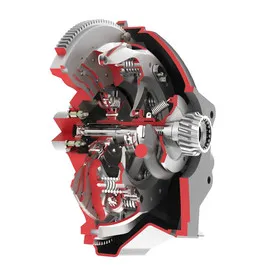


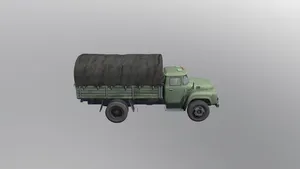
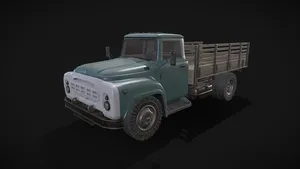


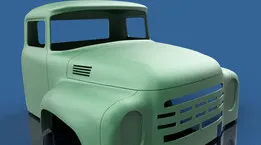
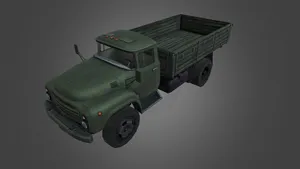
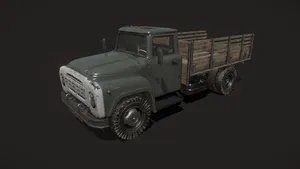

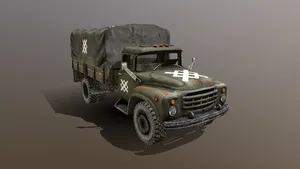

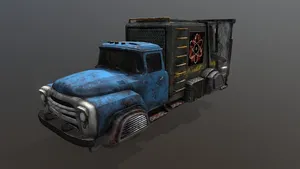


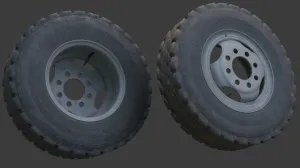
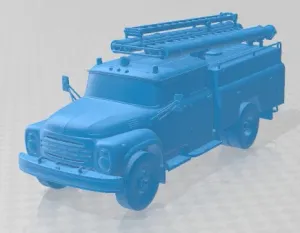
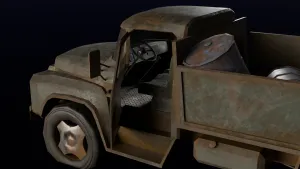
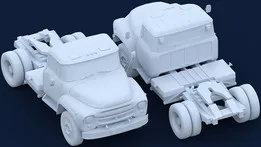


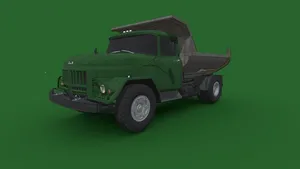
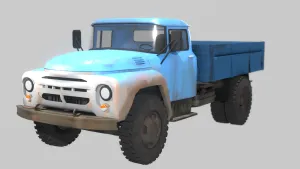


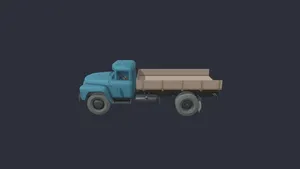

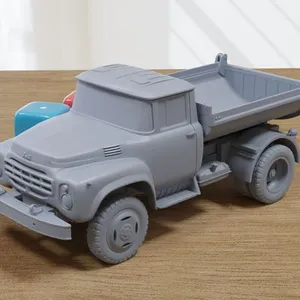

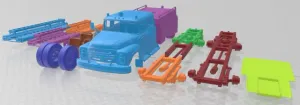
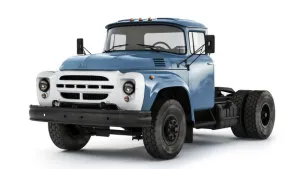
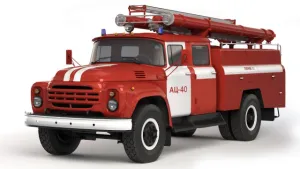
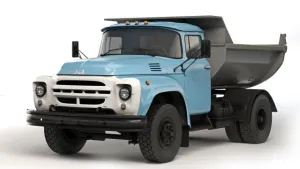
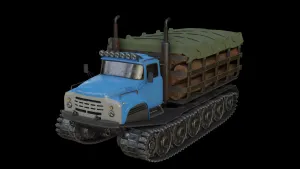
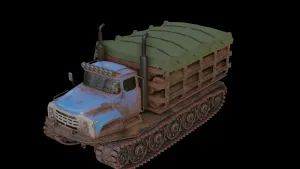
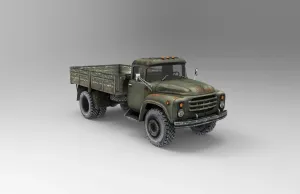


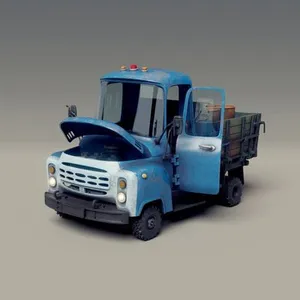
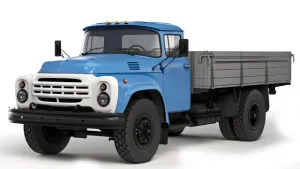
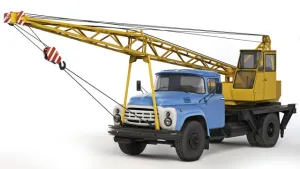
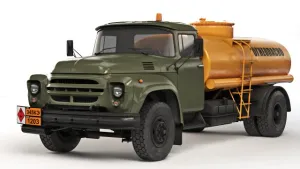
The models differ mainly in how much of the truck they cover. Some are complete bodies with a cab, bed and chassis, while others are single components such as a wheel, a hub or a disk that you print and combine with existing parts. Small keychain versions follow a different logic: they are simplified, often printed as one piece, and are meant to be carried rather than displayed in a lineup.
When choosing a model, open the author's page and read what is listed there: the scale, the number of separate parts, whether assembly is required, and whether supports are needed for the overhangs. Look at the material and settings the author names, and at photos of real prints rather than renders, since they show how the surfaces and thin details come out. For multi-part builds, check how the pieces join and whether the wall thickness survives scaling.
You can narrow the search by swapping terms. Instead of the full designation, try the short form of the name, or add words describing the body type, such as tanker, dump truck or tractor unit. Related Soviet truck families and neighbouring model names often appear in the same results, as do generic part words like wheel, hub, bumper or mirror. Combining a vehicle name with a scale or a part type usually gives a shorter, more focused list.


Il catalogo completo dei temi, dalla casa alla lavorazione CNC, con ricerca su tutti i siti collegati.

