無料 
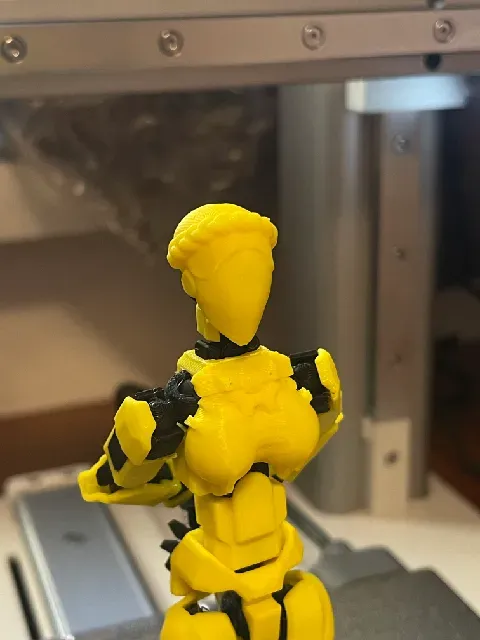
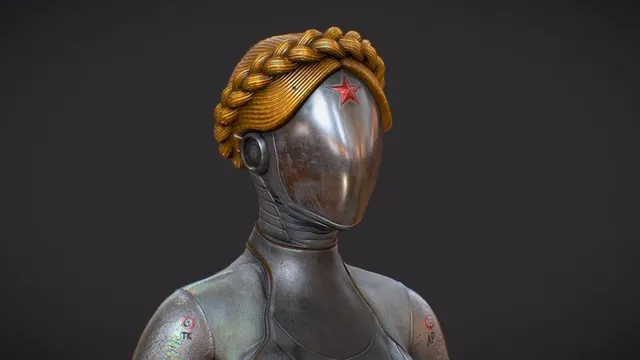
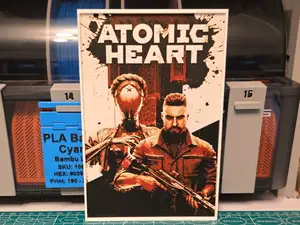
《Atomic heart》Ballet dancing female robot
Thingiverse
This collection gathers STL files inspired by the retro-futuristic setting, including robotic figures, mechanical enemies, weapons, and drones for your 3D printer. You will find models ranging from humanoid machines to aircraft and handheld props. It is a useful starting point when you want to compare different approaches to the same character or object before starting a print. Polyzon does not confirm whether models are free, their price, license, official status, affiliation, safety or fitness. Check the current terms at the source.
このコレクションの本文は英語で書かれています。検索自体はどの言語でも使えます。
 Polyzonのコレクション · モデル47件 6サイトから収集
このコレクションは、Polyzonが対応サイトの検索結果をもとに作成しています。重複やプレビューのないモデルは除外し、関連性の低いものは後ろに回し、それ以外は検索結果の順に並べています。モデルの権利は各作者にあります。利用条件は各モデルのページでご確認ください。
選定基準:Polyzon編集部 · 本文の更新日:2026年10月9日

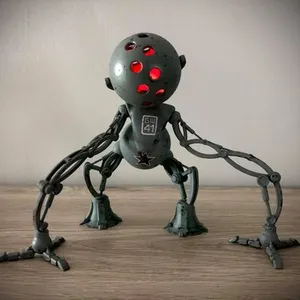
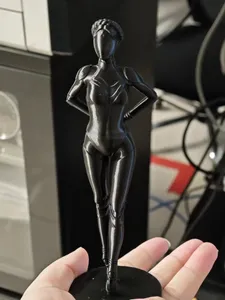


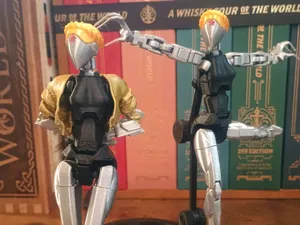


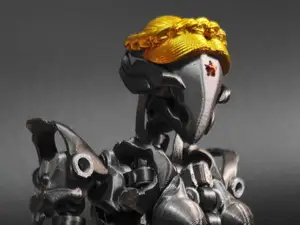


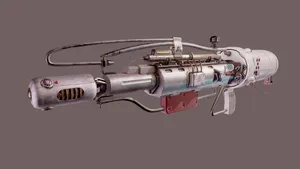


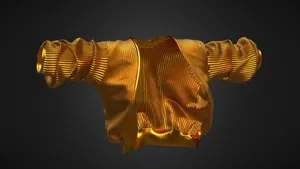
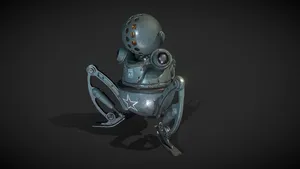

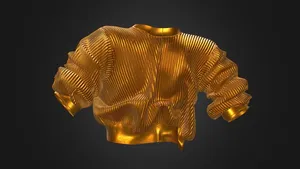
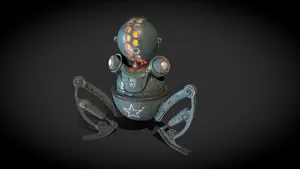


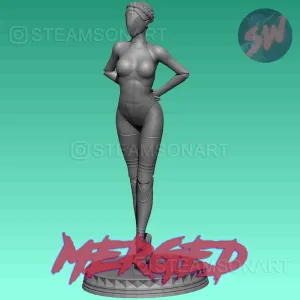

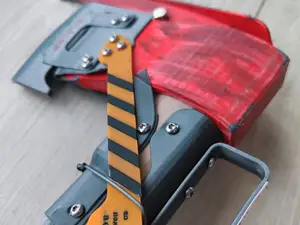



Several groups show up regularly. Humanoid robots often come as multipart figures with smooth surfaces, while bulky mechanical units tend to have heavier frames and more segmented plating. Weapons and small props are usually more compact, and aerial machines or vehicles introduce larger silhouettes with different proportions.
Before starting a build, look at the author's page for overall dimensions and scale to make sure the model matches your build volume. Check whether the files are split into several parts, if pegs or glue are needed for assembly, and whether the author recommends supports. Photos of real prints help you judge level of detail and how the overhangs behave in actual filament or resin.
If you are looking for a specific unit, try synonyms from the setting such as ballerina automaton, combat drone, or vending machine character. You can also combine the game title with terms like mask, figure, or gun to narrow the results. Related topics include retro sci-fi robots, Soviet-inspired machinery, and articulated dummy figures.


暮らし・日用品からCNCまで、すべてのテーマをそろえたカタログ。対応サイトを横断して検索できます。

