
無料 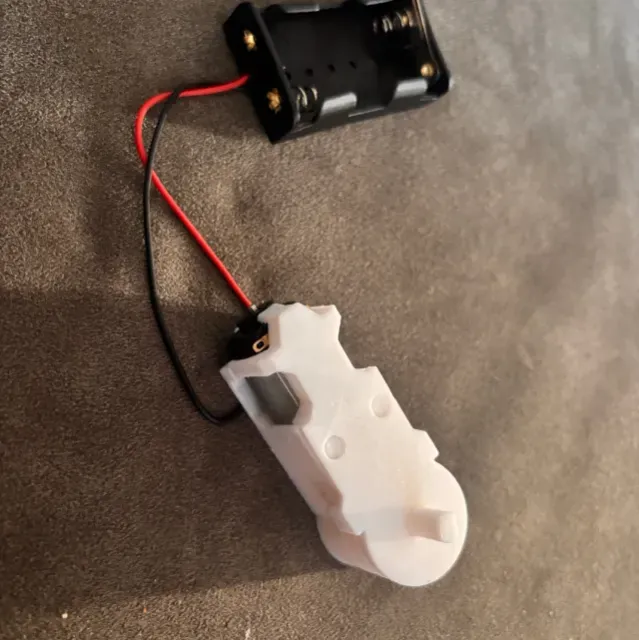
Gear box for DC motor
Creality Cloud
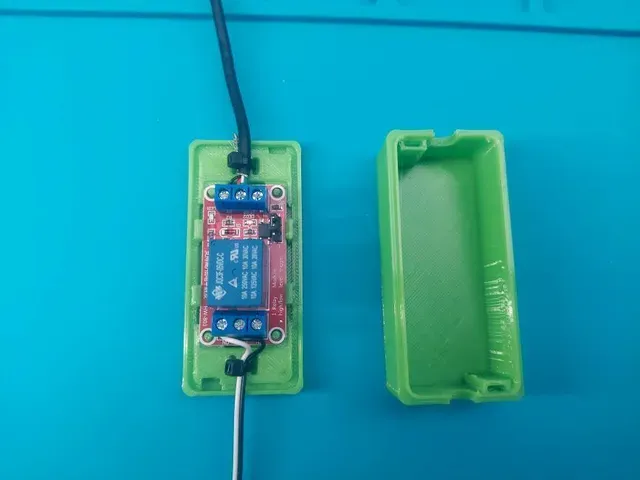
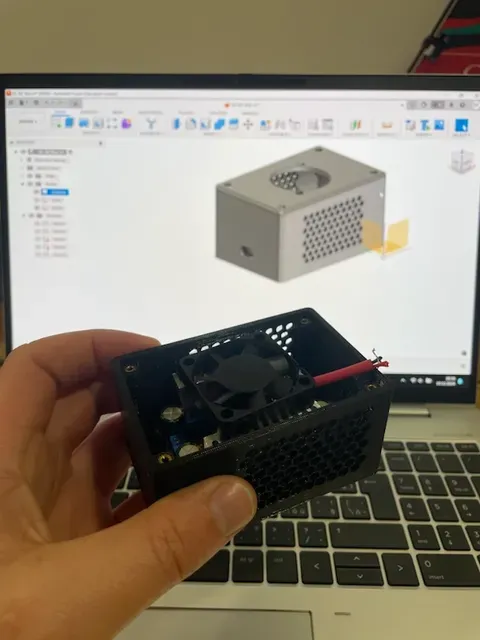
This collection gathers 3D models of boxes built around DC hardware: converter modules, motor and controller assemblies, relay boards, power supplies and small single-board setups. Most of them are simple two-part shells, so they are a common first project for someone getting into 3D printing. The models differ mainly in which module they are shaped for and how the wiring leaves the case. Polyzon does not confirm whether models are free, their price, license, official status, affiliation, safety or fitness. Check the current terms at the source.
このコレクションの本文は英語で書かれています。検索自体はどの言語でも使えます。
 Polyzonのコレクション · モデル45件 8サイトから収集
このコレクションは、Polyzonが対応サイトの検索結果をもとに作成しています。重複やプレビューのないモデルは除外し、関連性の低いものは後ろに回し、それ以外は検索結果の順に並べています。モデルの権利は各作者にあります。利用条件は各モデルのページでご確認ください。
選定基準:Polyzon編集部 · 本文の更新日:2026年10月13日




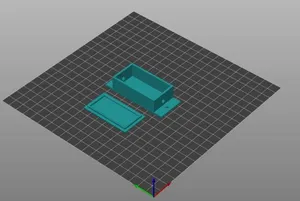

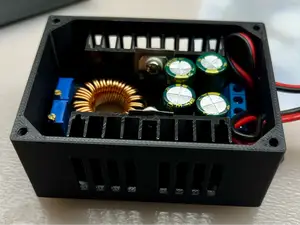


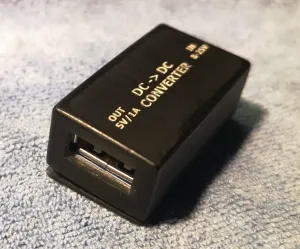
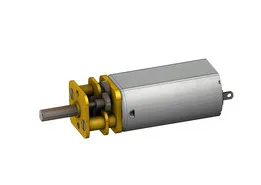


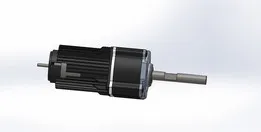


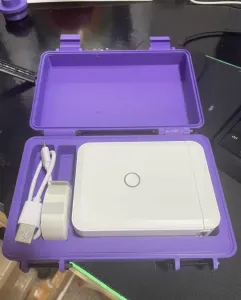
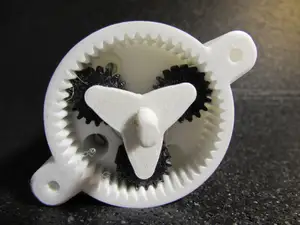


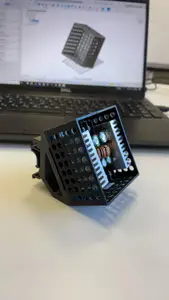

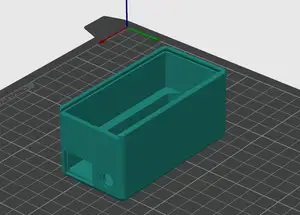



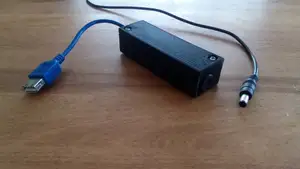
The largest group covers DC-DC step-up and step-down converter modules, from small adjustable boards to larger high-power units. A second group wraps around motors and motor controllers, where the box often has to leave room for a shaft, a connector or a heat sink. There are also housings for relay boards and bare circuit boards, cases for bench power supplies and digitally controlled converters, and shells drawn around one particular board such as a single-board computer or a camera module.
Before printing, open the model page and read what the author lists: the internal dimensions, the number of parts, whether the lid is screwed, snapped or slid on, and whether supports are needed for overhangs. Check the wall thickness and the openings for cables, switches and ventilation, since a converter that warms up needs airflow. The material and settings the author used are worth comparing with your own, and photos of real prints show how the ports and mounting holes actually line up.
If the results are too narrow, try the wording used for the hardware instead of the box: converter, buck, boost, step-down, step-up, regulator, motor driver, relay module. Adding a use case such as bench supply, robot, or panel mount brings up different shapes, and terms like enclosure, case, housing or shell return models that a search for box may miss. Related topics include DIN rail mounts, cable glands and ventilation grilles, which are often published as separate parts that fit the same builds.


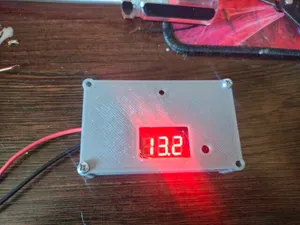
暮らし・日用品からCNCまで、すべてのテーマをそろえたカタログ。対応サイトを横断して検索できます。