
無料 
Spoonriders
Thingiverse
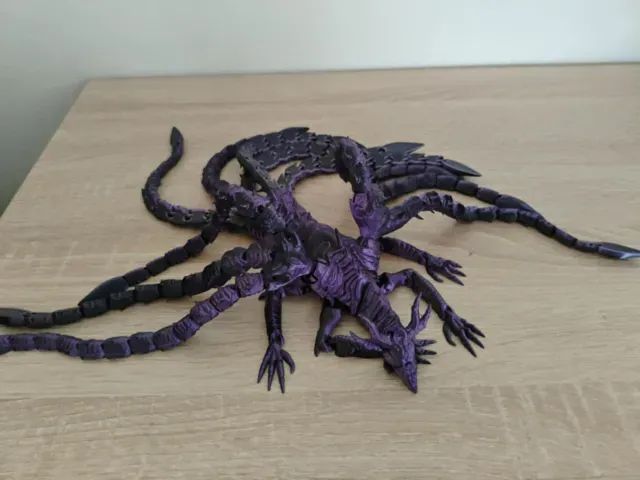
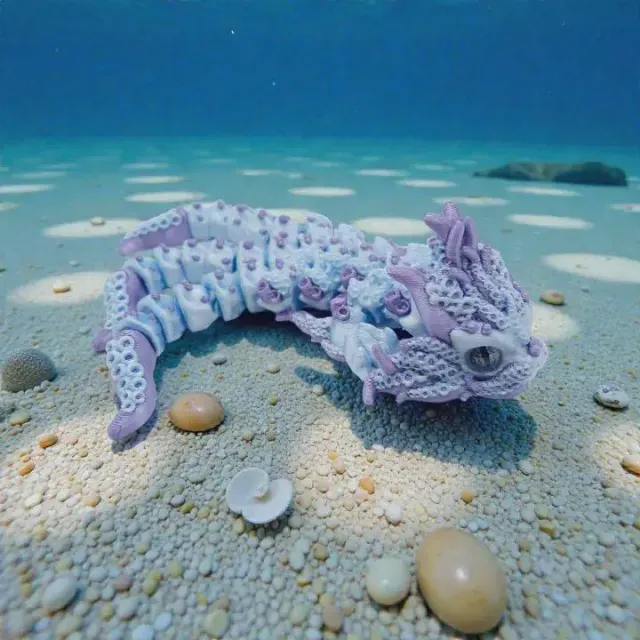
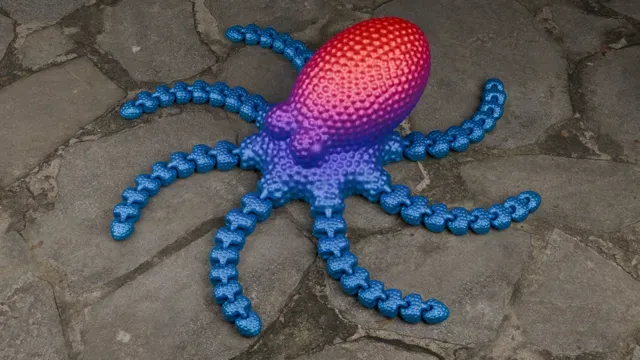
This collection gathers 3D models that mix dragon and octopus ideas: articulated dragons, small hybrid hatchlings, krakens and flexible creatures. The files are meant for 3D printing, and most are shared as STL or similar mesh formats. It is a useful starting point if you want a creature that prints as one piece or as a small assembly. Polyzon does not confirm whether models are free, their price, license, official status, affiliation, safety or fitness. Check the current terms at the source.
このコレクションの本文は英語で書かれています。検索自体はどの言語でも使えます。
 Polyzonのコレクション · モデル48件 3サイトから収集
このコレクションは、Polyzonが対応サイトの検索結果をもとに作成しています。重複やプレビューのないモデルは除外し、関連性の低いものは後ろに回し、それ以外は検索結果の順に並べています。モデルの権利は各作者にあります。利用条件は各モデルのページでご確認ください。
選定基準:Polyzon編集部 · 本文の更新日:2026年10月15日

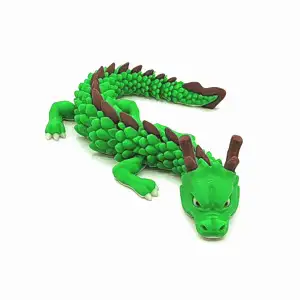

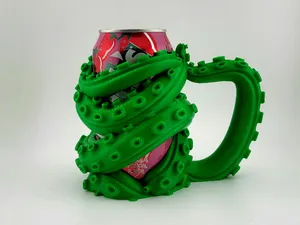
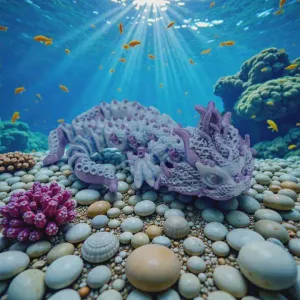

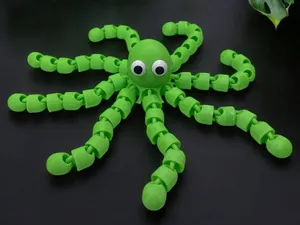
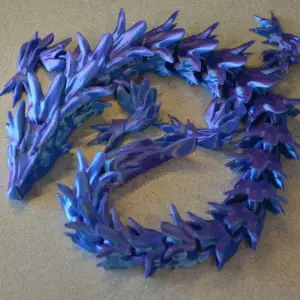

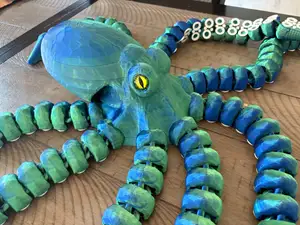
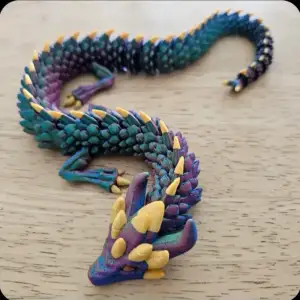

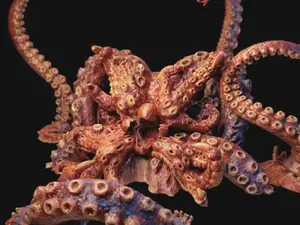
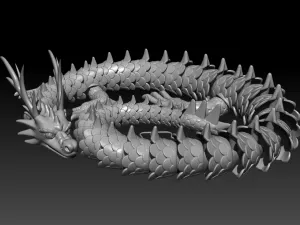

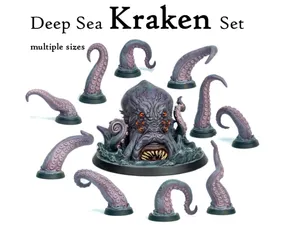
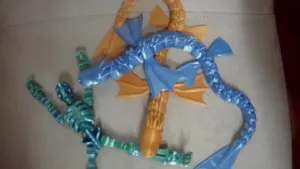

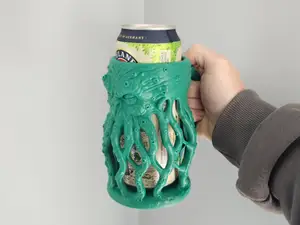
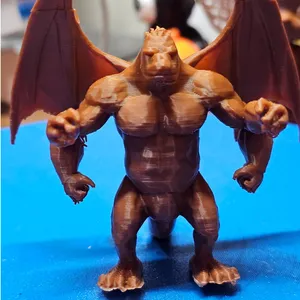

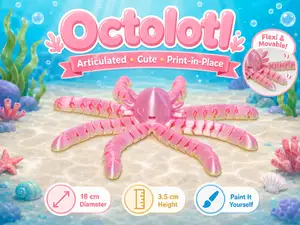
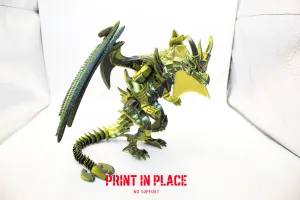

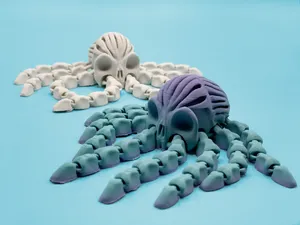
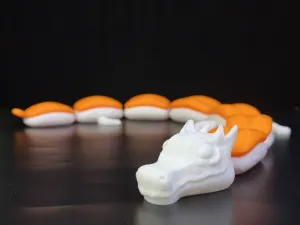

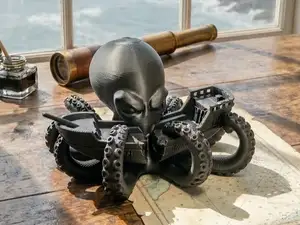
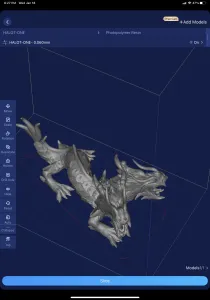

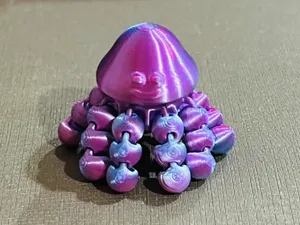
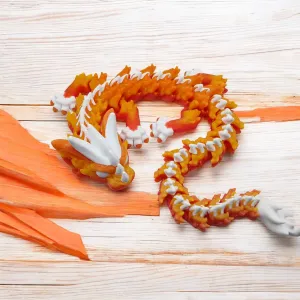

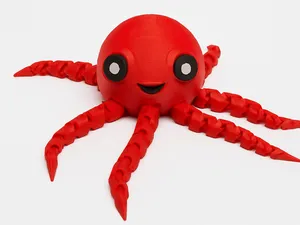

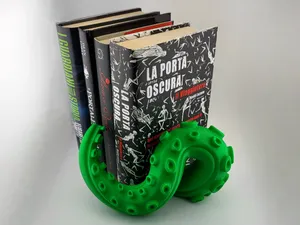
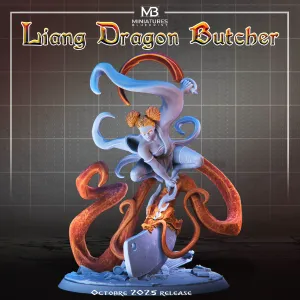

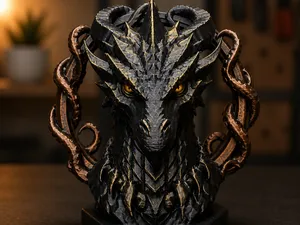
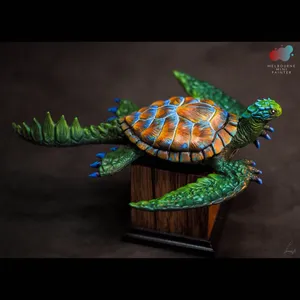

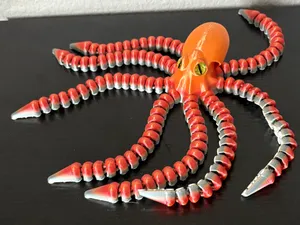
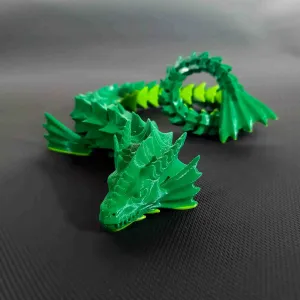
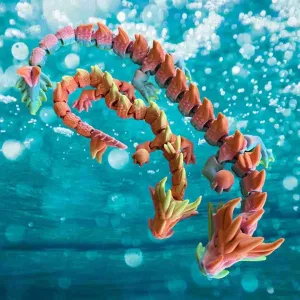
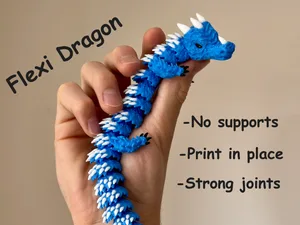
The range runs from long segmented dragons with moving joints to squat baby octopus-dragon figures and larger kraken or squid builds. Some are single-piece print-in-place designs where the joints come off the plate already moving; others are split into several parts that you glue or slot together. Crossover figures take a recognizable character and rebuild it with tentacles or a dragon silhouette, so the shape and part count vary a lot between authors.
Before printing, open the model page and read what the author lists: overall size and scale, number of parts, whether supports are needed, and the material and settings they used. Check the photos of real prints rather than the render, and look at how thin the tentacles, fins or joint gaps are, since those areas decide how the model behaves after printing. If you scale a print-in-place model up or down, the clearances change with it, so test a small version first.
To widen the search, try related terms such as articulated dragon, flexi octopus, kraken, sea serpent, tentacle creature or eldritch monster, and combine them with words like print-in-place, multipart or miniature. Browsing a designer's other creatures often turns up matching styles and similar joint systems. If you want a specific look, add a style word such as oriental, cute, realistic or chibi to narrow the results.


暮らし・日用品からCNCまで、すべてのテーマをそろえたカタログ。対応サイトを横断して検索できます。