
無料 
strainwave gearbox free 1:30 ø40mm
Thingiverse
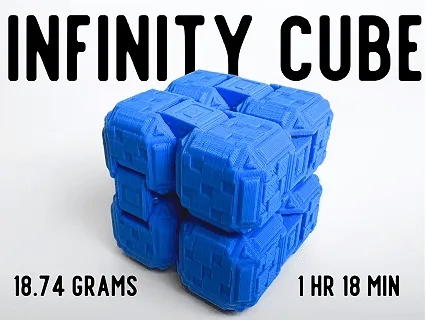
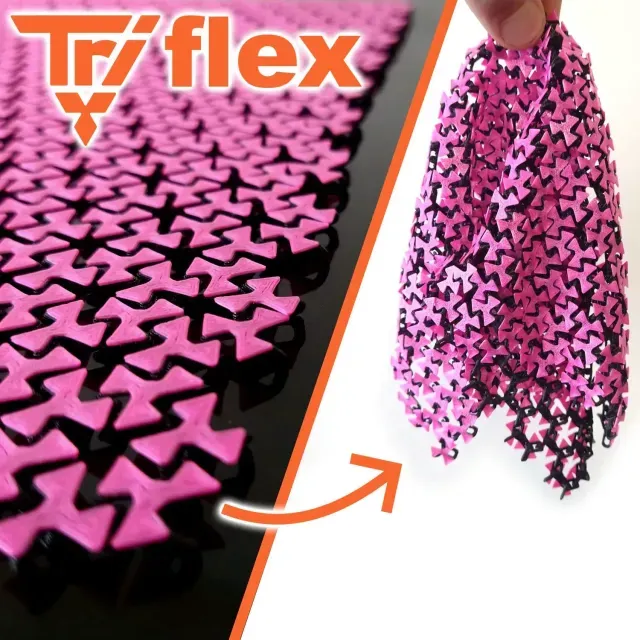
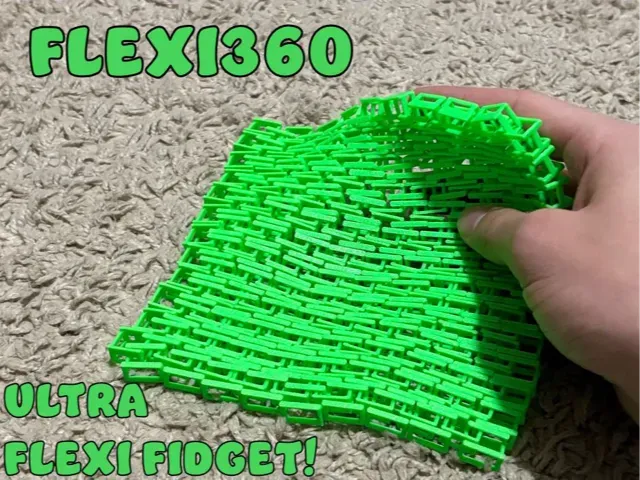
This collection gathers flexible 3D models that bend, fold or move after printing: print-in-place fidgets, fabric-like sheets, flexi creatures and mechanical gearboxes. It helps you compare how each design achieves movement, from thin living hinges to sliding joints. Every entry leads to the author's page, where the STL files and print details are listed. Polyzon does not confirm whether models are free, their price, license, official status, affiliation, safety or fitness. Check the current terms at the source.
このコレクションの本文は英語で書かれています。検索自体はどの言語でも使えます。
 Polyzonのコレクション · モデル44件 3サイトから収集
このコレクションは、Polyzonが対応サイトの検索結果をもとに作成しています。重複やプレビューのないモデルは除外し、関連性の低いものは後ろに回し、それ以外は検索結果の順に並べています。モデルの権利は各作者にあります。利用条件は各モデルのページでご確認ください。
選定基準:Polyzon編集部 · 本文の更新日:2026年10月15日

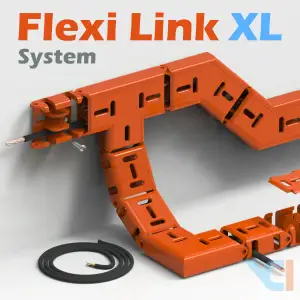
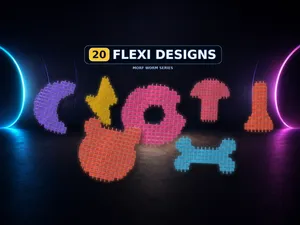
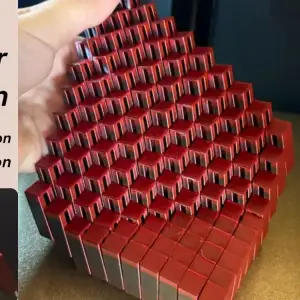

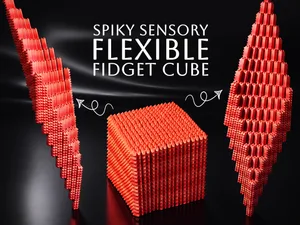
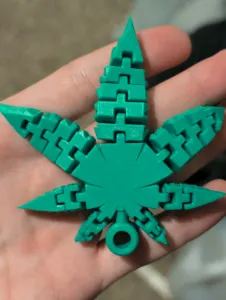

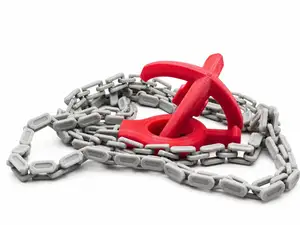
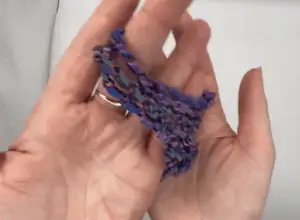
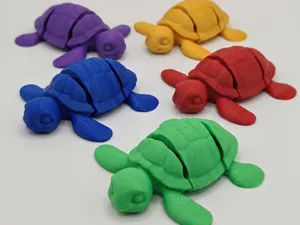
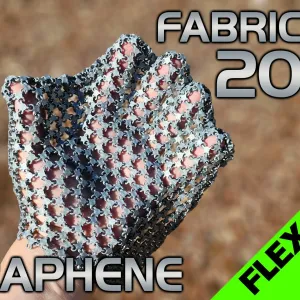

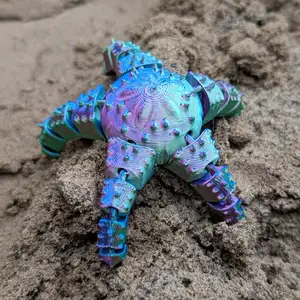
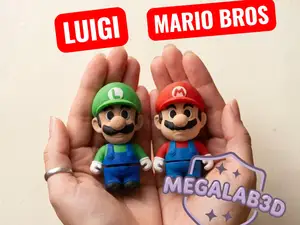
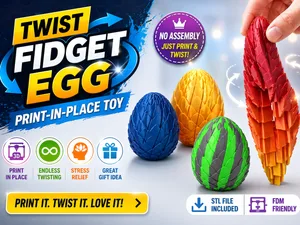
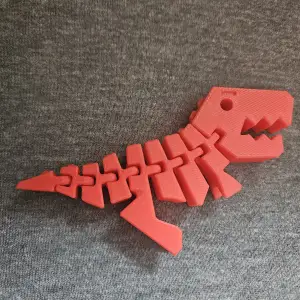
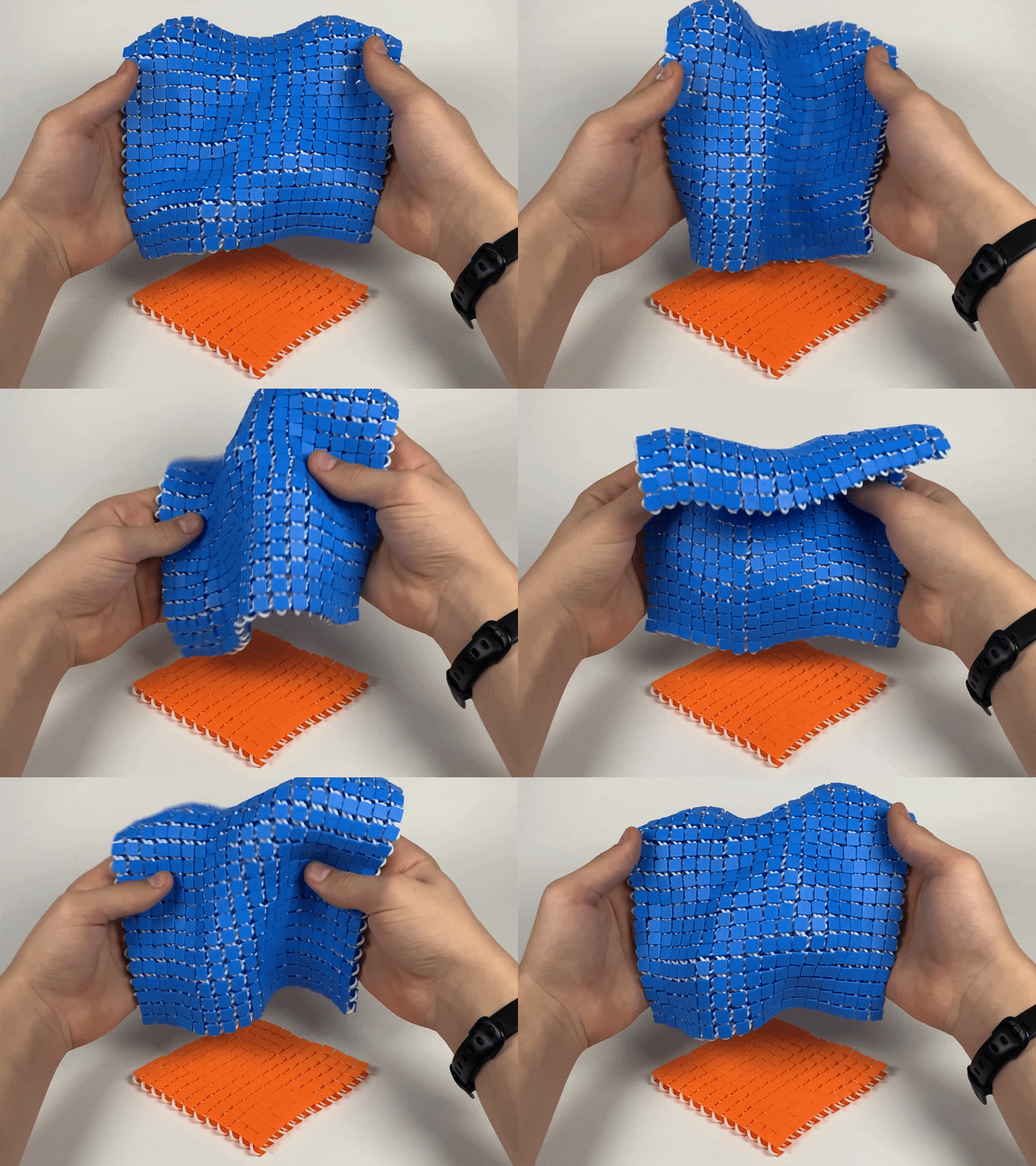
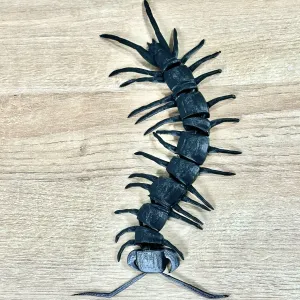
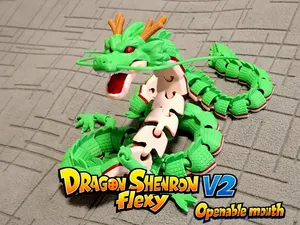
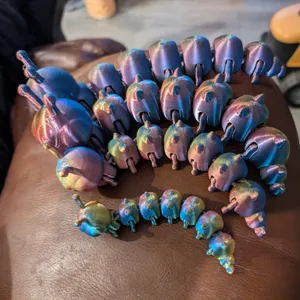
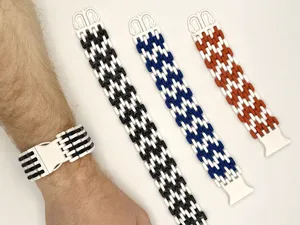
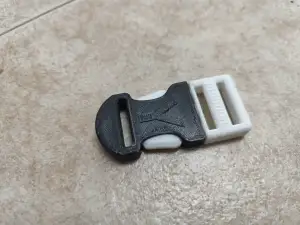
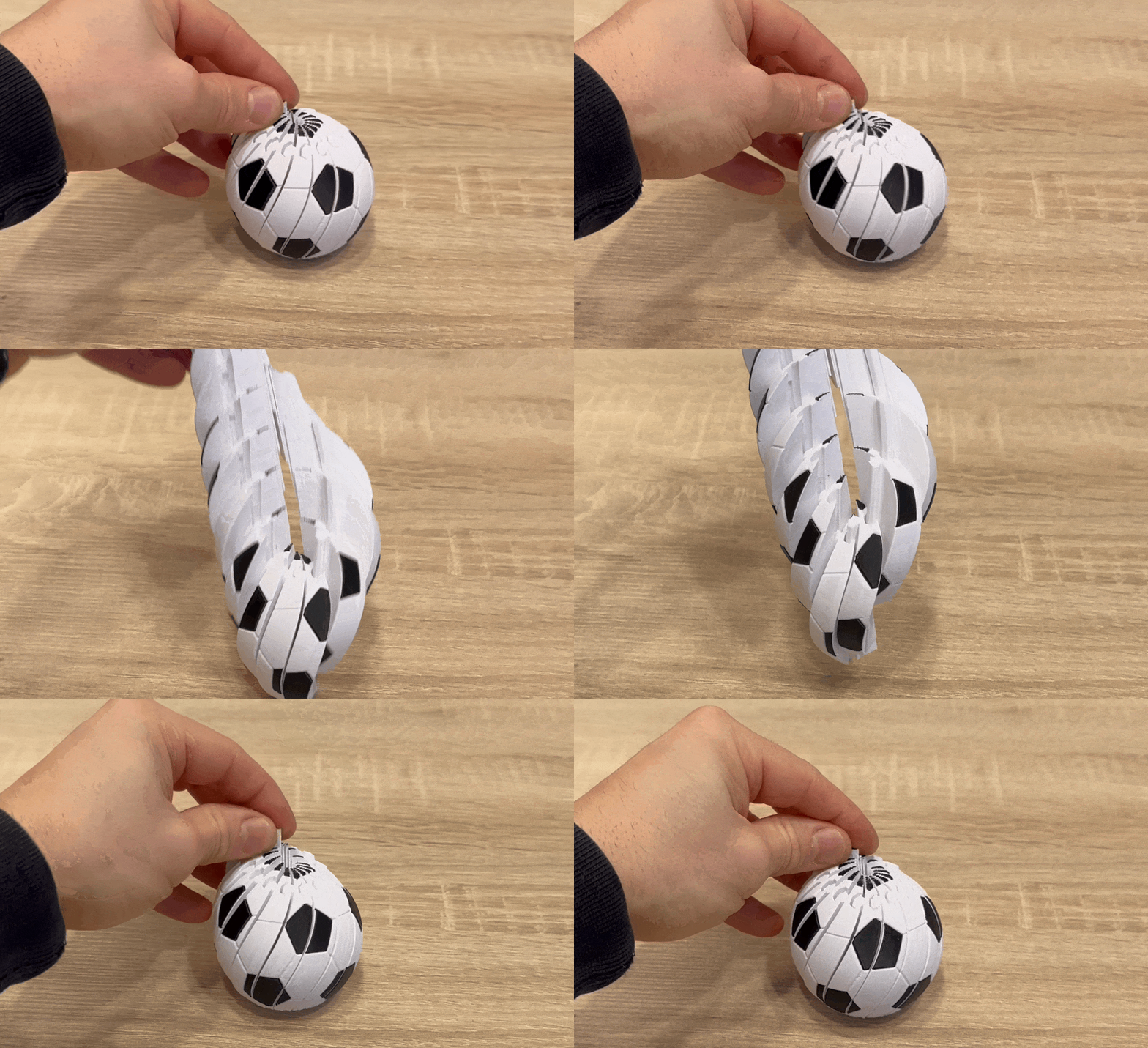
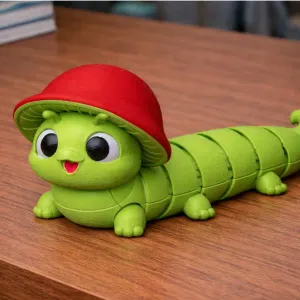
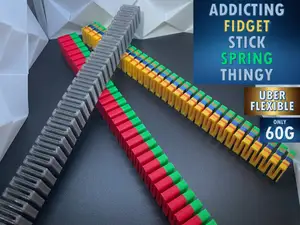
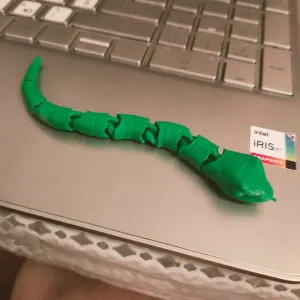
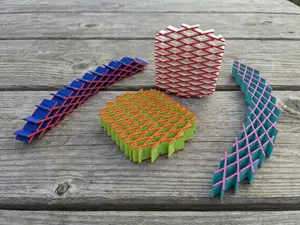
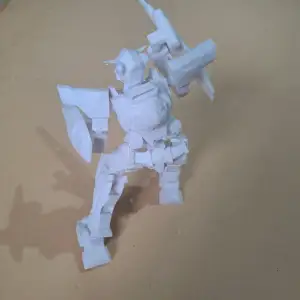
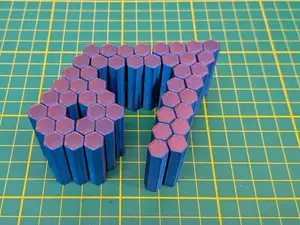
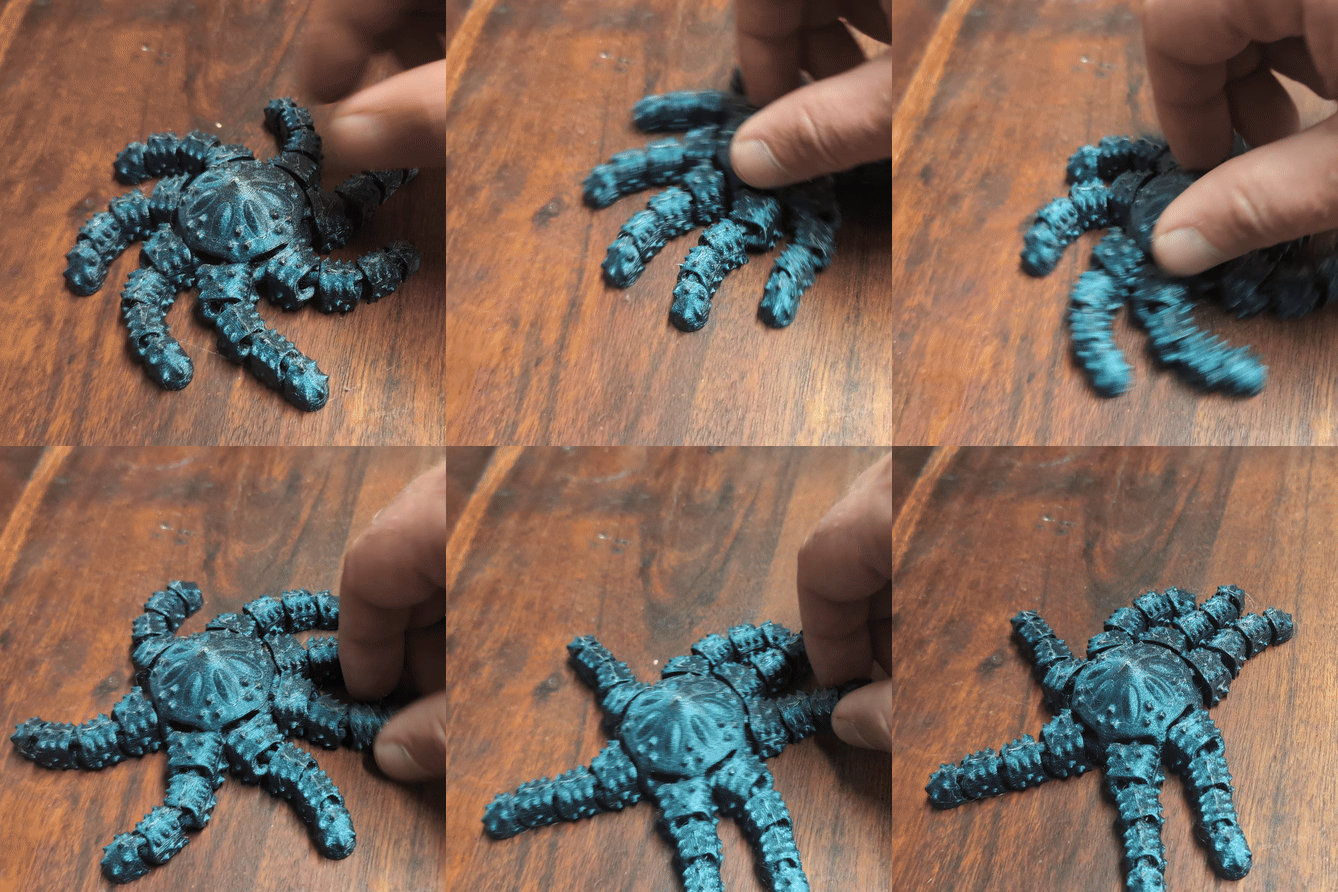
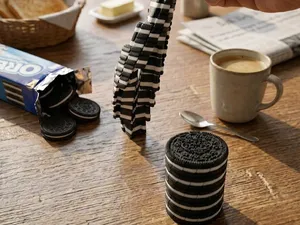
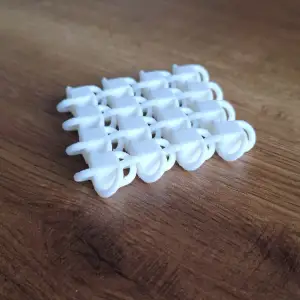
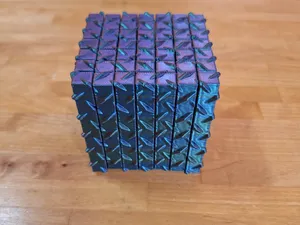
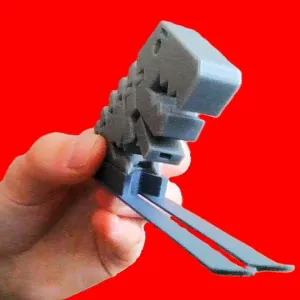
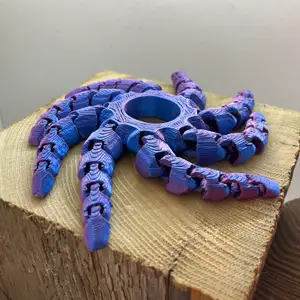
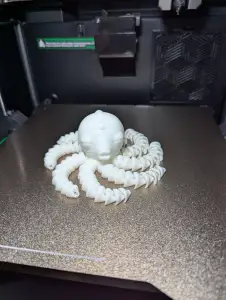
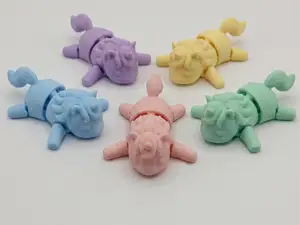
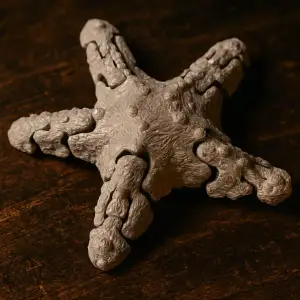
The models fall into a few groups. Print-in-place fidgets and sensory cubes rely on small gaps between parts so the piece comes off the plate already moving. Fabric and sheet designs use a dense grid of thin walls to imitate cloth, while flexi creatures use segmented bodies with visible hinges. Mechanical entries such as strain wave gearboxes are closer to functional parts and usually involve several components and tighter tolerances.
When choosing, open the author's page and read the listed size, scale and part count. Check whether the design is meant to print as one piece or to be assembled, whether supports are mentioned, and which material and layer height the author used. Photos of actual prints show how the hinges and gaps behave. Very small gaps and thin walls are sensitive to printer calibration, so a test piece at the same scale is a reasonable first step.
To narrow the results, try synonyms and related terms: print-in-place, articulated, living hinge, flexi toy, sensory fidget, chain, fabric, or the mechanical side with gearbox, cycloidal, strain wave and planetary. Adding a size or a subject, such as a creature or a cable clip, usually cuts the list faster than browsing it. If a term returns little, drop the modifier and search the broader family instead.
暮らし・日用品からCNCまで、すべてのテーマをそろえたカタログ。対応サイトを横断して検索できます。