
無料 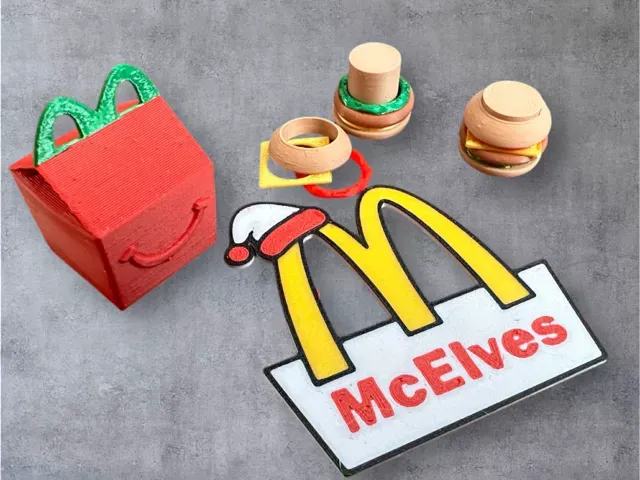
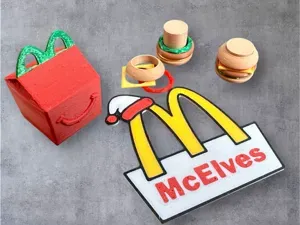
Mc Donald's Elf Prop Toy Food
MakerWorld
This collection covers toy food in several forms: play kitchen items, realistic biscuit and sweet replicas, bowls and dishes, and food-dispensing toys for cats and dogs. Most files are small, so they work as quick 3D printing exercises on a desktop 3D printer. The range is useful when you want props for a play kitchen, a puzzle feeder, or a scaled replica of a familiar snack. Polyzon does not confirm whether models are free, their price, license, official status, affiliation, safety or fitness. Check the current terms at the source.
このコレクションの本文は英語で書かれています。検索自体はどの言語でも使えます。
 Polyzonのコレクション · モデル48件 7サイトから収集
このコレクションは、Polyzonが対応サイトの検索結果をもとに作成しています。重複やプレビューのないモデルは除外し、関連性の低いものは後ろに回し、それ以外は検索結果の順に並べています。モデルの権利は各作者にあります。利用条件は各モデルのページでご確認ください。
選定基準:Polyzon編集部 · 本文の更新日:2026年10月15日

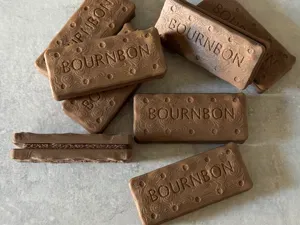

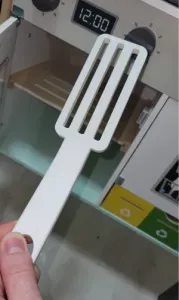
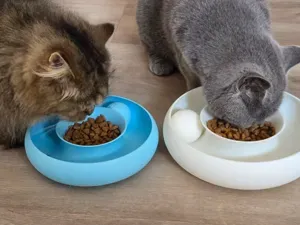

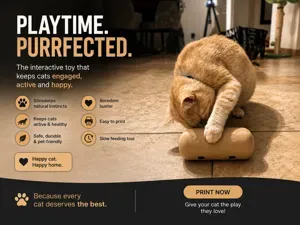
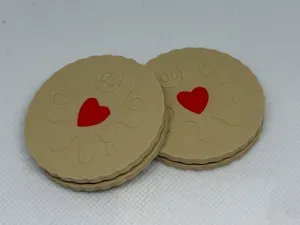


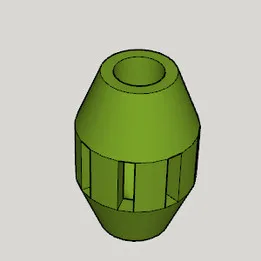

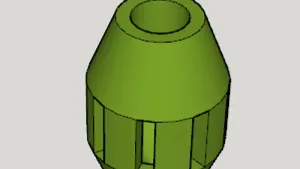
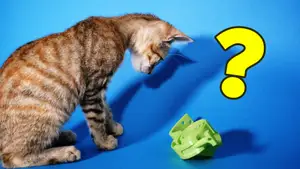


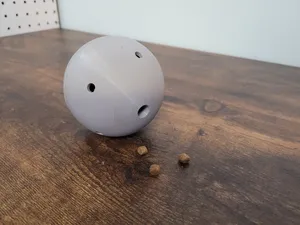
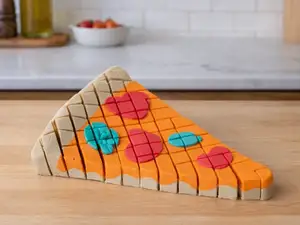
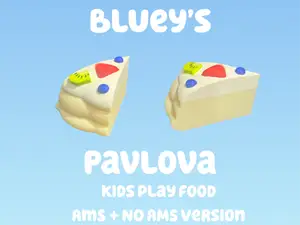


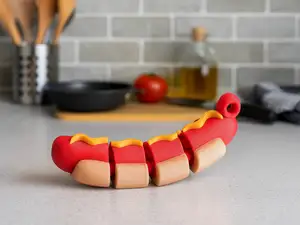
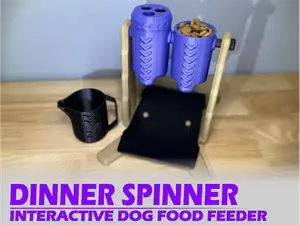
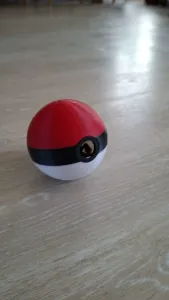


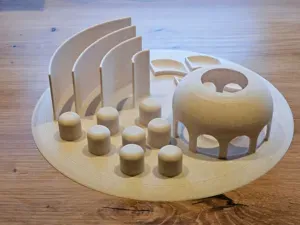
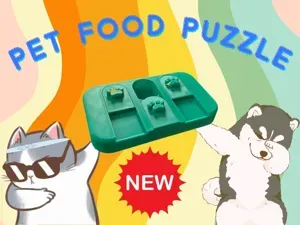
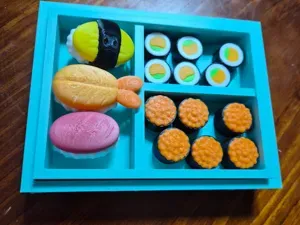


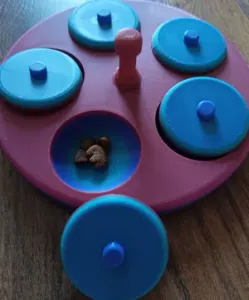
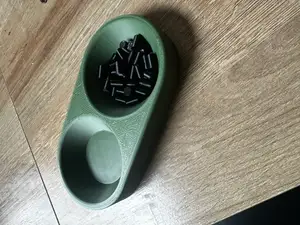

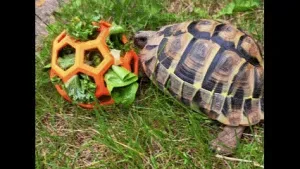
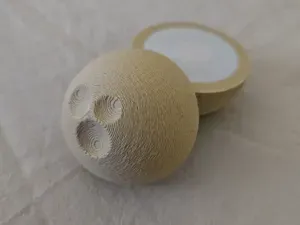

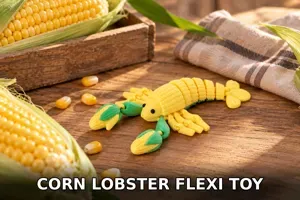

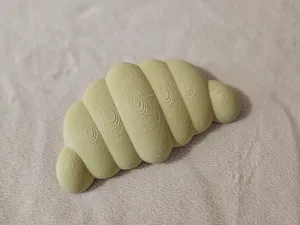
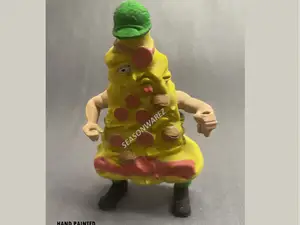

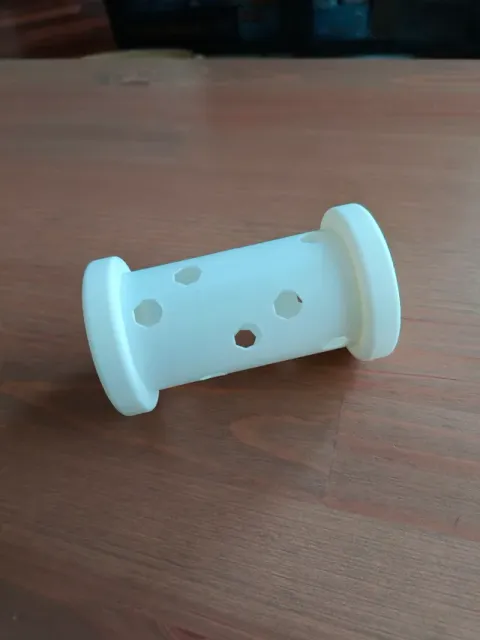
Play kitchen pieces usually come as single objects or small sets: trays, turners, ice cream shapes, cutters and mixed food assortments. Pet-oriented models are built around function instead, with openings, rolling parts or compartments that release dry food slowly. Realistic biscuit and sweet replicas sit closer to display or prop work, where surface detail matters more than mechanism.
When choosing a file, read the author's page for scale and part count. Multi-part models need assembly and sometimes glue, while single-piece designs avoid that step but may need supports depending on overhangs. Check the listed material and settings, and look at photos of real prints to judge how the surface and thin walls come out at your nozzle size. Small food shapes often print better with a finer layer height.
To widen the search, try synonyms such as play food, pretend food, kitchen set, miniature groceries, treat dispenser or puzzle feeder. Related topics include dollhouse scale miniatures, bakery and dessert props, and pet enrichment toys. Combining a material or scale word with the subject usually narrows results faster than the subject alone.
For pet toys, note the size of the opening and how the food is loaded, since that decides how the toy is used. For play food, check whether the model is a single item or part of a set, so pieces stay consistent in scale. If a file has several versions, the page usually explains which one is which.



暮らし・日用品からCNCまで、すべてのテーマをそろえたカタログ。対応サイトを横断して検索できます。