無料 
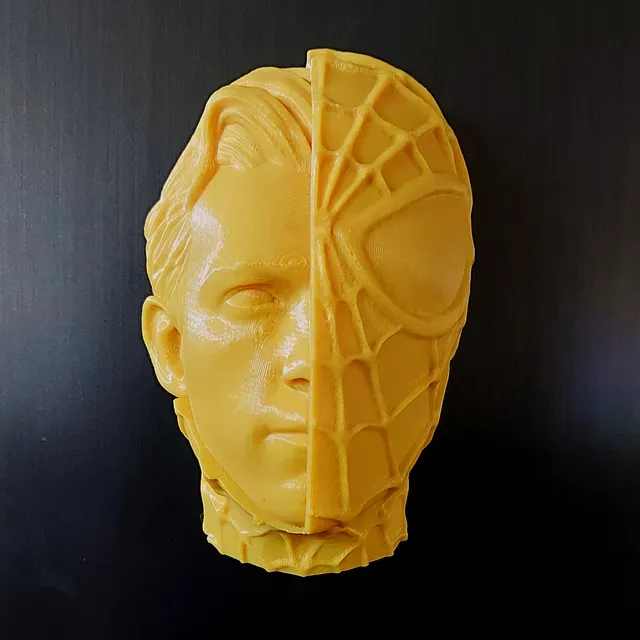
Spiderman Bust - Spider-Man
Thingiverse
This collection gathers Spider-Man-themed 3D printing models in several formats: articulated figures, busts, small accessories and print-in-place toys. It helps you compare how each approach behaves on a 3D printer before you commit filament to a build. The STL files come from different authors, so scale, part counts and print settings vary from one entry to the next. Polyzon does not confirm whether models are free, their price, license, official status, affiliation, safety or fitness. Check the current terms at the source.
このコレクションの本文は英語で書かれています。検索自体はどの言語でも使えます。
 Polyzonのコレクション · モデル47件 4サイトから収集
このコレクションは、Polyzonが対応サイトの検索結果をもとに作成しています。重複やプレビューのないモデルは除外し、関連性の低いものは後ろに回し、それ以外は検索結果の順に並べています。モデルの権利は各作者にあります。利用条件は各モデルのページでご確認ください。
選定基準:Polyzon編集部 · 本文の更新日:2026年10月12日
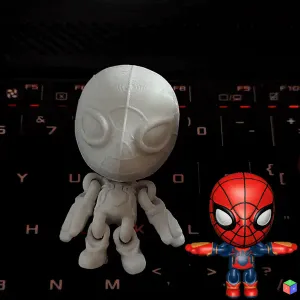

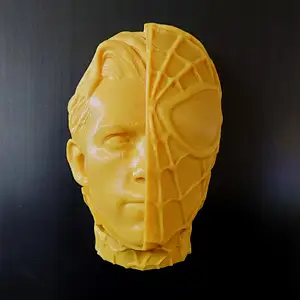
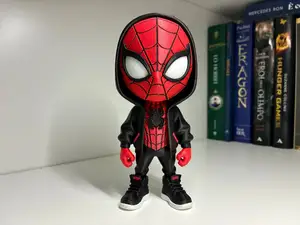
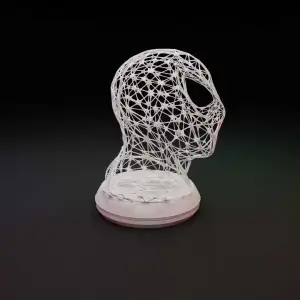

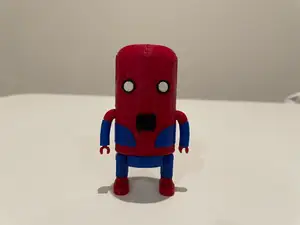

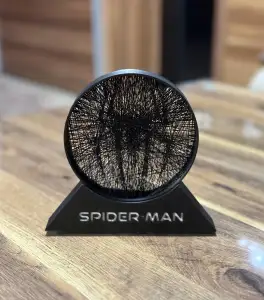

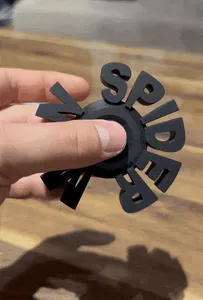
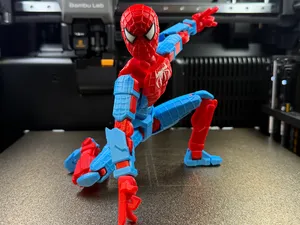

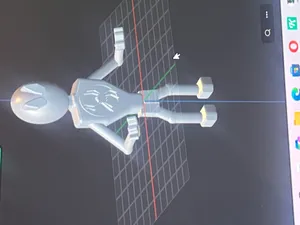
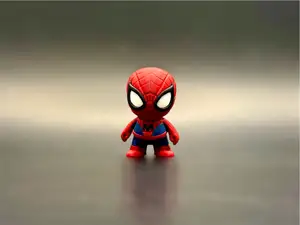

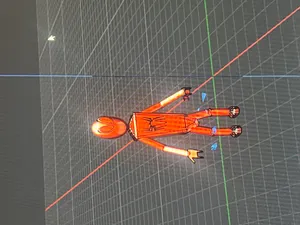
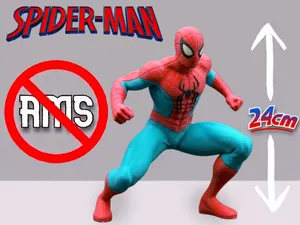
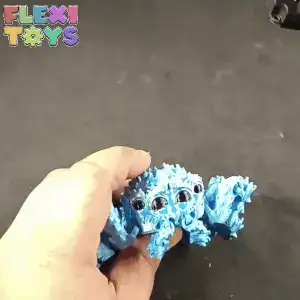

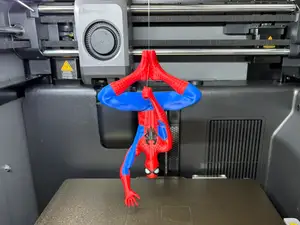
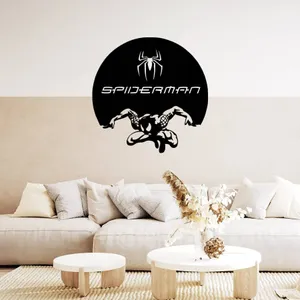

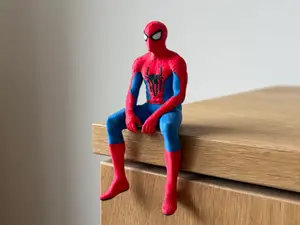
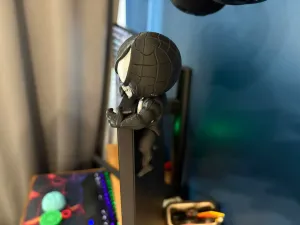

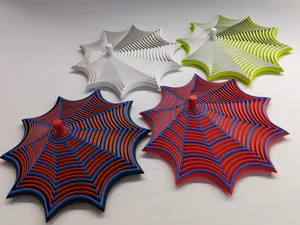
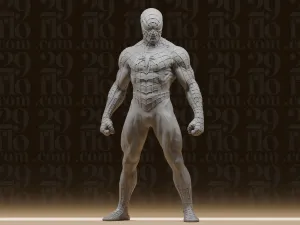

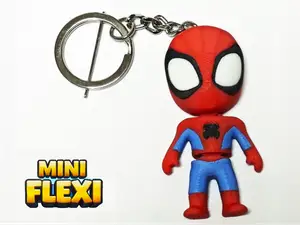
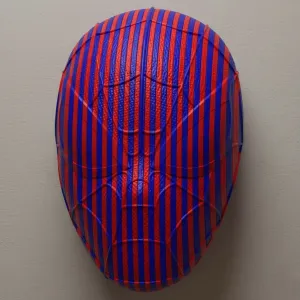

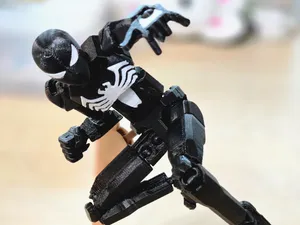
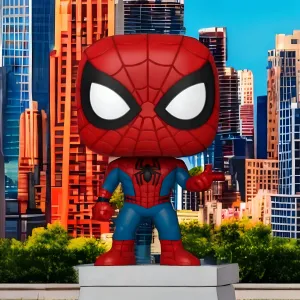

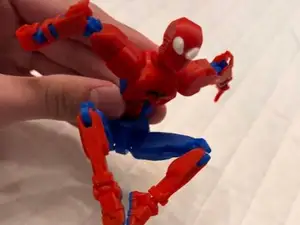
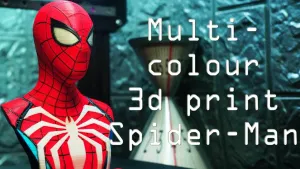



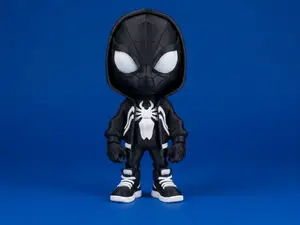
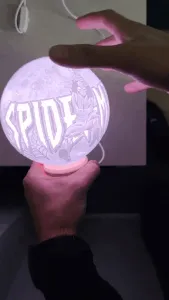
The models fall into a few distinct groups. Articulated and flexible figures are printed as one piece with joints built into the geometry, while busts and head sculpts are static display pieces that usually need supports and a clean surface finish. Smaller items such as keychains, magnets and coasters use little material and print quickly, and fidget toys or spinners are designed to move straight off the plate without assembly. Brick-style and modular figures sit between these groups: they are split into parts that snap or glue together, which changes both the print time and the amount of post-processing.
Before printing, open the author's model page and read what is listed there. Check the stated size and scale, how many separate parts the file contains, whether assembly or glue is required, and whether supports are needed for overhangs. Look at the material and settings the author mentions, since thin webs, fingers and joint gaps behave differently in PLA, PETG or resin. Photos of real prints are the most useful reference for judging surface detail and how visible the layer lines will be at the chosen size.
If the results feel too broad, narrow them with the terms that appear across this topic. Try spelling variants such as spiderman and spider man, or add a format word like articulated, flexi, bust, keychain, magnet or fidget. Related subjects can also help: masks and helmets, web or logo wall art, and alternate suit versions or other spider-themed characters. Combining a format word with a scale or a print method usually cuts the list down faster than a single broad query.



暮らし・日用品からCNCまで、すべてのテーマをそろえたカタログ。対応サイトを横断して検索できます。