
無料 
Carcassonne Tile Grids
Thingiverse
This collection gathers STL tiles for 3D printing, from grids that match board games to modular terrain, hex systems and decorative wall or planter tiles. It is useful when you need to extend an existing game board, build a diorama floor, or add a patterned surface to an object. Most files are flat or low-profile parts, so they print quickly on a common 3D printer. Polyzon does not confirm whether models are free, their price, license, official status, affiliation, safety or fitness. Check the current terms at the source.
このコレクションの本文は英語で書かれています。検索自体はどの言語でも使えます。
 Polyzonのコレクション · モデル48件 4サイトから収集
このコレクションは、Polyzonが対応サイトの検索結果をもとに作成しています。重複やプレビューのないモデルは除外し、関連性の低いものは後ろに回し、それ以外は検索結果の順に並べています。モデルの権利は各作者にあります。利用条件は各モデルのページでご確認ください。
選定基準:Polyzon編集部 · 本文の更新日:2026年10月14日
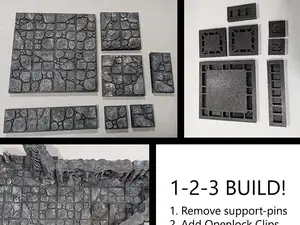


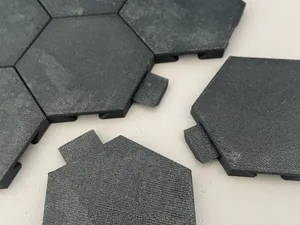


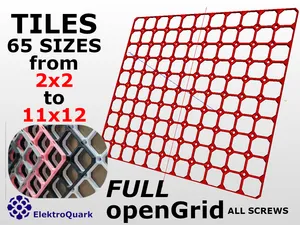


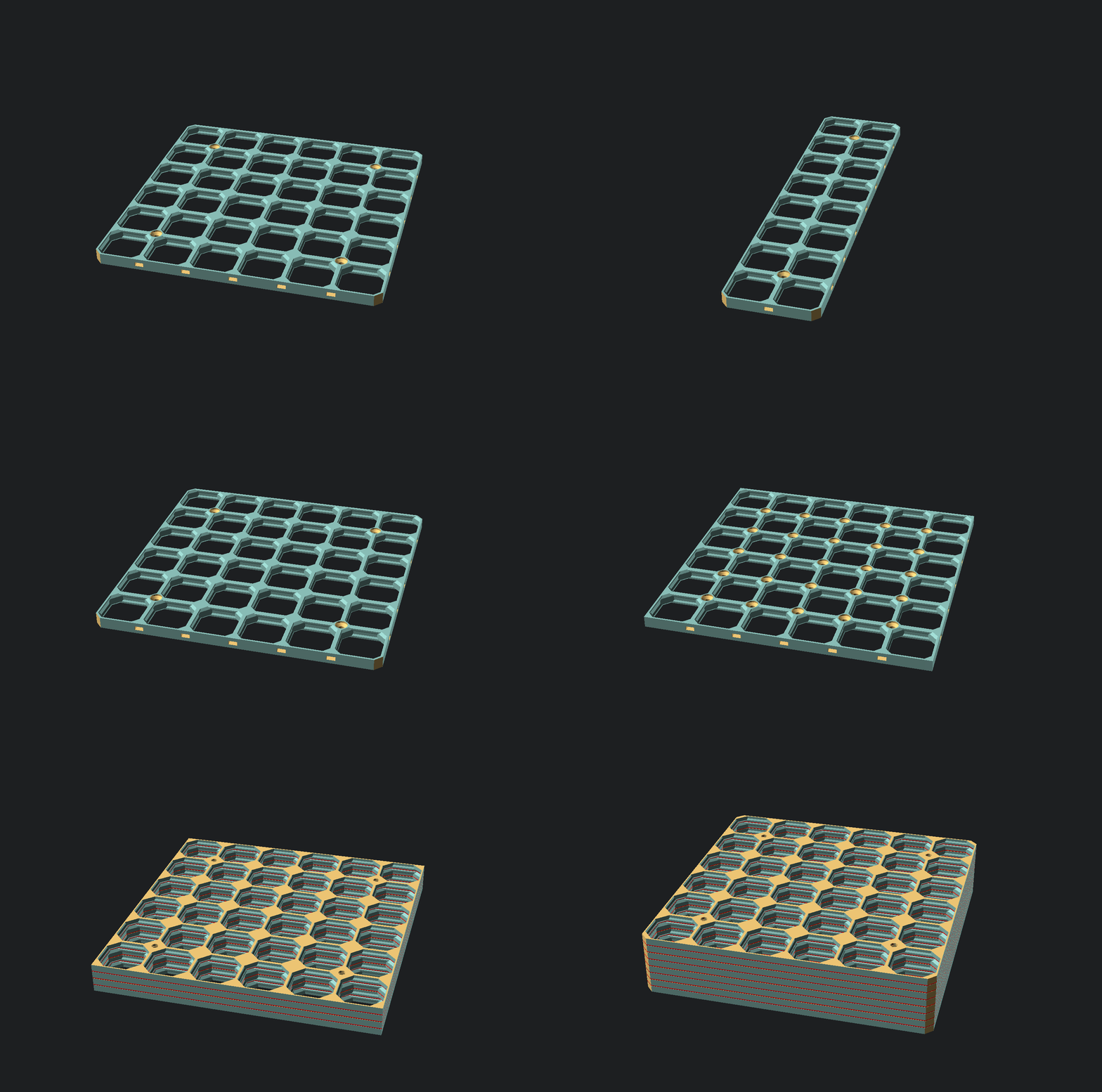


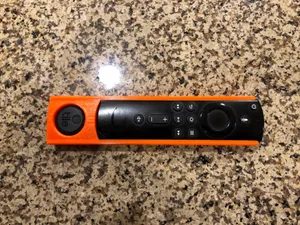


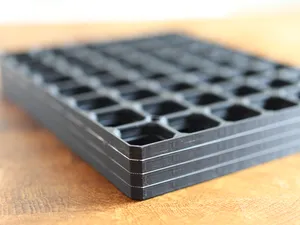


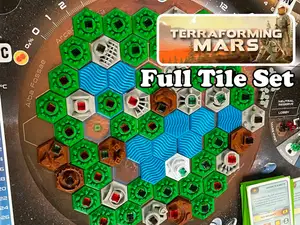


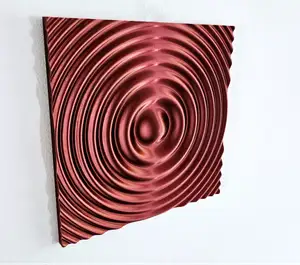


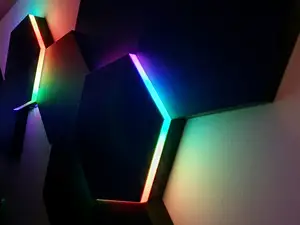


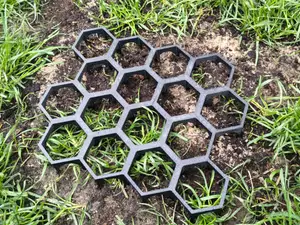


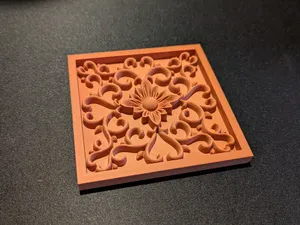


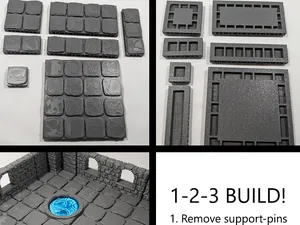
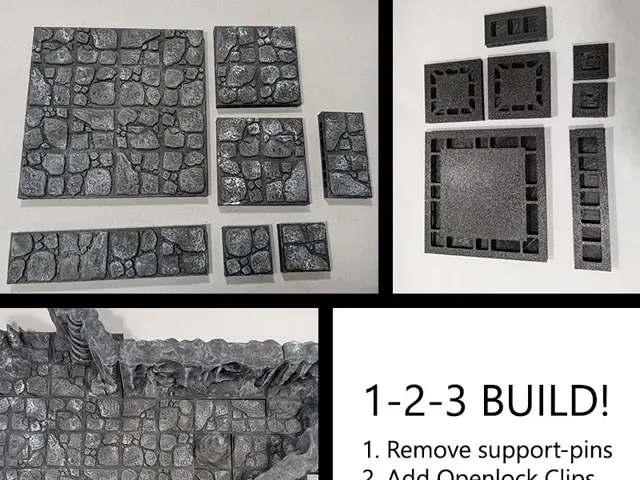
The tiles here fall into a few groups. Board game grids and replacement tiles reproduce the footprint of a published game so a missing or extra piece can be printed. Modular terrain sets use connectors such as OpenLOCK or openGrid to join dungeon, cave and sci-fi floors into larger layouts. Hex and square grid systems serve miniature games and dioramas, while decorative tiles copy architectural patterns or carry color-blended images for walls, lamps and planters. A smaller group covers dispensers, holders and small basing bits.
Before printing, open the author's model page and check the tile footprint and thickness in millimeters, since a few tenths of a millimeter decide whether pieces line up. Look at the connector type and whether it matches the tiles you already have, how many parts a set contains, and whether the geometry needs supports. Read the material and settings the author lists, and look at photos of real prints to judge surface detail and fit.
Search results improve when you vary the wording. Try tile, tiles, grid, floor, terrain, mosaic or base, and combine them with the game or setting you have in mind. Related topics worth exploring include dungeon terrain, hex grids, diorama floors, modular connector systems, basing bits and patterned wall or planter surfaces.


暮らし・日用品からCNCまで、すべてのテーマをそろえたカタログ。対応サイトを横断して検索できます。

