
無料 
Hose Connector - Customizer
Thingiverse
This collection gathers 3D models that join, reduce or extend hoses: garden quick couplers, magnetic dust and vacuum adapters, parametric generators and drainage fittings. Most of them are small parts that are awkward to buy in the exact diameter you need, which is where a 3D printer helps. The listings come from several platforms, so the level of detail in the description varies. Polyzon does not confirm whether models are free, their price, license, official status, affiliation, safety or fitness. Check the current terms at the source.
このコレクションの本文は英語で書かれています。検索自体はどの言語でも使えます。
 Polyzonのコレクション · モデル48件 4サイトから収集
このコレクションは、Polyzonが対応サイトの検索結果をもとに作成しています。重複やプレビューのないモデルは除外し、関連性の低いものは後ろに回し、それ以外は検索結果の順に並べています。モデルの権利は各作者にあります。利用条件は各モデルのページでご確認ください。
選定基準:Polyzon編集部 · 本文の更新日:2026年10月14日


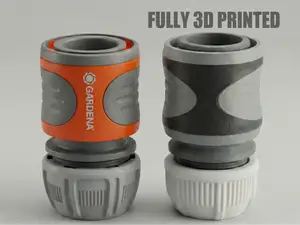


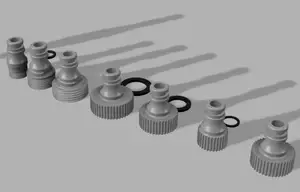


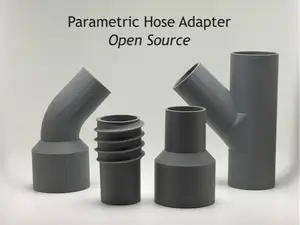


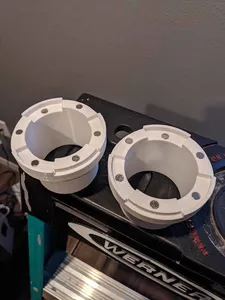
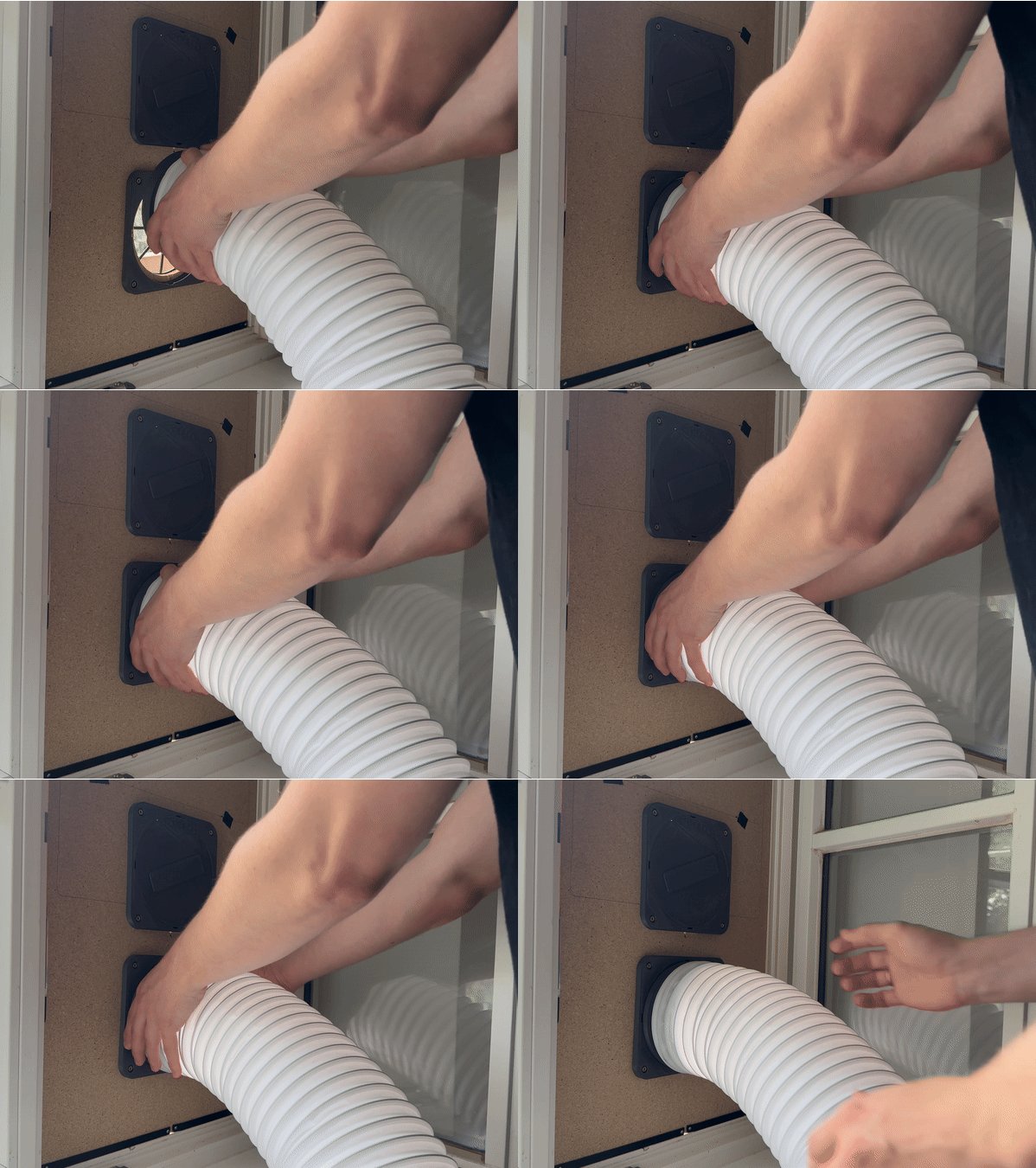


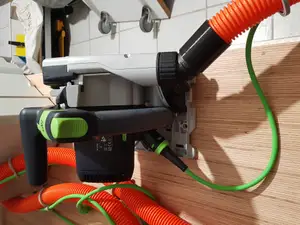
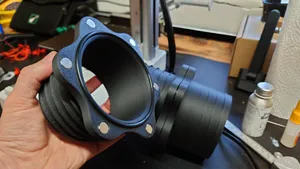


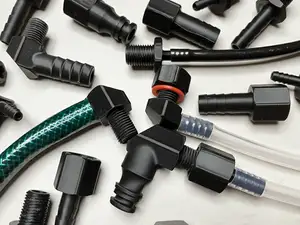


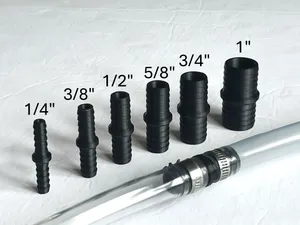


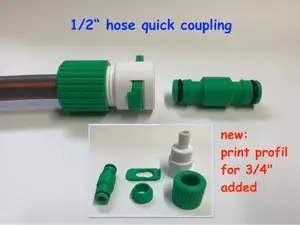


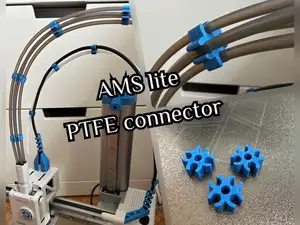


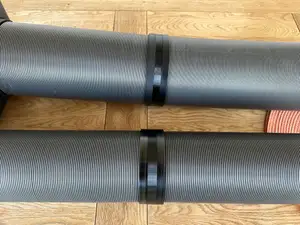
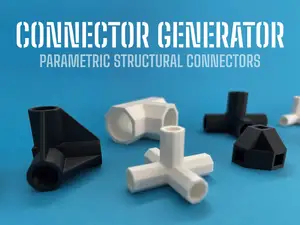


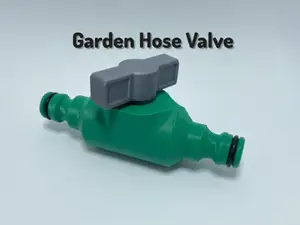
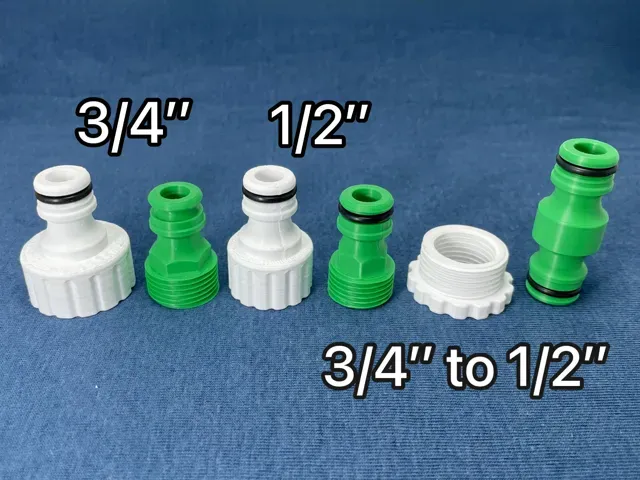
The models fall into a few groups. Garden quick couplers imitate the click-and-turn fittings used on watering hoses, while magnetic adapters are built for workshop dust extraction and vacuum lines, where the hose is often large in diameter and gets moved frequently. Parametric files and generator tools let you type in a diameter or thread and export a new shape. Drainage and rainwater parts sit closer to plumbing, and a smaller group covers appliance or machine hoses, such as couplers for air conditioning lines or PTFE tubing.
Before printing, read the author's page rather than the picture. Check the inner and outer diameter the model expects, the wall thickness, how many parts are involved and whether they are meant to be glued, screwed or snapped together. Look at whether supports are needed, which material and layer height the author used, and how the part is oriented on the bed, since a fitting loaded along the layer lines behaves differently from one loaded across them. Photos of real prints show how the threads and seals came out far better than a render.
If a search returns little, widen the wording. Try synonyms such as coupler, adapter, reducer, fitting, spigot or quick connect, and add the context: garden, watering, dust extraction, vacuum, hydroponics, drainage. Related topics are worth checking too, including threaded adapters, hose clamps, nozzle ends and caps, and the separate family of electrical strip connectors that share the same word. Narrowing by diameter, thread type or connection style usually helps more than adding more keywords.
暮らし・日用品からCNCまで、すべてのテーマをそろえたカタログ。対応サイトを横断して検索できます。