
無料 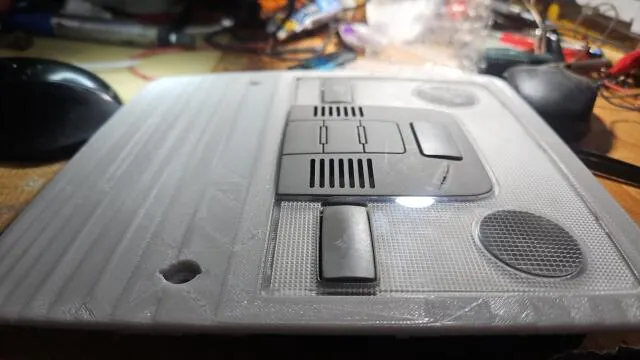
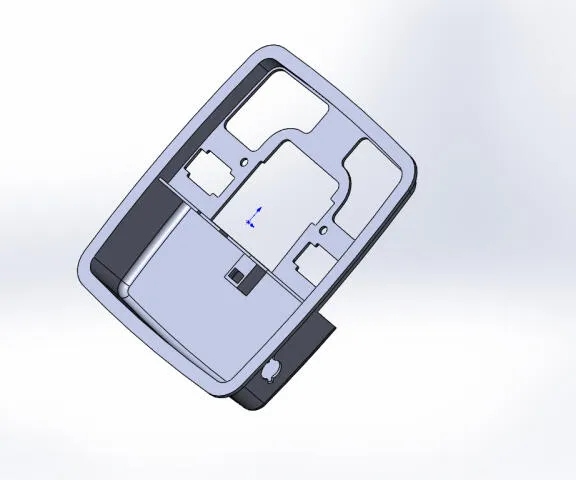
Корпус плафона фонаря салона без кормана а/м KIA Ceed
3DToday
This collection gathers 3D models that work as housings, covers and bases for lamps of various kinds. The range runs from ceiling and bedside fixtures to automotive lamp bodies and enclosures for LED boards. It is useful when an original housing is missing or when you want to design the shape around the electronics you already have, and every file is meant for 3D printing on a home 3D printer. Polyzon does not confirm whether models are free, their price, license, official status, affiliation, safety or fitness. Check the current terms at the source.
このコレクションの本文は英語で書かれています。検索自体はどの言語でも使えます。
 Polyzonのコレクション · モデル48件 9サイトから収集
このコレクションは、Polyzonが対応サイトの検索結果をもとに作成しています。重複やプレビューのないモデルは除外し、関連性の低いものは後ろに回し、それ以外は検索結果の順に並べています。モデルの権利は各作者にあります。利用条件は各モデルのページでご確認ください。
選定基準:Polyzon編集部 · 本文の更新日:2026年10月14日






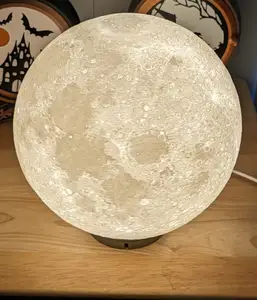
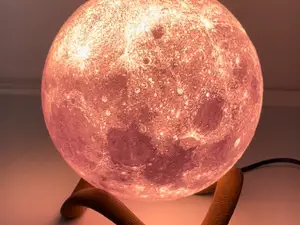




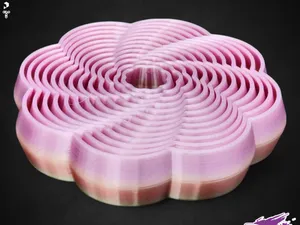


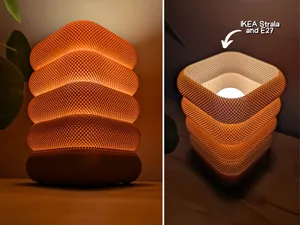




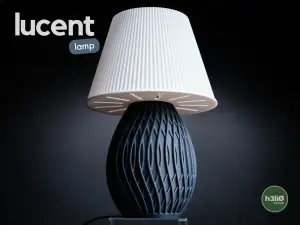
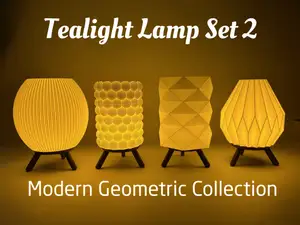
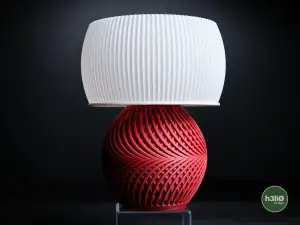

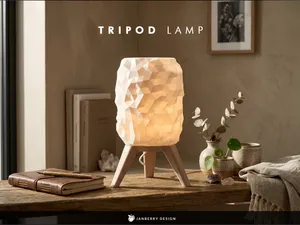
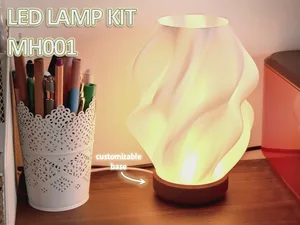

The most common group covers interior lighting: ceiling covers, bedside lamp bodies and holders for standard screw sockets, usually split into a shell plus a base or a mounting plate. A second group is automotive, where housings sit behind number plates or inside the cabin, and these tend to follow the shape of a specific recess. A third group serves electronics: boxes and shells built around a particular LED board or kit, often with cutouts for wiring and a diffuser plate.
When choosing a model, read the author's page before downloading. Check the outer dimensions and wall thickness, how many separate parts there are and how they join, whether the design needs supports, and which material and layer settings the author lists. For housings that hold a light source, look at how the board or socket is fixed, how much room is left for cables, and whether the model includes a cover or diffuser. Photos of real prints show more about proportions and surface finish than a render does.
Search results widen quickly if you try other wording. Terms such as lamp shade, light cover, ceiling rose, socket holder, enclosure, box or diffuser lead to neighbouring designs, and adding the intended use (bedside, workshop, car interior, aquarium) narrows the list. If you need a shape that does not exist yet, parametric housing models and open shells give you a starting point to adjust in CAD.
A few practical points apply to most of these files. Thin walls and large flat covers tend to warp, so orientation and cooling matter as much as the model itself. Parts that sit close to a bulb or LED need a material that tolerates heat, and the author's notes usually say what was used. Where a housing is meant to hide wiring, print the base first and test the assembly before printing the visible shell.
暮らし・日用品からCNCまで、すべてのテーマをそろえたカタログ。対応サイトを横断して検索できます。