
無料 
Eve Online - Caldari Capital Collection
Thingiverse
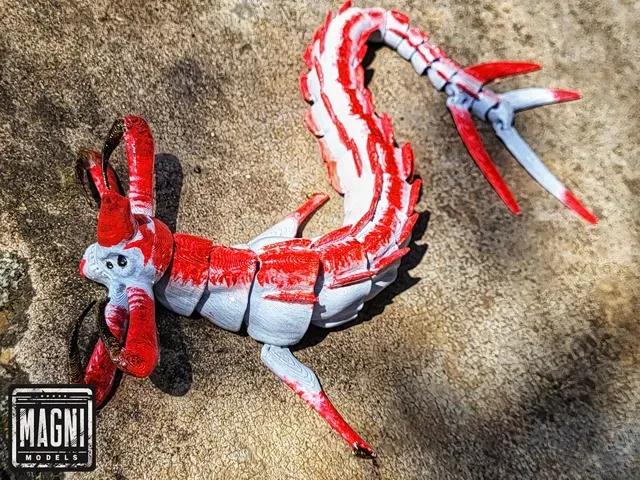
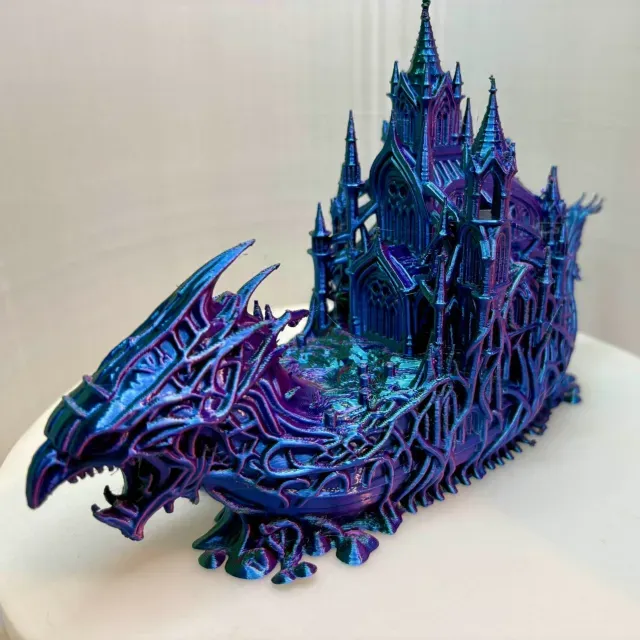
This collection gathers leviathan and dreadnought models in several directions: articulated sea creatures, dragons and mythical beasts, large capital ships, and separate weapon or walker parts. It is useful if you are planning a 3D printing project around a big creature or a heavy hull and want to compare how different authors split them into parts. The files range from single-piece display figures to multi-part assemblies that need planning before you start. Polyzon does not confirm whether models are free, their price, license, official status, affiliation, safety or fitness. Check the current terms at the source.
このコレクションの本文は英語で書かれています。検索自体はどの言語でも使えます。
 Polyzonのコレクション · モデル48件 3サイトから収集
このコレクションは、Polyzonが対応サイトの検索結果をもとに作成しています。重複やプレビューのないモデルは除外し、関連性の低いものは後ろに回し、それ以外は検索結果の順に並べています。モデルの権利は各作者にあります。利用条件は各モデルのページでご確認ください。
選定基準:Polyzon編集部 · 本文の更新日:2026年10月15日

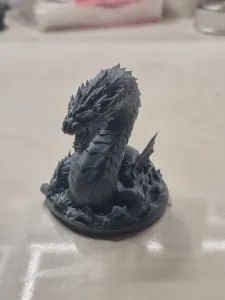

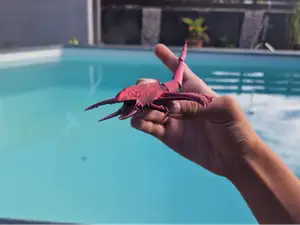
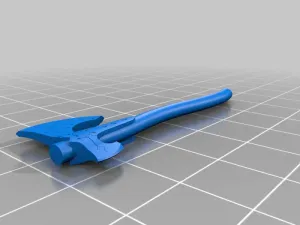

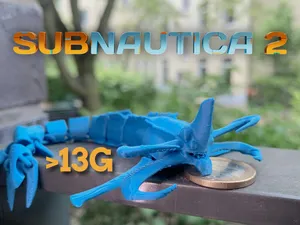
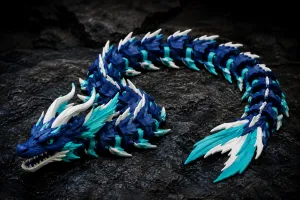

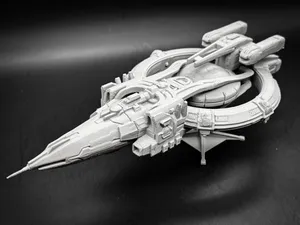
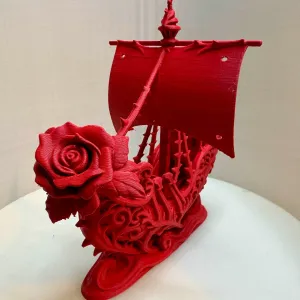

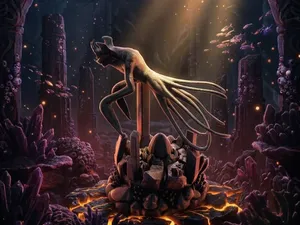
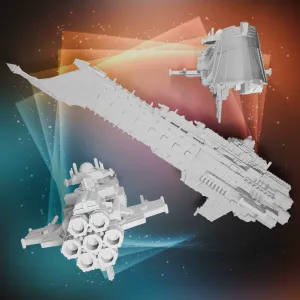

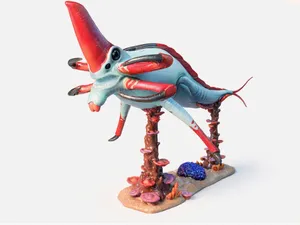
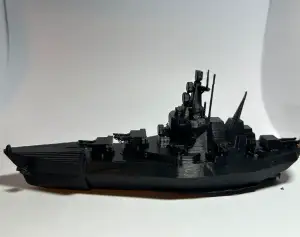

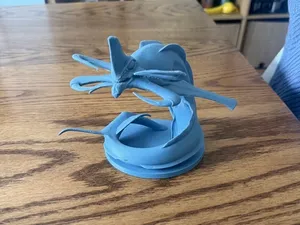
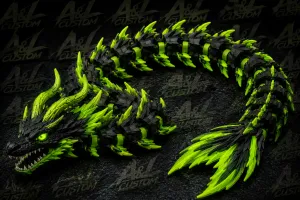

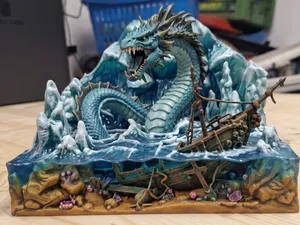
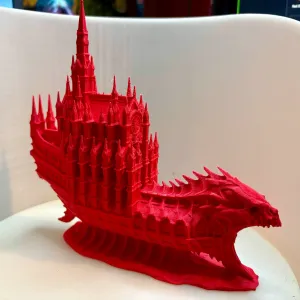

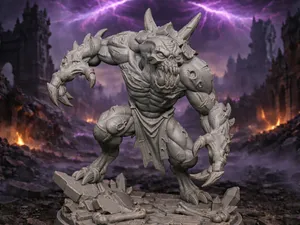
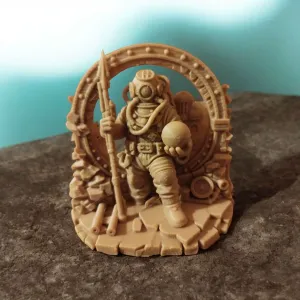

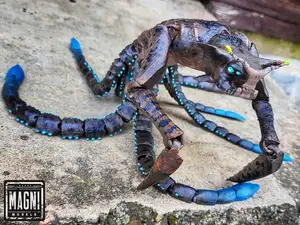
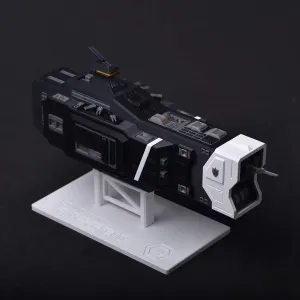

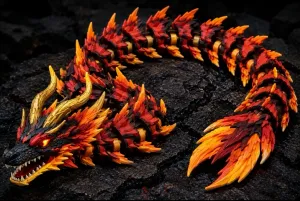

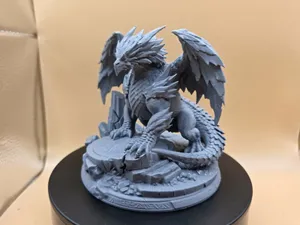

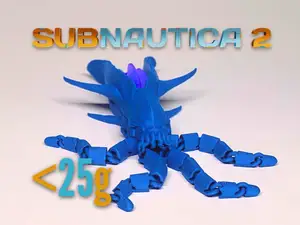
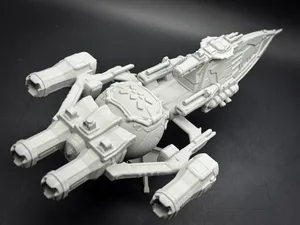
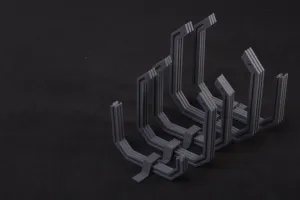

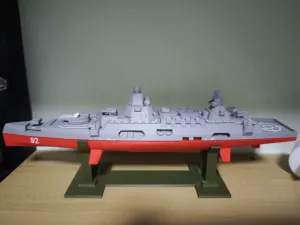

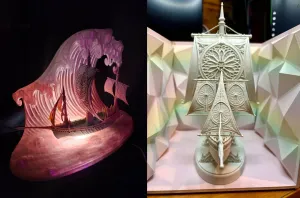
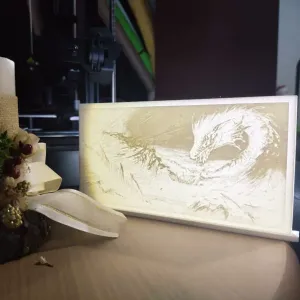
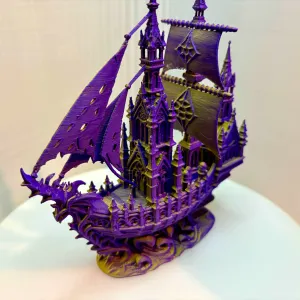
The sea-creature models usually come as articulated builds: the body is divided into segments with joints, so the finished piece can be posed or moved. Dragons and mythical leviathans tend to be more static, with wings, tails and horns as separate pieces. Capital ships and dreadnought hulls go the other way, using long flat panels and many small details that are printed in sections and joined afterwards. Weapon and walker parts are often scaled to attach to an existing build rather than to stand alone.
Before printing, open the author's model page and read what is listed there: overall size and scale, number of parts, whether the model is meant to be glued or clipped together, and whether supports are needed for overhangs. Check the material and settings the author names, since thin fins, antennae and joint pins behave differently in resin and in filament. Photos of real prints are the most useful reference for judging how the joints and thin sections come out.
If the results feel narrow, try related wording. Sea creatures also appear as deep-sea predator, sea monster or sea emperor; dragons as wyvern or mythical beast; ships as cruiser, battleship or fleet scale; and mechanical parts as walker arm, weapon mount or mech limb. Combining a creature term with a printing term such as articulated or multi-part usually brings up the versions that are split for assembly.
For larger builds, decide early whether you want a display piece or something that can be handled, because that choice affects wall thickness, joint clearance and how many sections you are willing to join. Resin printing favours fine detail on small parts, while filament handles the long hull sections and big bodies. Scaling a model up or down changes clearances, so test a small section first if the author provides one.


暮らし・日用品からCNCまで、すべてのテーマをそろえたカタログ。対応サイトを横断して検索できます。