
無料 
2015-FTC-robotic-lifting-mechanism
Thingiverse
This collection gathers 3D models built around lifting mechanisms and Xiaomi-related hardware: scooter folding joints and grips, linkage arms, table lifts, adjustable mounts and scale vehicles with moving parts. Most files are meant for 3D printing at home, so the useful question is not what a model looks like in a render but how it is put together. The entries differ a lot in part count and in how much hardware they assume you already have. Polyzon does not confirm whether models are free, their price, license, official status, affiliation, safety or fitness. Check the current terms at the source.
このコレクションの本文は英語で書かれています。検索自体はどの言語でも使えます。
 Polyzonのコレクション · モデル48件 3サイトから収集
このコレクションは、Polyzonが対応サイトの検索結果をもとに作成しています。重複やプレビューのないモデルは除外し、関連性の低いものは後ろに回し、それ以外は検索結果の順に並べています。モデルの権利は各作者にあります。利用条件は各モデルのページでご確認ください。
選定基準:Polyzon編集部 · 本文の更新日:2026年10月15日



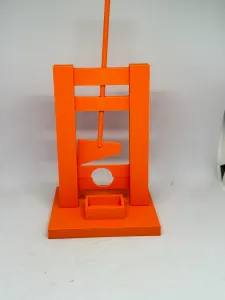

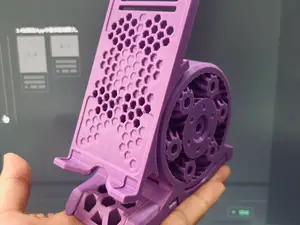
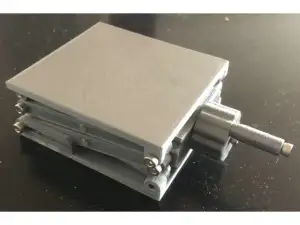


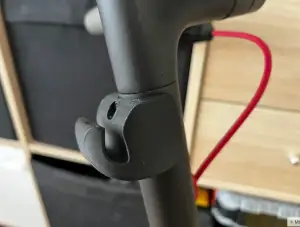

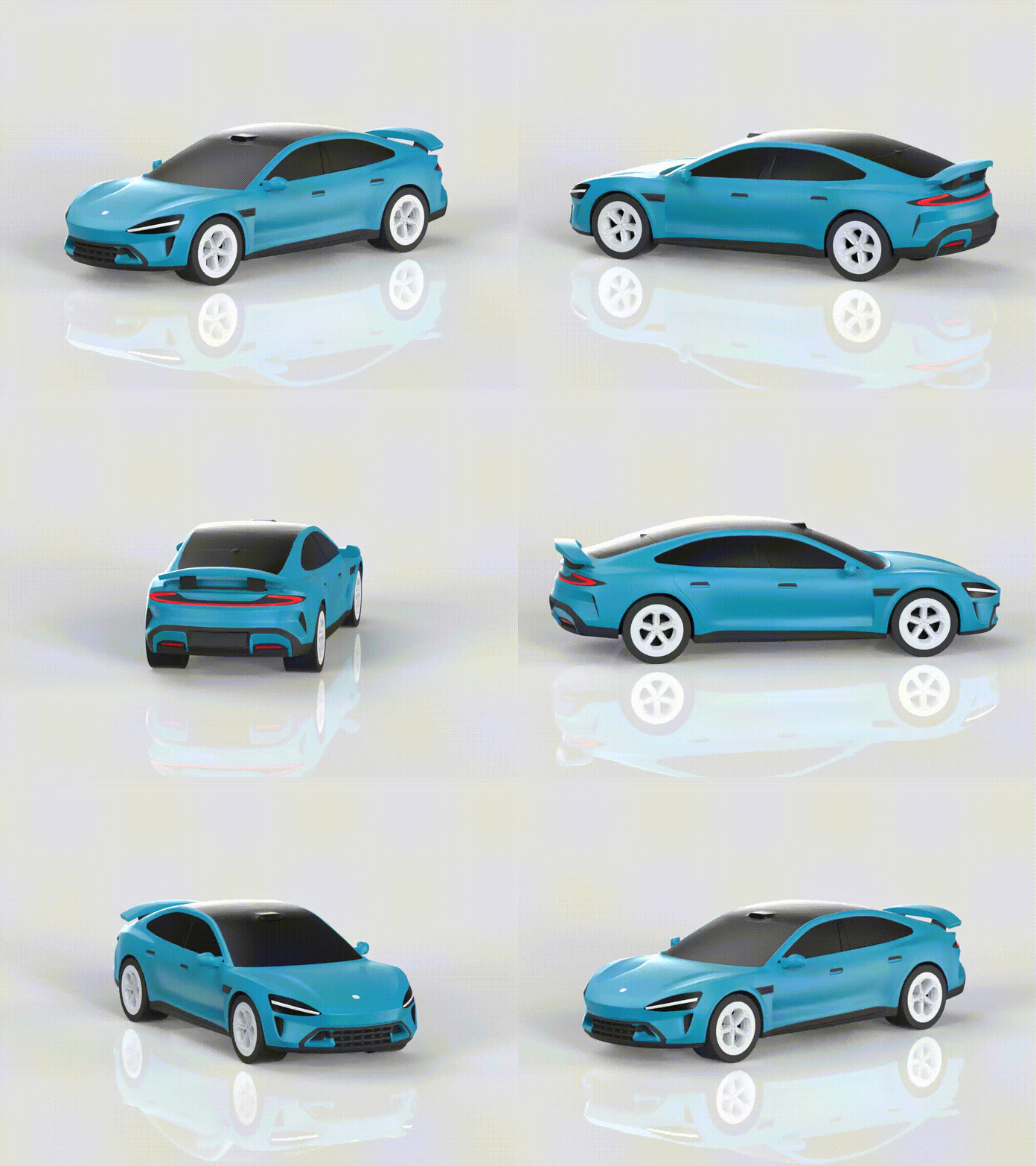
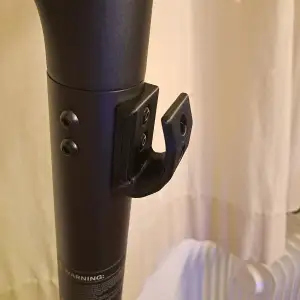




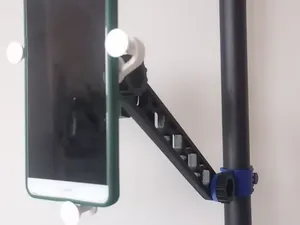
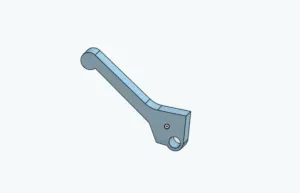

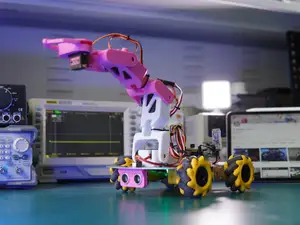
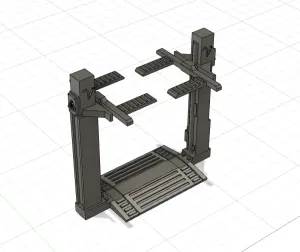


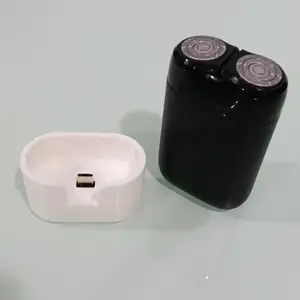

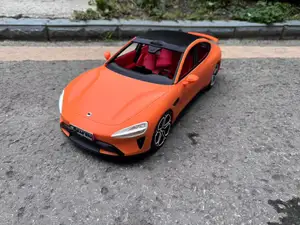
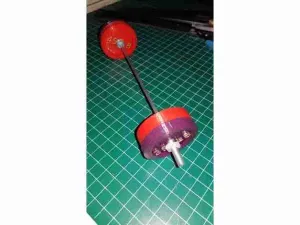

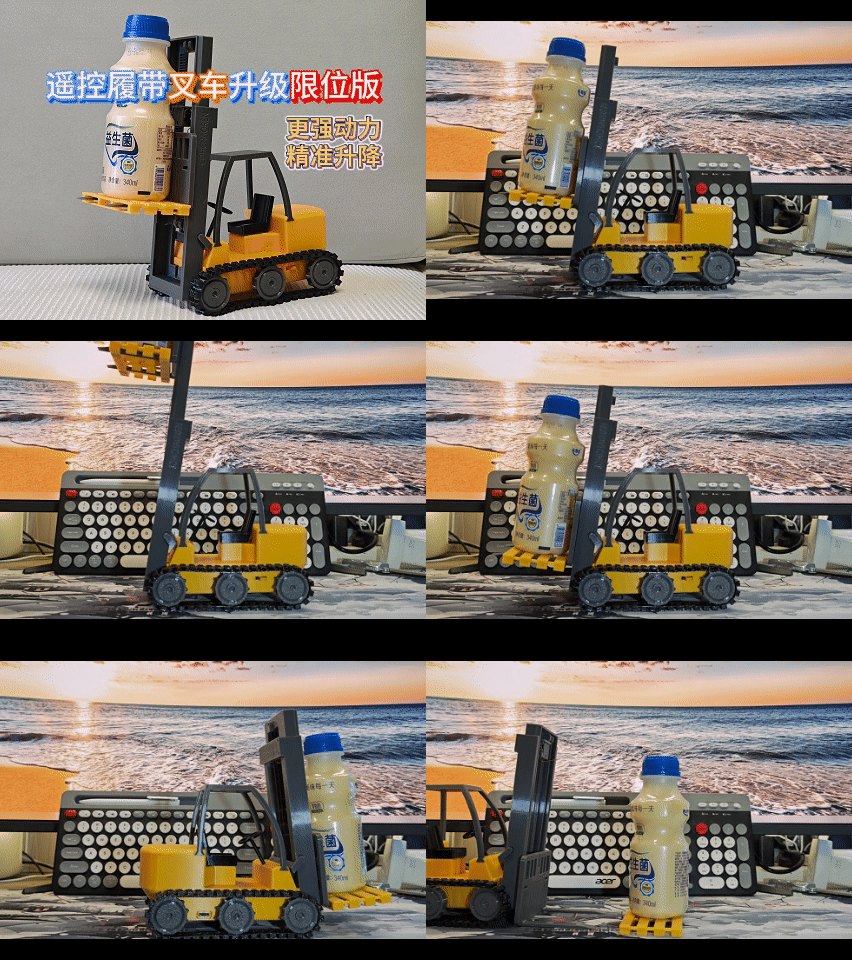

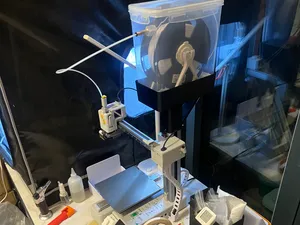
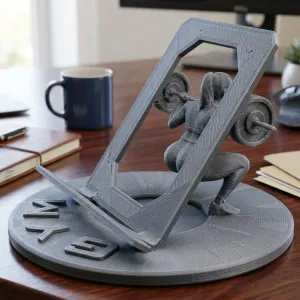

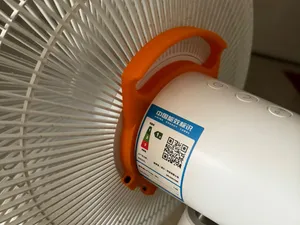
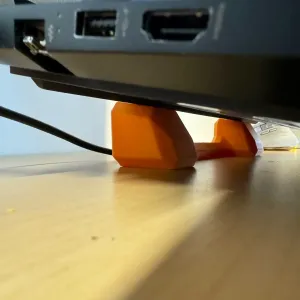

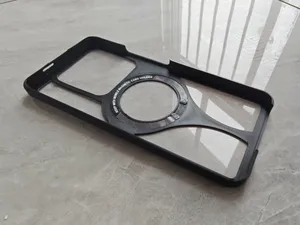
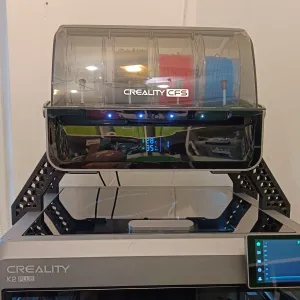


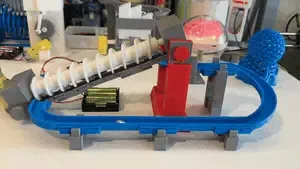
The kinds of models here fall into a few groups. Scooter parts are usually small brackets, hooks, grips and folding shims that replace or reinforce something on the vehicle. Robotic and remote-control arms are multi-part linkages with pivots and pins, often printed as several pieces and joined afterwards. Table and furniture lifts are larger assemblies, while camera and phone mounts sit in between: a base, an arm and a joint that has to hold a set angle.
Before printing, open the author's page and read what is listed there. Check the number of parts and whether they are printed separately or as one piece, whether supports are needed, and which material and settings the author used. For anything that moves, look at the pin and pivot dimensions and the clearance left between parts, since these decide how freely the joint turns after printing. Photos of real prints are more informative than renders, especially for thin arms and load-bearing brackets.
Searching works better with the mechanical term rather than the product name. Try hinge, folding joint, pivot arm, scissor lift, linkage or bracket, and combine them with the device you own. Related topics that often surface the same files include scooter accessories, camera mounts, RC arms, table hardware and model vehicles with articulated parts. If a result is close but not exact, look at the author's other models, since parts for one assembly are often published as a set.
Scaling is the usual sticking point. Changing the size of a printed part also changes wall thickness and the gap at every pivot, so measure the original dimensions first and adjust only if the design allows it. For joints that carry weight, the material and the print orientation matter more than the shape itself, and the author's notes are the place to look for both.




暮らし・日用品からCNCまで、すべてのテーマをそろえたカタログ。対応サイトを横断して検索できます。