
無料 
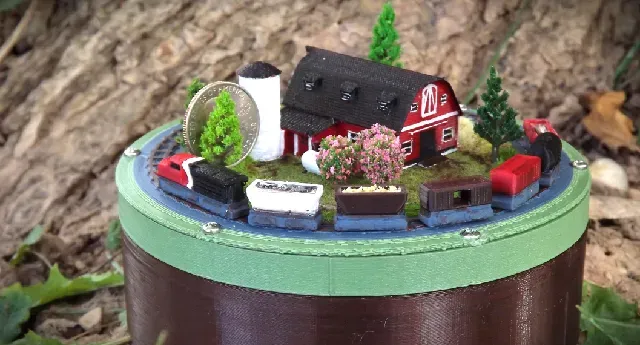
Coal Load for 55 Ton Coal Hopper Micro-Trains Kadee 33' N Scale
Thingiverse
This collection gathers 3D printing files for very small trains: pocket-sized sets, short track pieces, turnout hardware and miniature freight. Most of it is built around N scale and similar small gauges, where a few millimetres decide whether a part fits. It is useful when you want to extend a compact layout or rebuild a broken piece instead of replacing a whole set. Polyzon does not confirm whether models are free, their price, license, official status, affiliation, safety or fitness. Check the current terms at the source.
このコレクションの本文は英語で書かれています。検索自体はどの言語でも使えます。
 Polyzonのコレクション · モデル48件 4サイトから収集
このコレクションは、Polyzonが対応サイトの検索結果をもとに作成しています。重複やプレビューのないモデルは除外し、関連性の低いものは後ろに回し、それ以外は検索結果の順に並べています。モデルの権利は各作者にあります。利用条件は各モデルのページでご確認ください。
選定基準:Polyzon編集部 · 本文の更新日:2026年10月14日


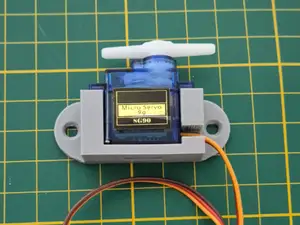


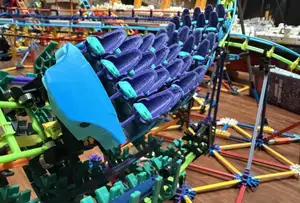
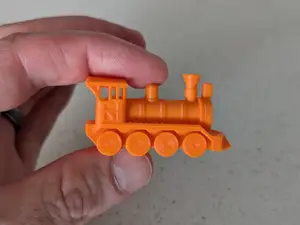


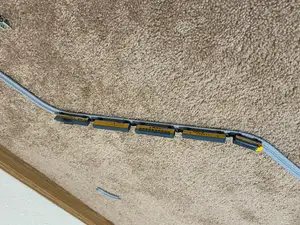
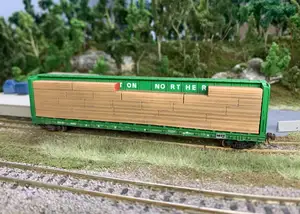


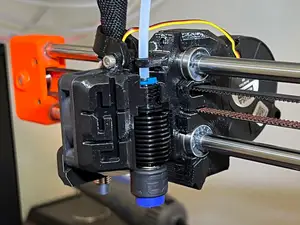
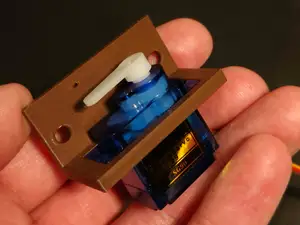


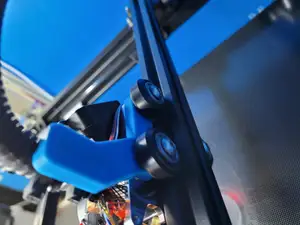
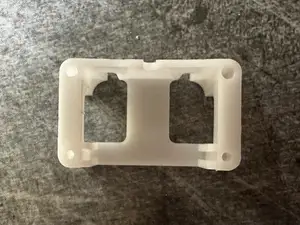


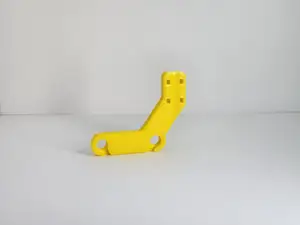
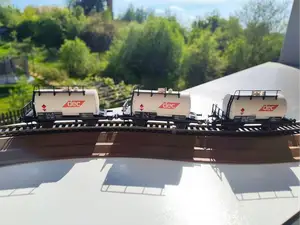

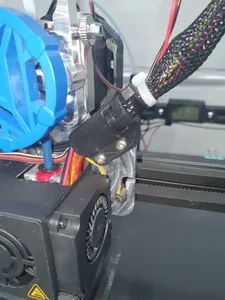
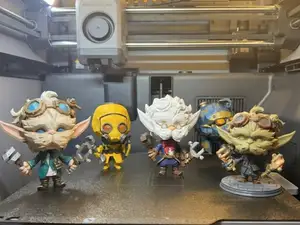


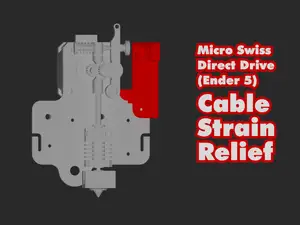
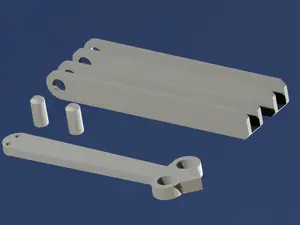


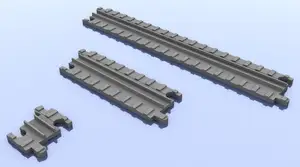
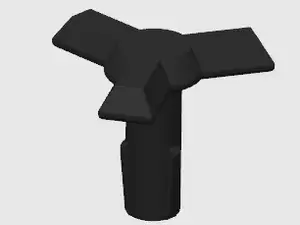


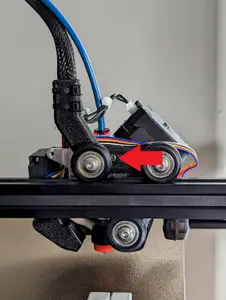


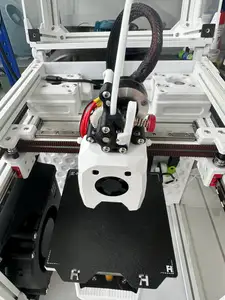
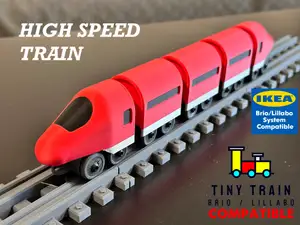
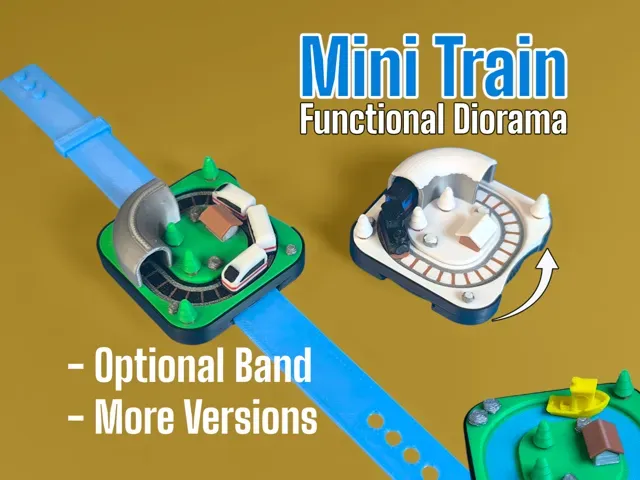
The models fall into a few groups. There are complete miniature train sets and small locomotives, often split into several printed parts. Then come track elements: straight and curved segments, adapters for toy track systems, and turnout or point components. A third group covers mechanics — mounts and holders for small servos that move a turnout. The last group is rolling stock detail: loads for hopper and flat cars, coupler areas and other add-on pieces for freight.
Scale is the first thing to check. Titles and descriptions usually state a scale or gauge, and mixing them leads to parts that do not line up. Look at the part count and how the author expects the pieces to join, since small models are often assembled rather than printed as one body. Check whether support structures are needed, what nozzle diameter the author lists, and which material and settings they used. Photos of real prints show how thin walls and small details come out better than any render.
Search results improve when you vary the wording. Alongside micro train, try miniature railway, model railroad, N scale, small gauge or pocket layout. For mechanics, search turnout, point, switch and servo mount separately, since authors label the same part differently. Related topics worth opening are dioramas, layout scenery, couplers, track adapters and rolling stock loads, which often appear in the same collections as the trains themselves.



暮らし・日用品からCNCまで、すべてのテーマをそろえたカタログ。対応サイトを横断して検索できます。