無料 
Skull Island
Thingiverse
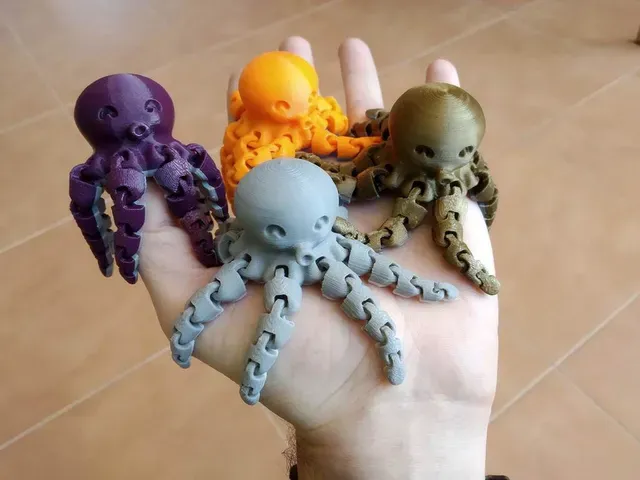
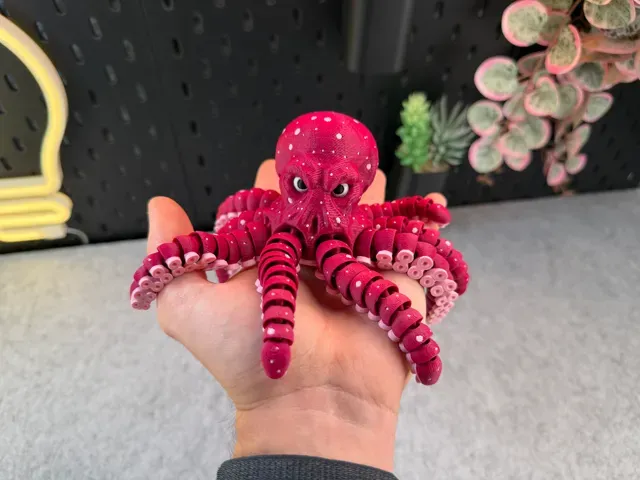
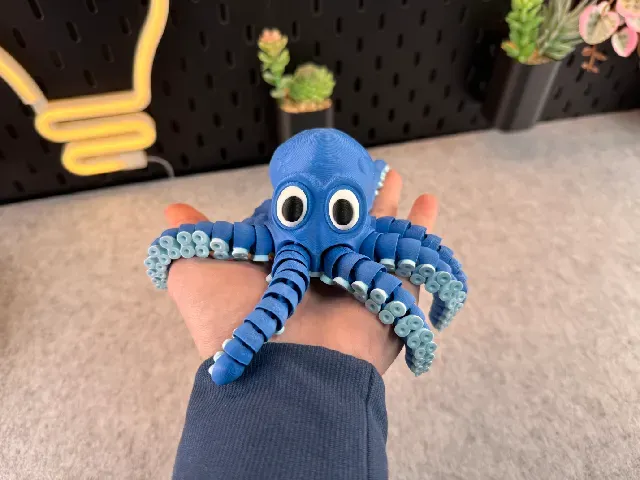
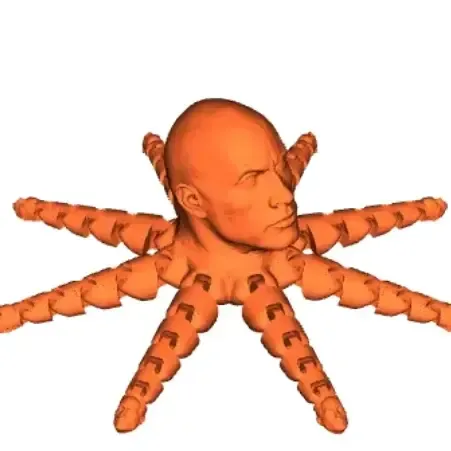
This collection gathers octopus 3D models in several directions: articulated and flexi figures, small cute versions, fidget rings and a few practical household items. It is useful if you want a print that moves, a quick small piece, or an octopus shape applied to something you actually use. Most files are prepared for a standard FDM 3D printer, while the flexible variants are usually meant for a softer filament. Polyzon does not confirm whether models are free, their price, license, official status, affiliation, safety or fitness. Check the current terms at the source.
このコレクションの本文は英語で書かれています。検索自体はどの言語でも使えます。
 Polyzonのコレクション · モデル47件 4サイトから収集
このコレクションは、Polyzonが対応サイトの検索結果をもとに作成しています。重複やプレビューのないモデルは除外し、関連性の低いものは後ろに回し、それ以外は検索結果の順に並べています。モデルの権利は各作者にあります。利用条件は各モデルのページでご確認ください。
選定基準:Polyzon編集部 · 本文の更新日:2026年10月14日
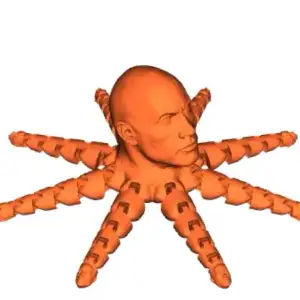

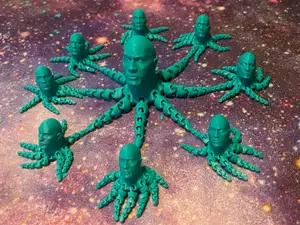
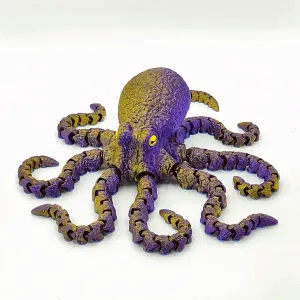

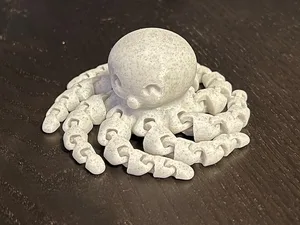
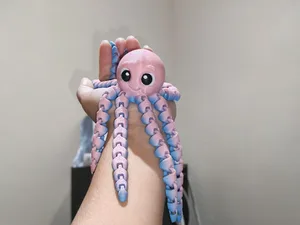
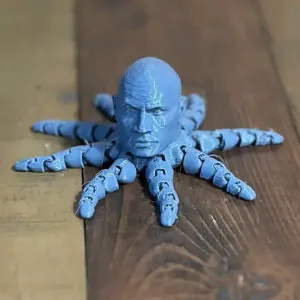


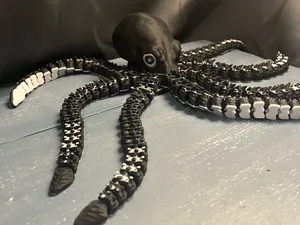
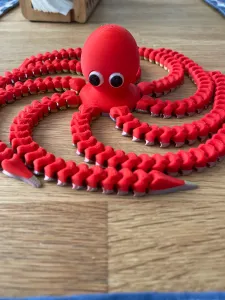


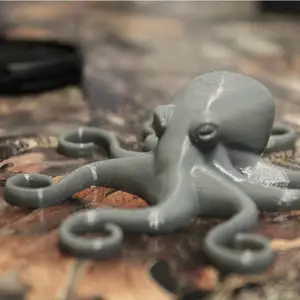


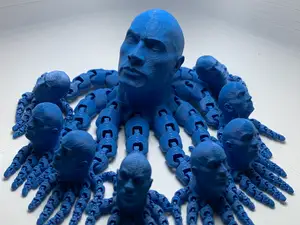
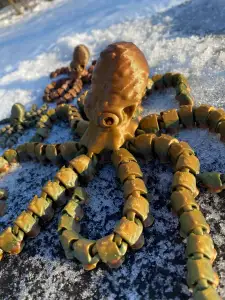

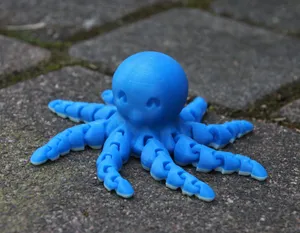
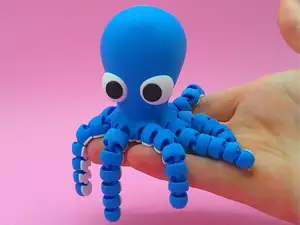
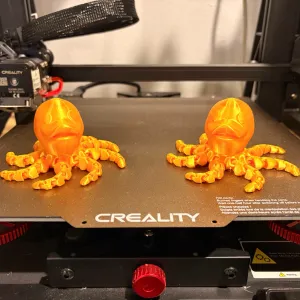


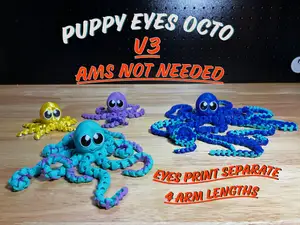
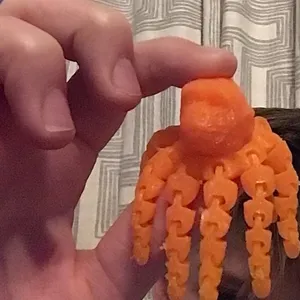


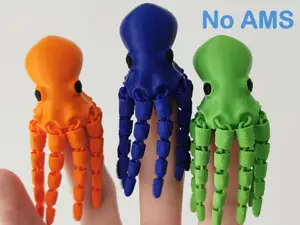

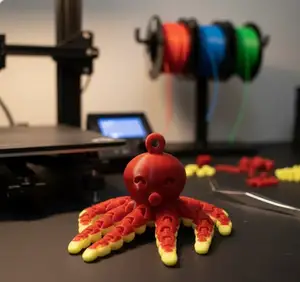
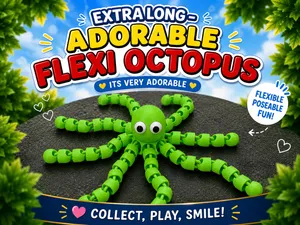
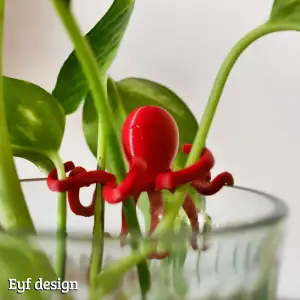


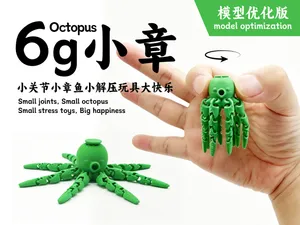
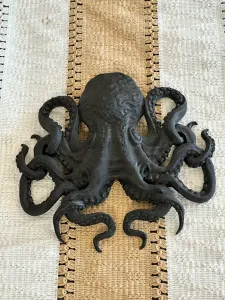

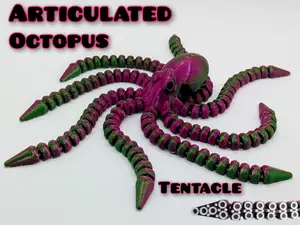

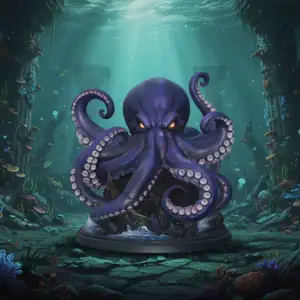
The largest group is made up of articulated and flexi octopuses, where the tentacles are printed as a chain of joints and the model comes off the plate as one moving piece. Mini and cute versions sit next to them: fewer parts, smaller footprint, often built as a single body with a simple head shape. A third group applies the octopus form to objects — a bottle holder, a chip clip, a ring — so the animal shape becomes a handle, a grip or a decorative shell rather than a figure.
When choosing, open the author's model page and read what is listed there: the overall size and scale, how many parts are in the file, whether the tentacles are separate pieces to assemble, and which material and settings the author used. For articulated models the clearance between joints matters more than the shape, so check the recommended layer height and whether the file was tested in the material you plan to use. Flexible prints behave differently from rigid ones, so compare the author's photos of real prints before deciding on a filament.
To widen the search, try synonyms and related terms: articulated, flexi, fidget, mini, cute, tentacles, kraken, cephalopod. If you want a specific use, add words like ring, clip, holder or keychain, or switch to a related topic such as sea creatures, ocean animals or articulated animals. Combining a shape word with a function word usually narrows the list faster than browsing a single tag.



暮らし・日用品からCNCまで、すべてのテーマをそろえたカタログ。対応サイトを横断して検索できます。