
無料 
Optical Illusion Pinwheel v2.5
Thingiverse
Optical 3D models split into two rough groups: decorative pieces whose shape creates an illusion, and functional parts that use light to sense or adapt something. The decorative side is easy to print and quick to show off, while the sensor and adapter side is closer to a workshop job. Both are worth browsing if you use a 3D printer for objects that do more than sit on a shelf. Polyzon does not confirm whether models are free, their price, license, official status, affiliation, safety or fitness. Check the current terms at the source.
このコレクションの本文は英語で書かれています。検索自体はどの言語でも使えます。
 Polyzonのコレクション · モデル48件 4サイトから収集
このコレクションは、Polyzonが対応サイトの検索結果をもとに作成しています。重複やプレビューのないモデルは除外し、関連性の低いものは後ろに回し、それ以外は検索結果の順に並べています。モデルの権利は各作者にあります。利用条件は各モデルのページでご確認ください。
選定基準:Polyzon編集部 · 本文の更新日:2026年10月14日
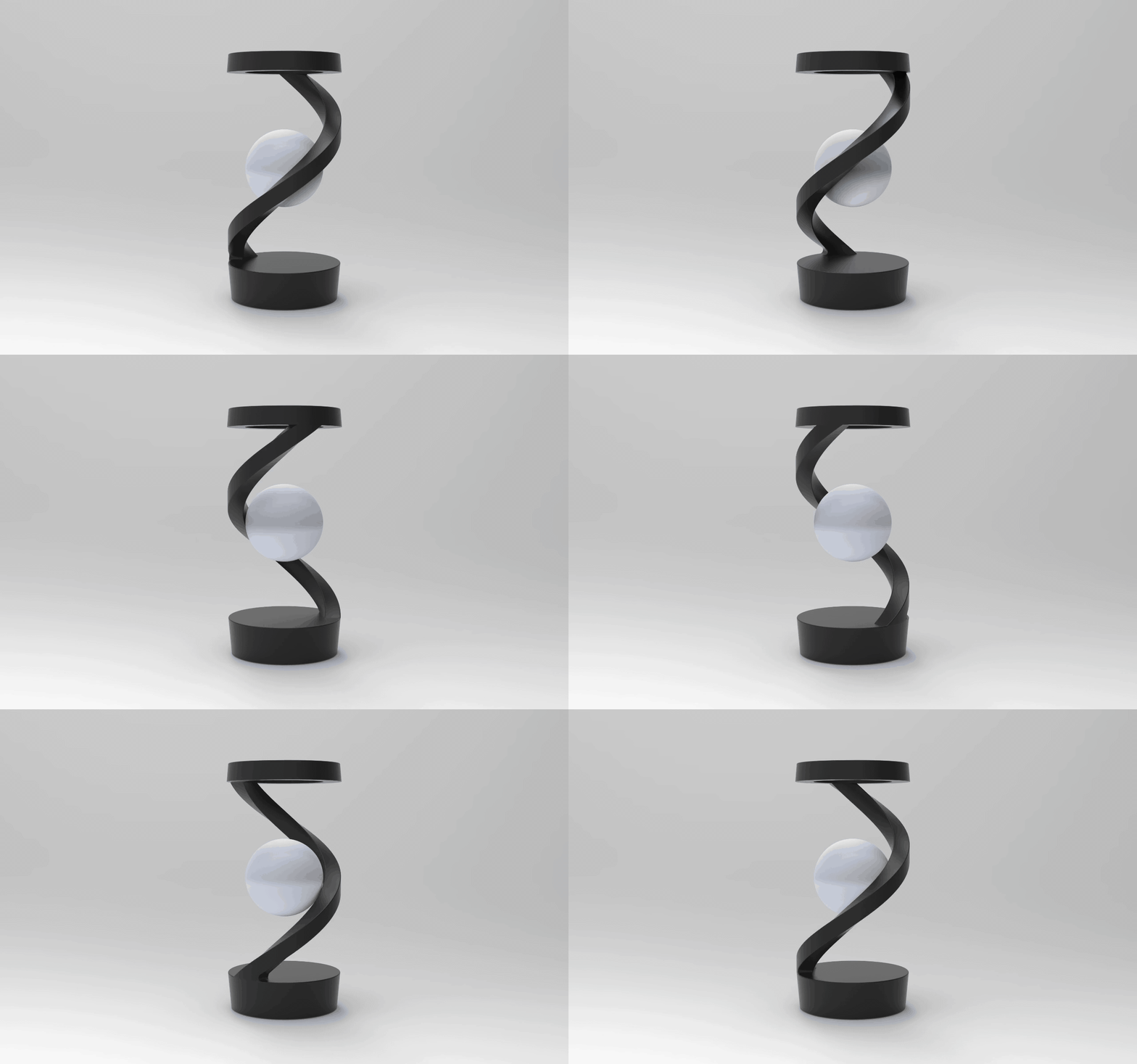


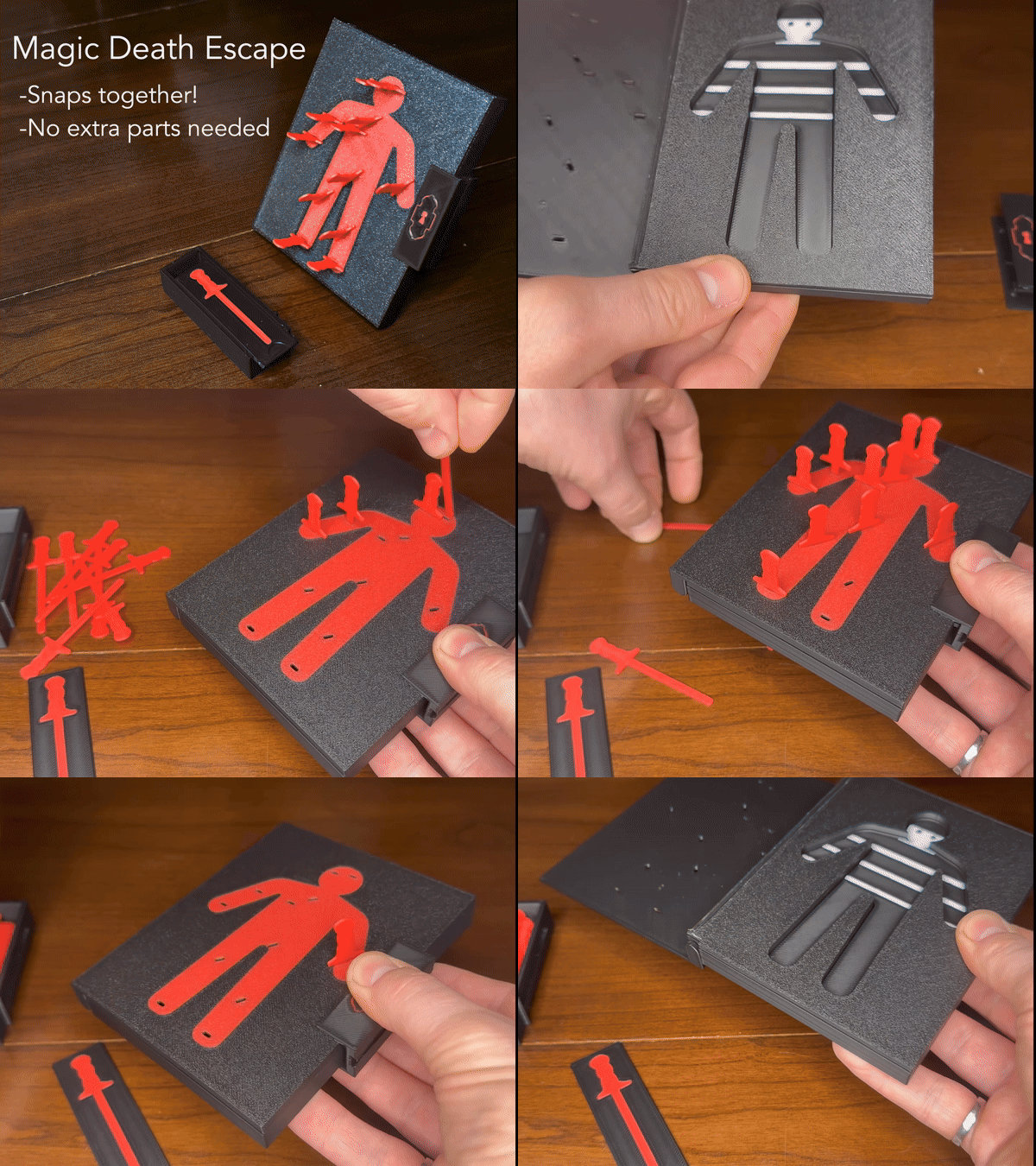


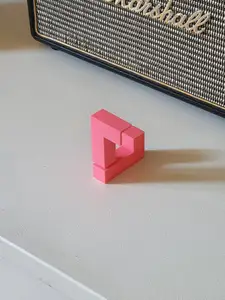
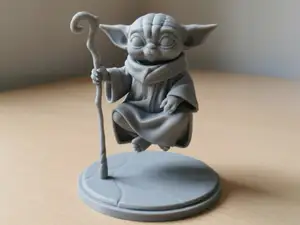

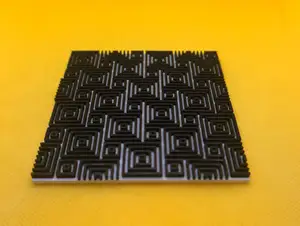
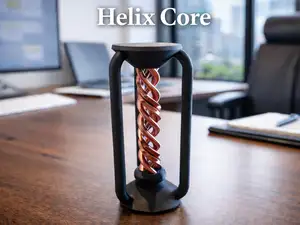


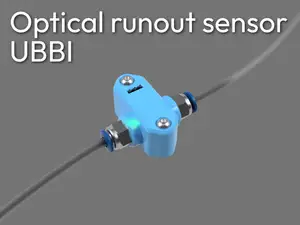
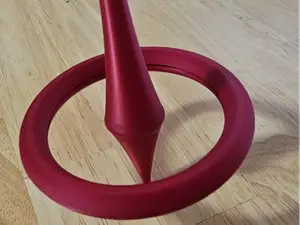


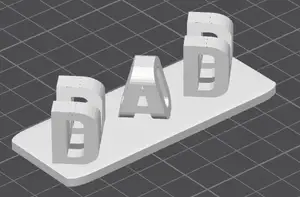
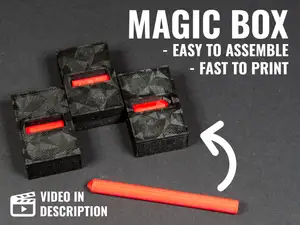


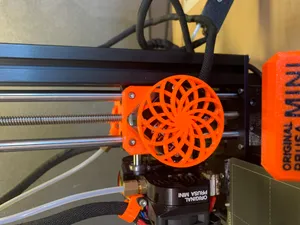
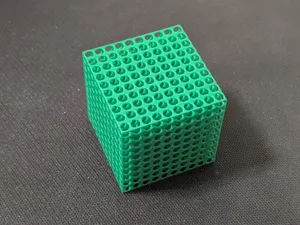


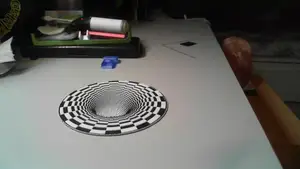
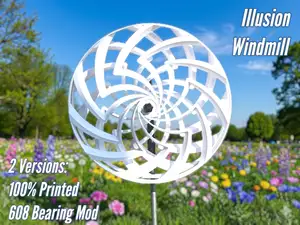


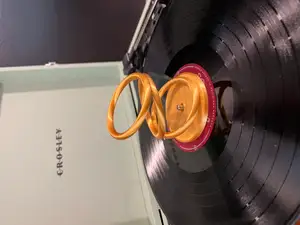
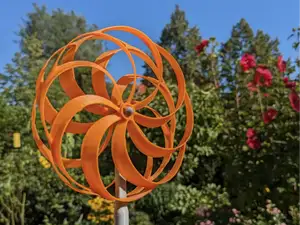


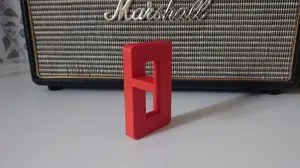
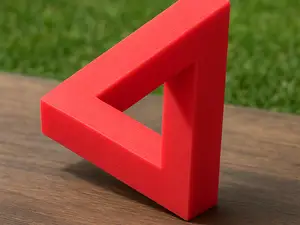

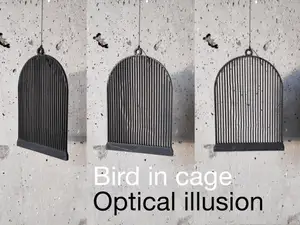
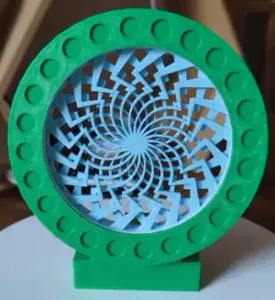


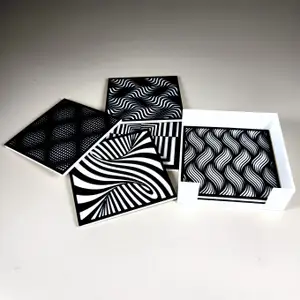
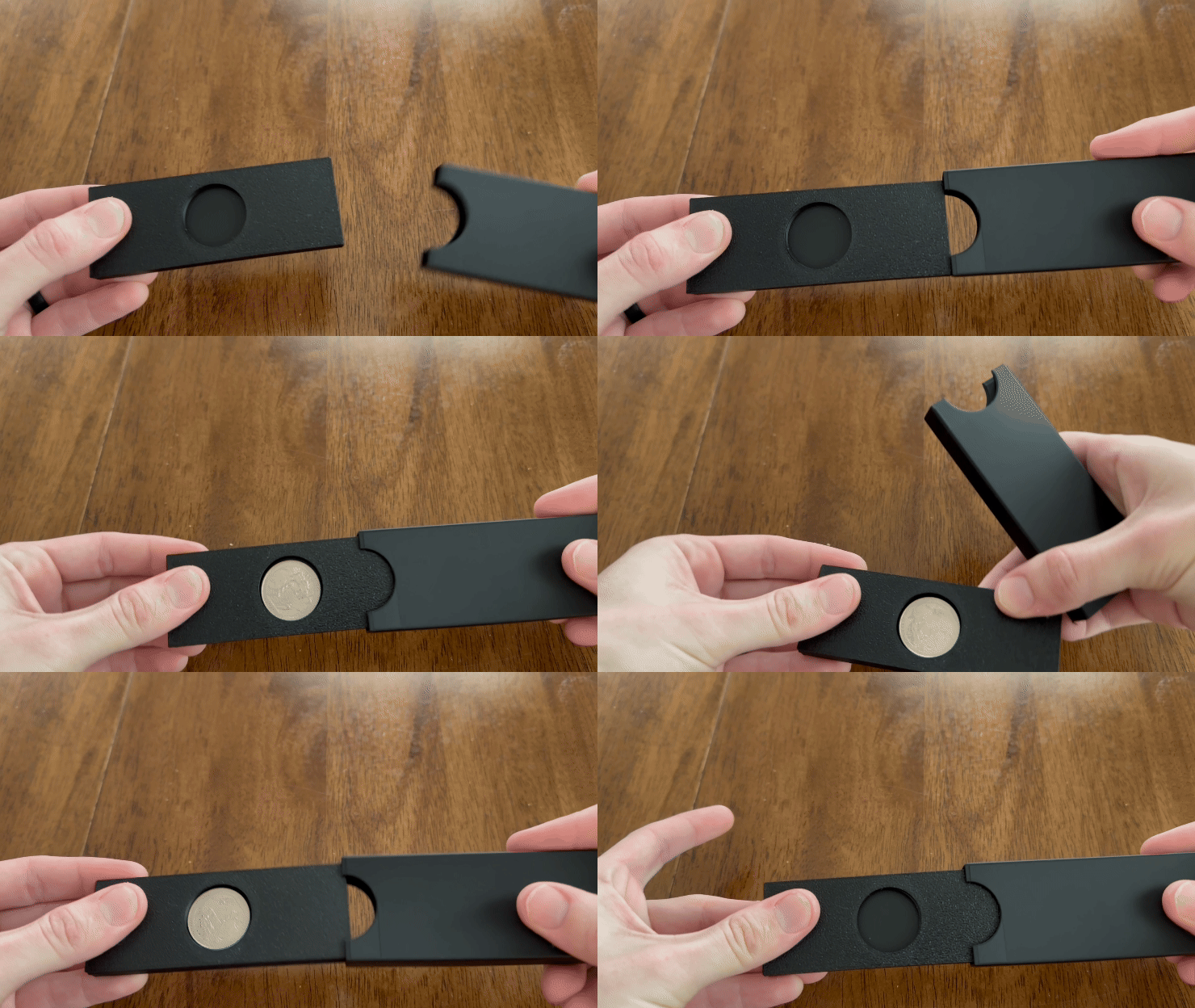
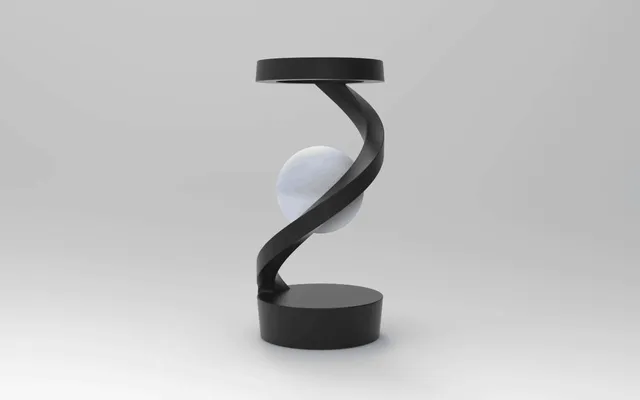
Illusion pieces usually rely on geometry rather than color: twisted profiles, repeated spirals, angled facets or layered rings that appear to move as you walk past. Vases, coasters, boxes and desk spinners belong here, and so do trick props where a hidden pin or offset base makes an object seem to float or balance. Sensor parts are different in purpose — a small housing holds an emitter and receiver so the printer can detect whether filament is still feeding. Adapters for optical drive bays are mechanical again, converting one slot size into several smaller ones.
When choosing, read the model page rather than the thumbnail. Check the overall size and scale, how many separate parts there are and how they join, and whether the author calls for supports or a particular orientation. Layer height matters for illusions: fine layers make the pattern cleaner, while thick layers can break the effect. For sensor housings, look at the listed hardware, the mounting points and the photos of actual prints, since a small clearance can decide whether the part fits.
To widen the search, try synonyms and related wording: illusion, visual effect, moiré, spiral, infinity, twisted, floating, trick. For the functional side, terms like runout sensor, filament sensor, optical switch, drive bay adapter or bracket bring up different results. Combining a shape word with a printer or hardware word often narrows a large list faster than browsing it.
If nothing fits, change one variable at a time — the object type, the printer model or the hardware size — and compare what the authors list for material and settings before committing to a print.



暮らし・日用品からCNCまで、すべてのテーマをそろえたカタログ。対応サイトを横断して検索できます。

