
無料 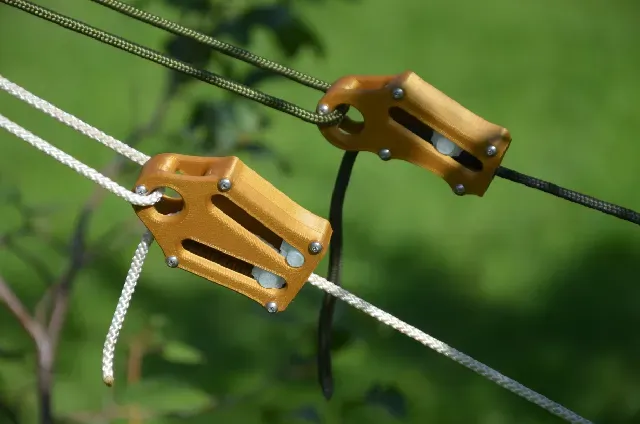
"Automatic" Paracord Rope Tensioner
Printables
This collection gathers 3D models made for paracord work: tensioners and locks, buckles and hooks, winding boards, aglets and charms. Most of them are small parts that a 3D printer handles in one short session. They are useful when you tie, shorten or finish cord and want a repeatable result instead of a knot tied by eye. Polyzon does not confirm whether models are free, their price, license, official status, affiliation, safety or fitness. Check the current terms at the source.
このコレクションの本文は英語で書かれています。検索自体はどの言語でも使えます。
 Polyzonのコレクション · モデル48件 3サイトから収集
このコレクションは、Polyzonが対応サイトの検索結果をもとに作成しています。重複やプレビューのないモデルは除外し、関連性の低いものは後ろに回し、それ以外は検索結果の順に並べています。モデルの権利は各作者にあります。利用条件は各モデルのページでご確認ください。
選定基準:Polyzon編集部 · 本文の更新日:2026年10月14日
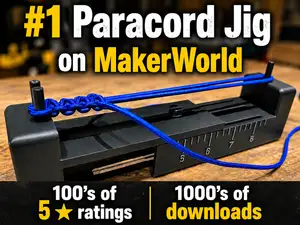

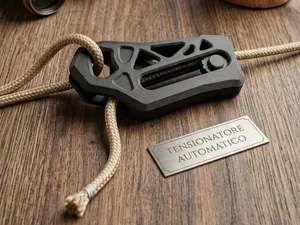
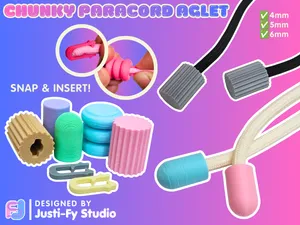

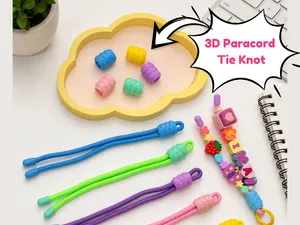

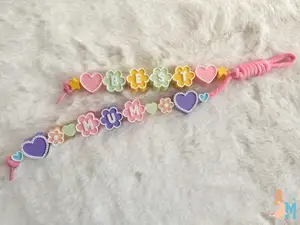
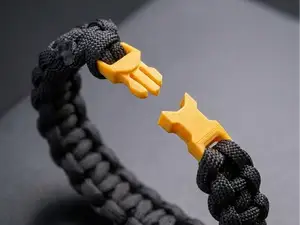
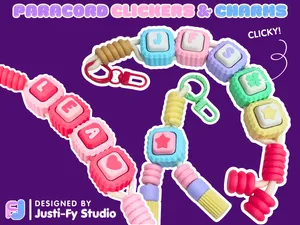
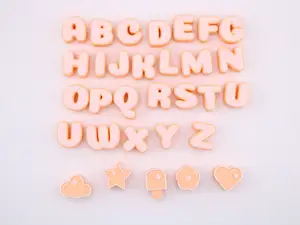

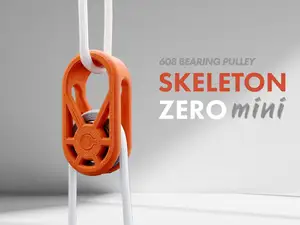


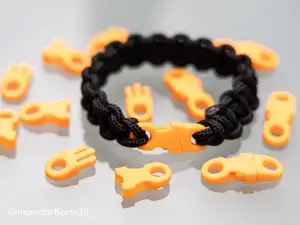
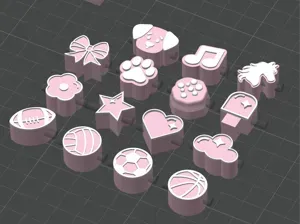
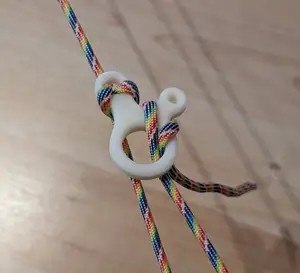

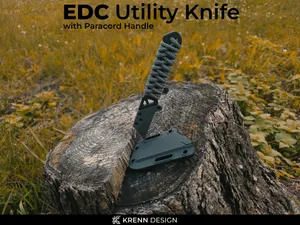
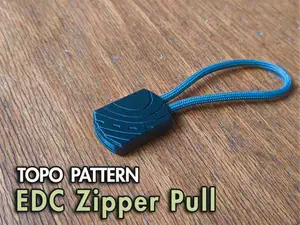
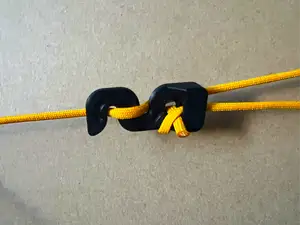
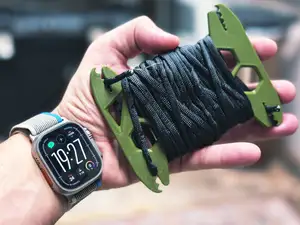

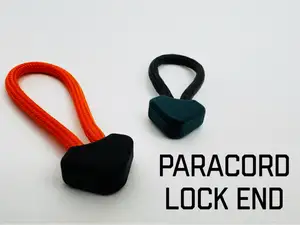


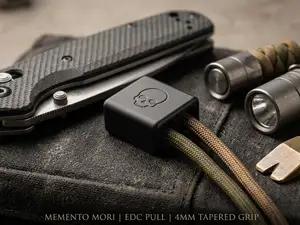

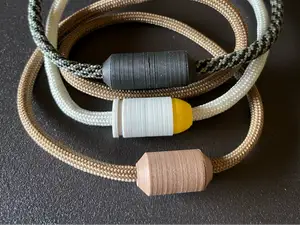
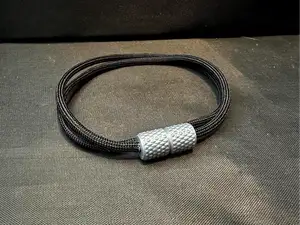
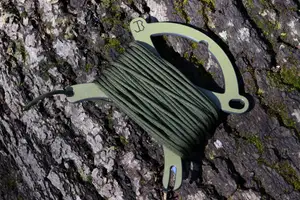
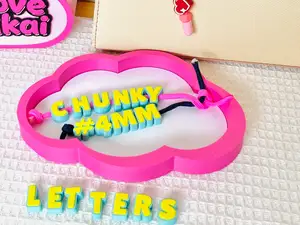

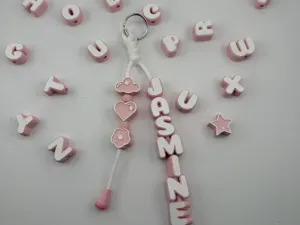
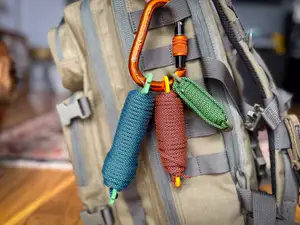
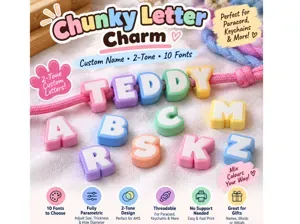
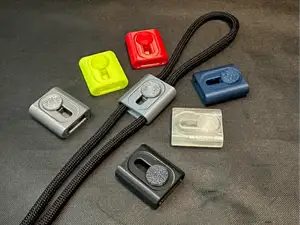

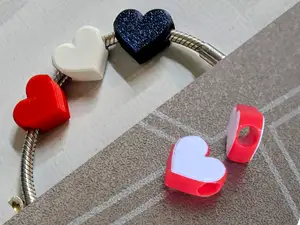
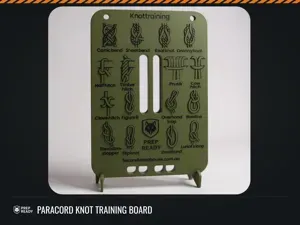
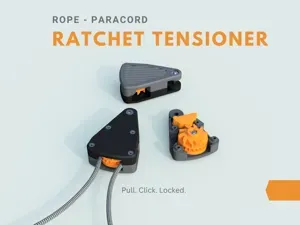
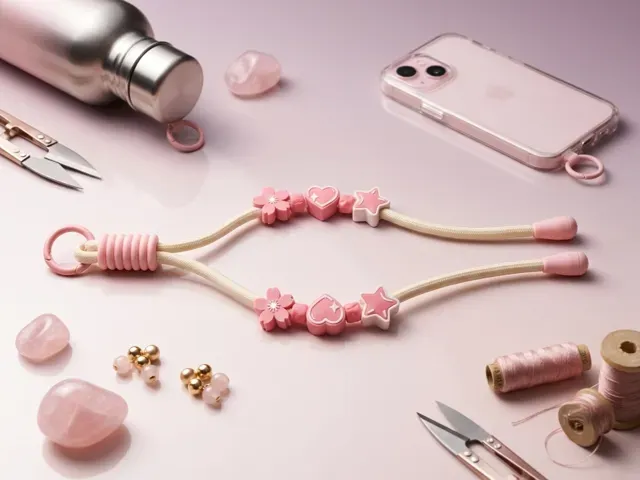
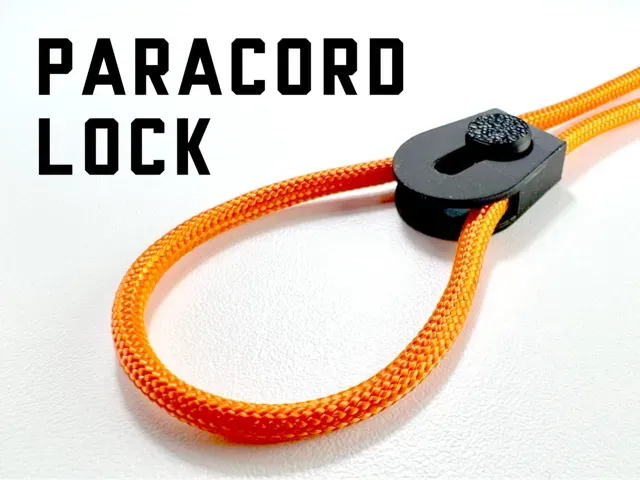
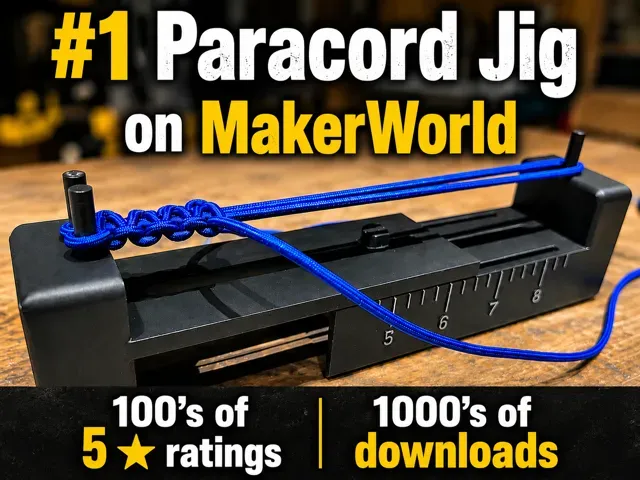
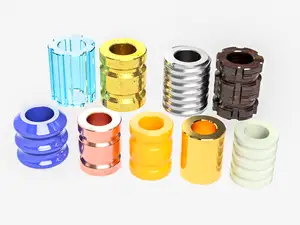
The parts fall into a few groups. Tensioners and cord locks hold a line under load, often with a spring, ratchet or snap element. Buckles, hooks and small pulleys handle attachment points, while jigs, winders and spool boards are flat aids for measuring, looping and storing cord. Aglets, letter beads and charms sit at the decorative end of the range and are usually printed in several sizes for different cord diameters.
Before printing, read the model page for the cord diameter the author designed around, since paracord comes in several thicknesses and a part made for one size may not grip another. Check the number of parts, how they join, and whether the author lists supports, layer height, material or infill. Photos of real prints show how thin walls and snap features came out, which matters more on small functional parts than on flat decorative ones.
To widen the search, try terms for the job rather than the material: cord lock, rope tensioner, line adjuster, buckle, aglet, lanyard hook, winding board. Related topics include camping and hiking gear, keychain and lanyard accessories, bracelet making, and general cord and strap hardware. Combining a function word with a size or a use case usually narrows the results faster than a single broad query.
If a model is meant to take load, look at how the cord path is routed and where the stress lands, then decide on walls and infill accordingly. For decorative pieces, orientation matters more: flat faces print cleanly, while thin loops and hooks often need supports or a different axis. Test a small part first, then adjust the settings the author mentions before printing a full set.


暮らし・日用品からCNCまで、すべてのテーマをそろえたカタログ。対応サイトを横断して検索できます。