
無料 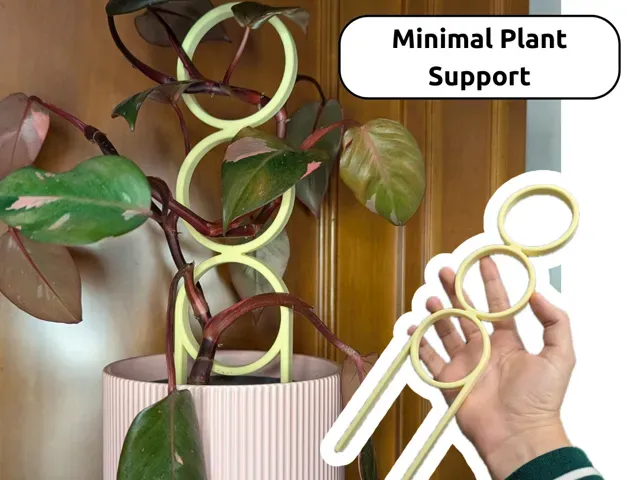
Minimalist Plant Support Trellis
MakerWorld
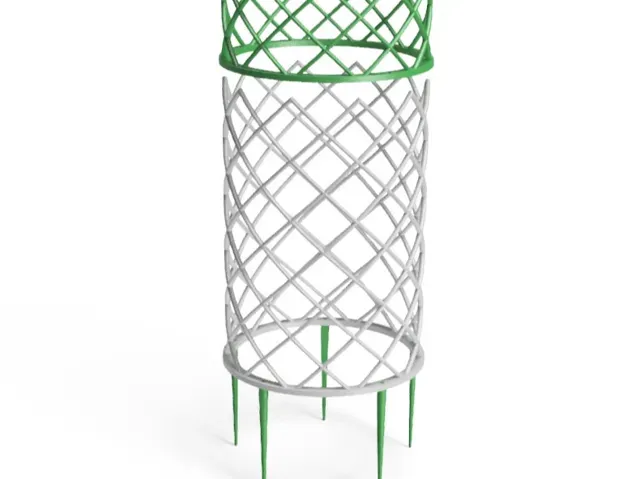
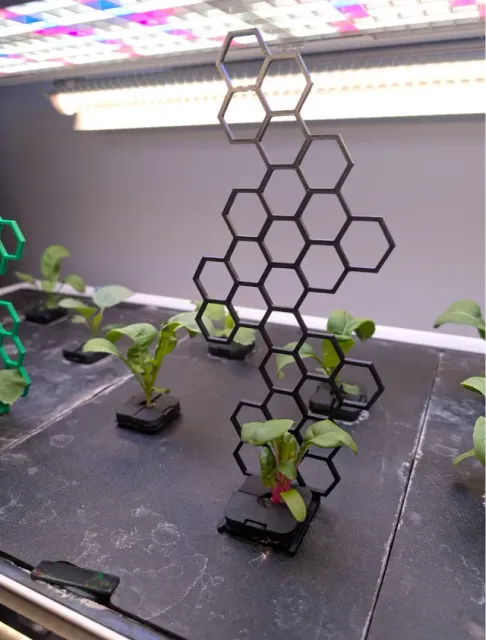
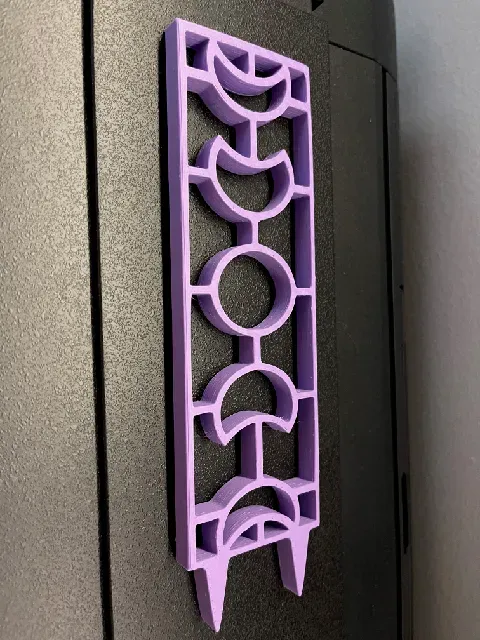
This collection gathers 3D models for plant support trellises, from modular frames and hexagonal grids to small pot-sized supports and climbing poles. The files are meant for 3D printing, so the shape, scale and joint system can be adapted to the plant and the space you have. It is a useful starting point if you want a structure that fits a specific pot or windowsill rather than a fixed store-bought size. Polyzon does not confirm whether models are free, their price, license, official status, affiliation, safety or fitness. Check the current terms at the source.
このコレクションの本文は英語で書かれています。検索自体はどの言語でも使えます。
 Polyzonのコレクション · モデル48件 4サイトから収集
このコレクションは、Polyzonが対応サイトの検索結果をもとに作成しています。重複やプレビューのないモデルは除外し、関連性の低いものは後ろに回し、それ以外は検索結果の順に並べています。モデルの権利は各作者にあります。利用条件は各モデルのページでご確認ください。
選定基準:Polyzon編集部 · 本文の更新日:2026年10月13日
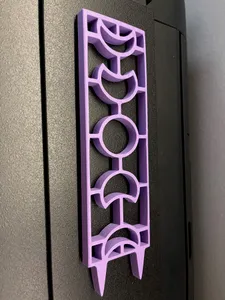

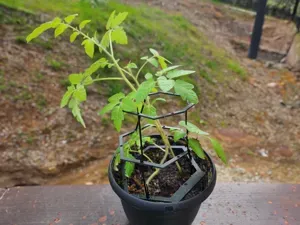
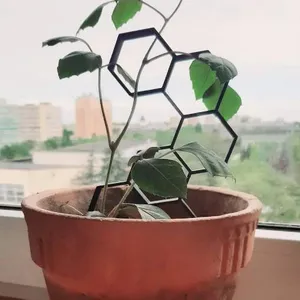
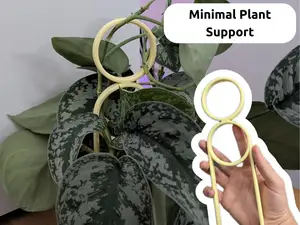


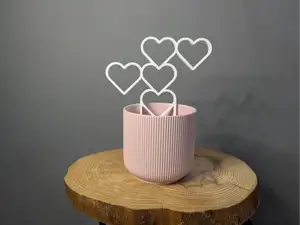
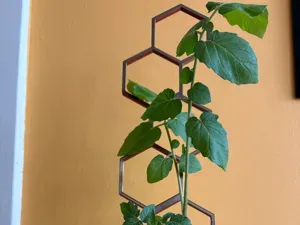
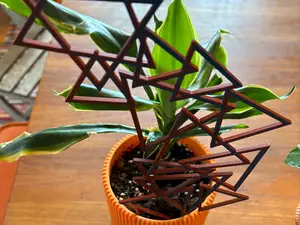

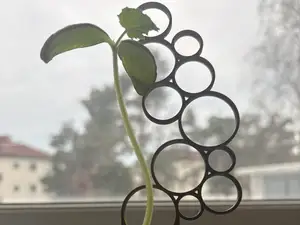

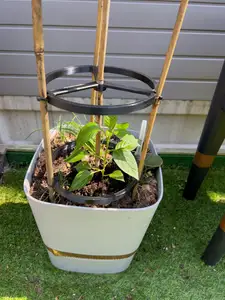
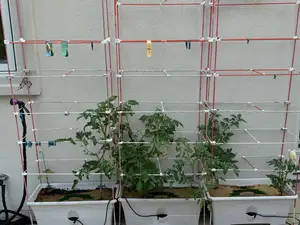


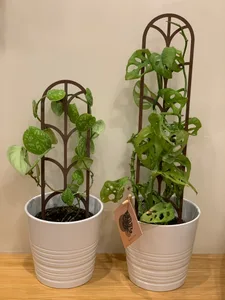
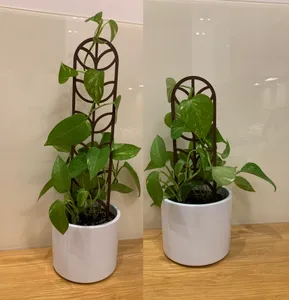
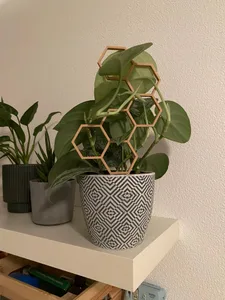

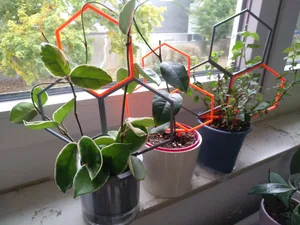
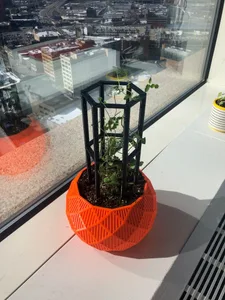
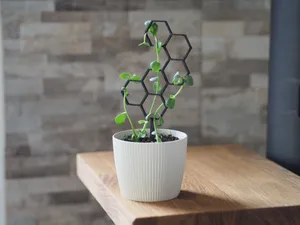


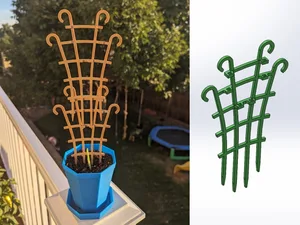
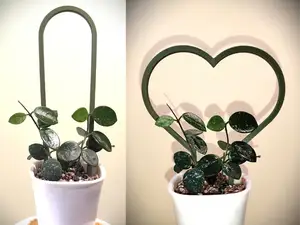
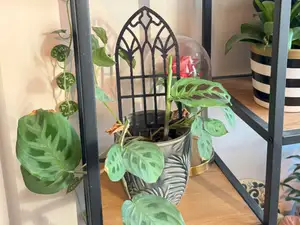
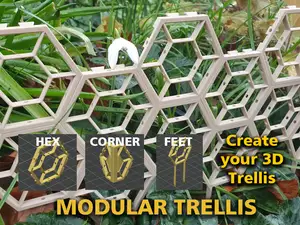

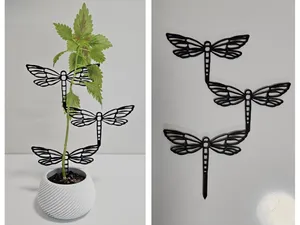
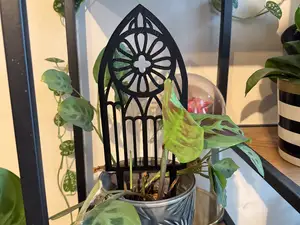
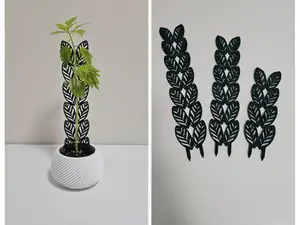
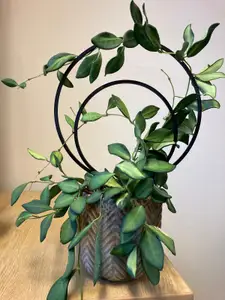

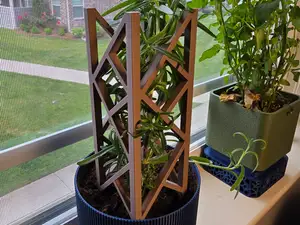
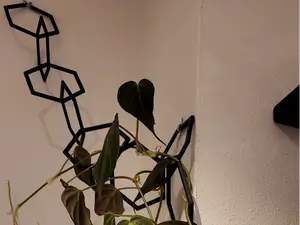
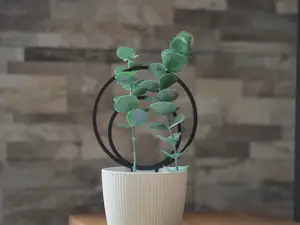
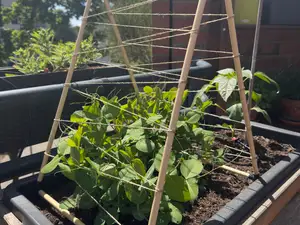


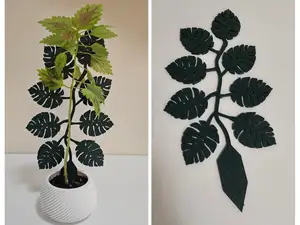
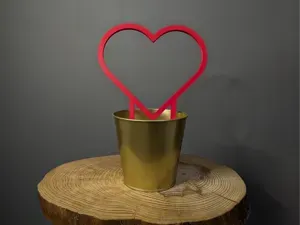
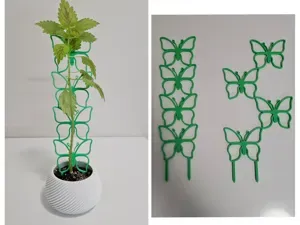
The models differ mainly in how they grow with the plant. Modular and stackable frames are built from repeated segments that clip or slot together, hexagonal and honeycomb grids use a repeating cell pattern, and tomato or vegetable supports tend to be rings, cages or upright frames. Pot-sized trellises are shorter and made to sit inside a single container, while climbing poles and moss poles give vines something vertical to grip.
When choosing a file, look at the dimensions and scale the author lists, the number of separate parts and how they connect, and whether the model needs supports during printing. Check the material and settings the author recommends, since thin lattice arms behave differently in rigid and flexible filaments. Photos of real prints on the model page show how the joints hold up and how visible the layer lines are on narrow sections.
To narrow the search, try related terms such as plant cage, climbing frame, lattice, grid, vine support or moss pole, and add the plant type, for example tomato, ivy or climbing houseplant. Words like modular, stackable, extendable or adjustable describe how a design grows, while pot, windowsill or balcony describe where it is used. Combining a shape term with a use term usually returns a shorter, more relevant list.
Before printing, decide how the structure will be anchored: some designs push into soil, others hang, clamp or stand on a surface. A taller frame usually needs a wider base or a heavier pot to stay upright as the plant grows. If a model is split into many parts, plan the print order and check that the connectors match the filament you intend to use.


暮らし・日用品からCNCまで、すべてのテーマをそろえたカタログ。対応サイトを横断して検索できます。