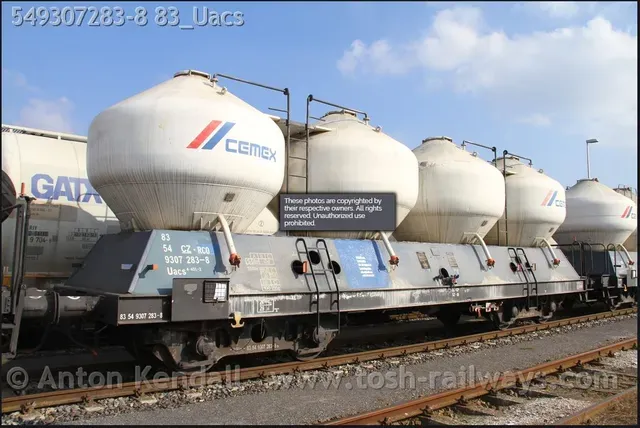

無料 
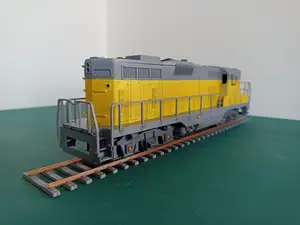
1000 Series DC Metro Subway Train 1:87 H0 Scale
Thingiverse
This collection gathers 3D models built for the 1:87 scale used in model railways. It covers rolling stock, trackside structures and the small details that fill a layout. Files are made for 3D printing, so the scale you choose decides how everything fits together. Polyzon does not confirm whether models are free, their price, license, official status, affiliation, safety or fitness. Check the current terms at the source.
このコレクションの本文は英語で書かれています。検索自体はどの言語でも使えます。
 Polyzonのコレクション · モデル47件 4サイトから収集
このコレクションは、Polyzonが対応サイトの検索結果をもとに作成しています。重複やプレビューのないモデルは除外し、関連性の低いものは後ろに回し、それ以外は検索結果の順に並べています。モデルの権利は各作者にあります。利用条件は各モデルのページでご確認ください。
選定基準:Polyzon編集部 · 本文の更新日:2026年10月11日


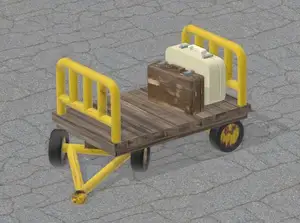


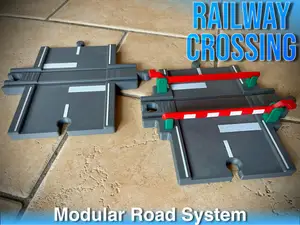




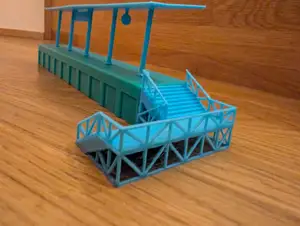


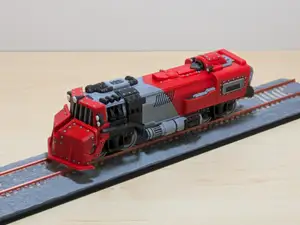

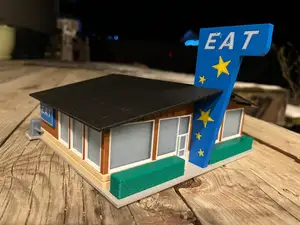


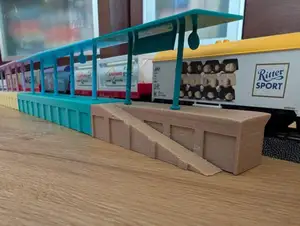
The range splits into a few clear groups. Train cars and locomotives form one, while trackside buildings such as signal towers, tunnel portals and station platforms form another. Around them sit the smaller pieces: pallets, oil drums, milk churns, pipes, figures and roadside barriers. Each group is drawn at a different level of detail, and that is usually what separates one file from another.
Before printing, open the model page and read what the author lists. Check the stated scale and overall dimensions, how many parts the file contains and whether they are meant to be glued or slotted together. Look at whether the geometry needs supports, which material the author used, and any layer height or wall thickness noted. Photos of actual prints show more about surface detail and fit than a render does.
If the results feel narrow, widen the wording. Try terms like model railway, diorama, layout accessory or trackside, and add the specific item you need, such as platform, signal or freight car. Related topics worth browsing include scale figures, road vehicles, industrial scenery and era-specific buildings, since these often sit in separate listings from the trains themselves.




暮らし・日用品からCNCまで、すべてのテーマをそろえたカタログ。対応サイトを横断して検索できます。

