
無料 
Two Cones Unique Performance Test
Thingiverse
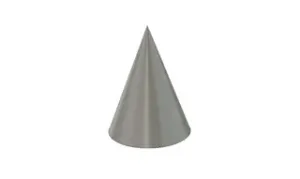
This collection gathers cone-shaped test prints used to check how a 3D printer handles temperature, retraction and fine detail. You will also find spiral and vase forms that show surface quality and filament transitions. The models are useful for quick visual comparison before larger prints. Polyzon does not confirm whether models are free, their price, license, official status, affiliation, safety or fitness. Check the current terms at the source.
このコレクションの本文は英語で書かれています。検索自体はどの言語でも使えます。
 Polyzonのコレクション · モデル48件 4サイトから収集
このコレクションは、Polyzonが対応サイトの検索結果をもとに作成しています。重複やプレビューのないモデルは除外し、関連性の低いものは後ろに回し、それ以外は検索結果の順に並べています。モデルの権利は各作者にあります。利用条件は各モデルのページでご確認ください。
選定基準:Polyzon編集部 · 本文の更新日:2026年10月14日





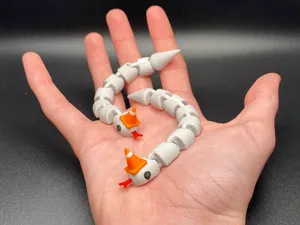


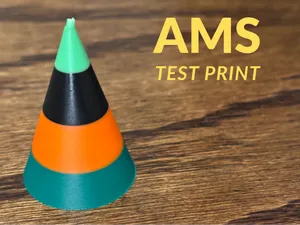


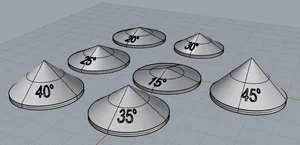
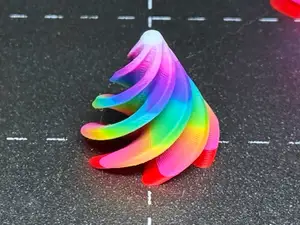


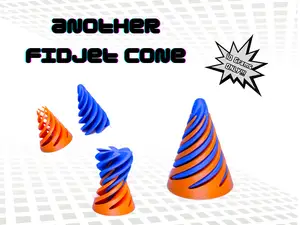


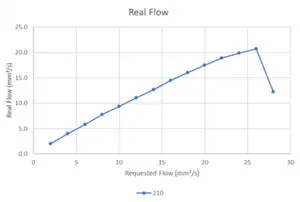
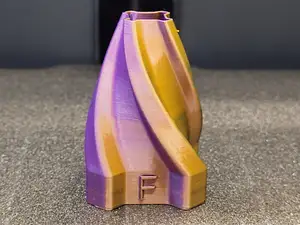


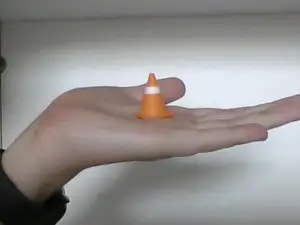


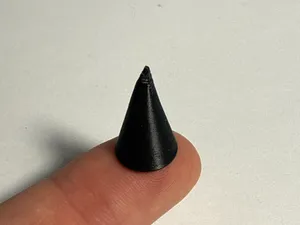


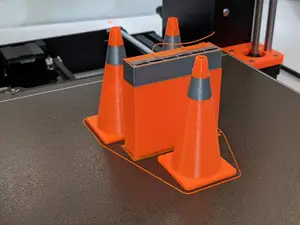
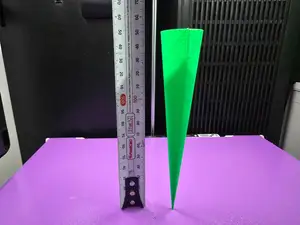





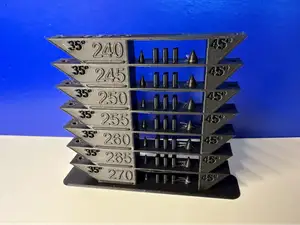
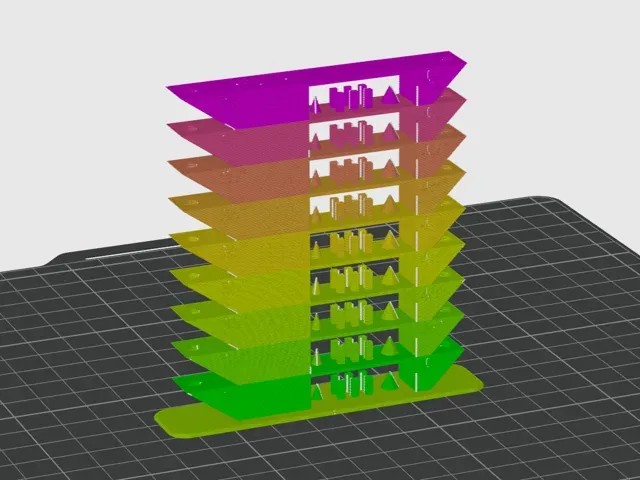
Cone-based tests often focus on different goals. Some are temperature towers with stacked sections, others are simple cones for checking resolution, and some use spiral or vase geometry to reveal surface finish and color changes. G-code benchmark sets and retraction tests belong to the same family, but they ask the printer to perform specific movements rather than only produce a shape.
When choosing a model, look at the dimensions and scale first, then at the number of parts and whether assembly is required. On the author's page, check the listed material and slicer settings, the need for supports, and photos of real prints. A cone test is most informative when you keep the same filament and settings across compared prints.
To refine a search, try synonyms such as calibration cone, temperature tower, retraction test, stringing test, benchmark print, or spiral test. Related topics include flow calibration, dimensional accuracy, overhang tests, and surface finish. Combining a broad term like test print with a specific goal usually narrows the results.




暮らし・日用品からCNCまで、すべてのテーマをそろえたカタログ。対応サイトを横断して検索できます。

