無料 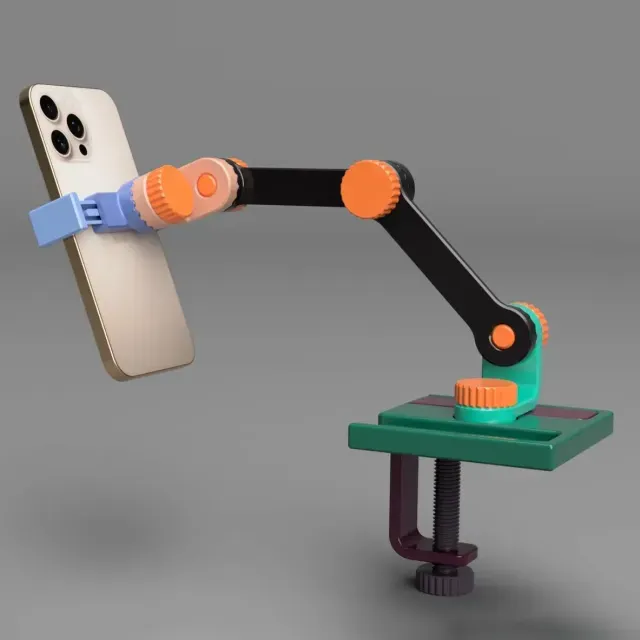
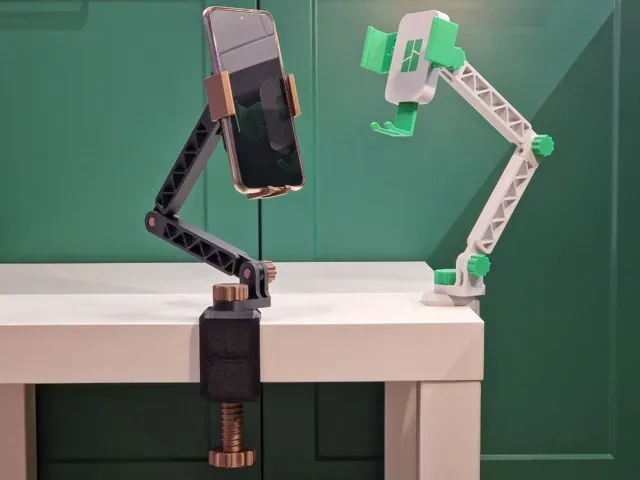
Multifunctional Arm (Phone holder)
Creality Cloud
This collection gathers 3D models of arms, from servo-driven robotic manipulators to articulated joints and flexible holders for the workbench. The files are meant for 3D printing, so the parts, joints and mounting points are already shaped around a 3D printer's build volume. It helps you find a starting point whether you need a mechanism to drive with electronics or a simple arm to hold a tool. Polyzon does not confirm whether models are free, their price, license, official status, affiliation, safety or fitness. Check the current terms at the source.
このコレクションの本文は英語で書かれています。検索自体はどの言語でも使えます。
 Polyzonのコレクション · モデル48件 9サイトから収集
このコレクションは、Polyzonが対応サイトの検索結果をもとに作成しています。重複やプレビューのないモデルは除外し、関連性の低いものは後ろに回し、それ以外は検索結果の順に並べています。モデルの権利は各作者にあります。利用条件は各モデルのページでご確認ください。
選定基準:Polyzon編集部 · 本文の更新日:2026年10月10日
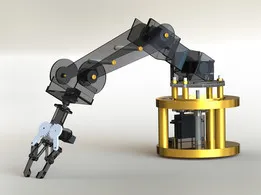


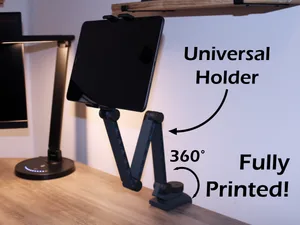
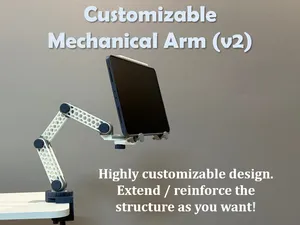
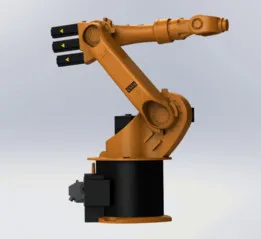


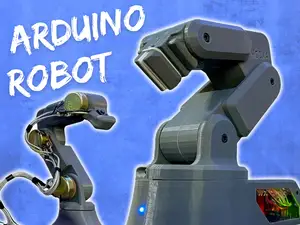




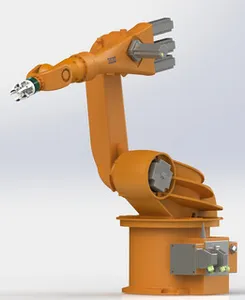
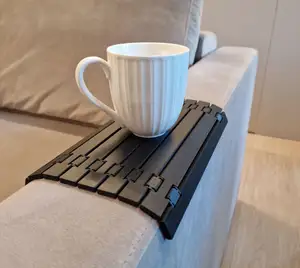


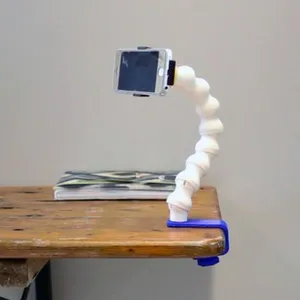


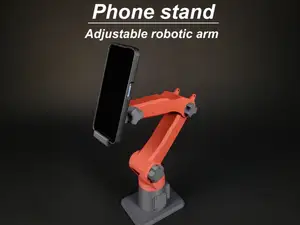
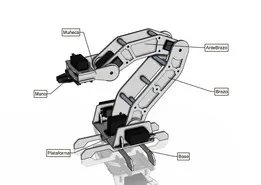
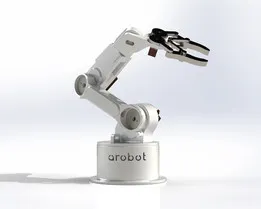
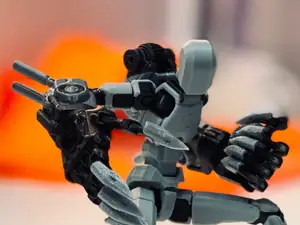


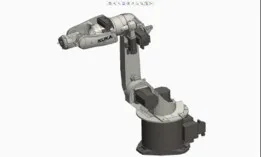
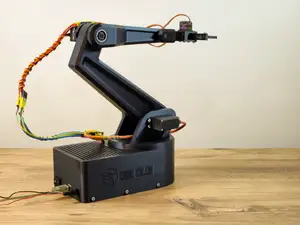
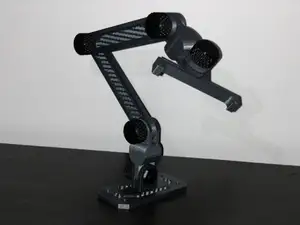

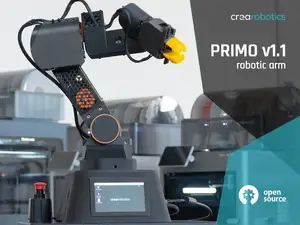


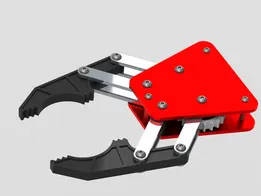


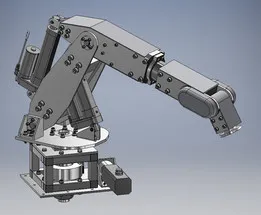
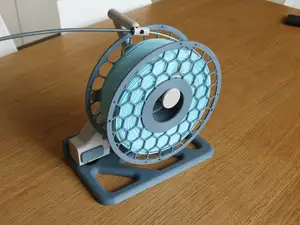
The models differ mainly in how they move and what drives them. Robotic manipulators rely on servos or other actuators and often include a base, several links and a gripper, while articulated arms use printed pivots and friction joints instead of motors. Flexible arms are a separate group: they are usually a segmented or ribbed profile that bends by hand and holds its position, which makes them useful as holders or helping hands.
When choosing a model, look at the size and scale first, since a life-size arm and a compact desktop version need very different amounts of material and space. Check the number of parts and how they are joined, whether the author lists screws, bearings or servo sizes, and whether supports are needed for the joints. The material and settings named on the model page matter as well, because thin ribs and pivot pins behave differently in rigid and flexible filaments. Photos of real prints, if the author provides them, show how the joints actually fit.
To narrow the search, try synonyms such as manipulator, gripper, holder or helping hand, and add terms like articulated, servo or Arduino depending on what you want to build. Related topics include robot chassis, servo mounts, clamps and tool holders, which often supply the parts an arm needs. If you already have a mechanism in mind, searching by the number of axes or by the type of joint can be more useful than searching by the word arm alone.



暮らし・日用品からCNCまで、すべてのテーマをそろえたカタログ。対応サイトを横断して検索できます。