無料 
Little airplane model
Thingiverse
This collection gathers 3D models of airplanes, from scale airliner replicas to gliders, toy planes and RC airframes. It is useful when you want an STL project that combines a recognizable shape with a few moving or assembled parts. Many entries also include stands, hangars or flat kit cards that go with the aircraft itself. Polyzon does not confirm whether models are free, their price, license, official status, affiliation, safety or fitness. Check the current terms at the source.
このコレクションの本文は英語で書かれています。検索自体はどの言語でも使えます。
 Polyzonのコレクション · モデル48件 4サイトから収集
このコレクションは、Polyzonが対応サイトの検索結果をもとに作成しています。重複やプレビューのないモデルは除外し、関連性の低いものは後ろに回し、それ以外は検索結果の順に並べています。モデルの権利は各作者にあります。利用条件は各モデルのページでご確認ください。
選定基準:Polyzon編集部 · 本文の更新日:2026年10月14日

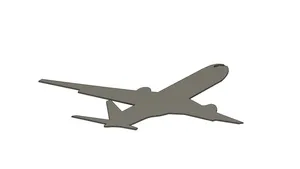
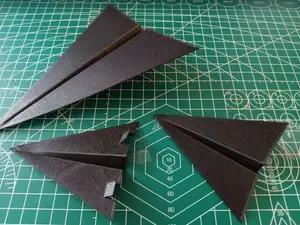
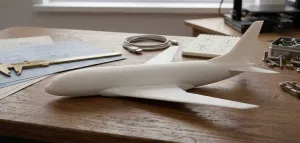


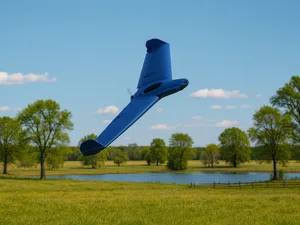
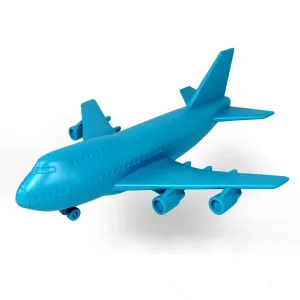

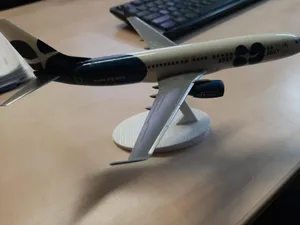
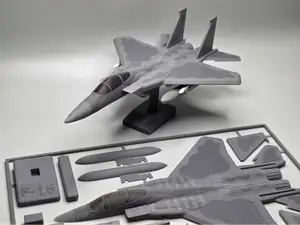

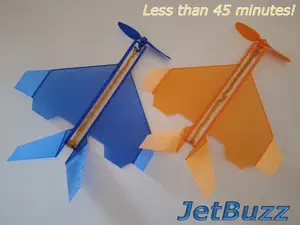
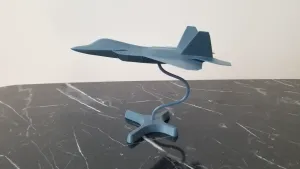

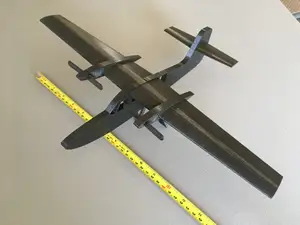
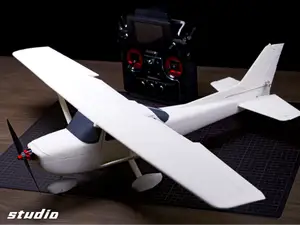
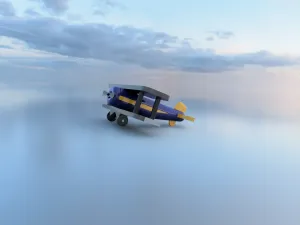


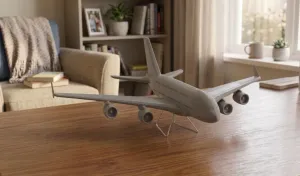

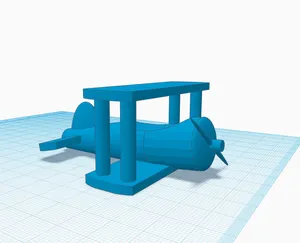
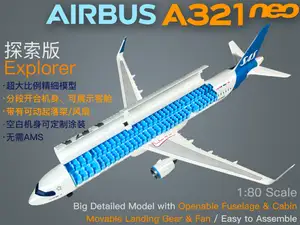
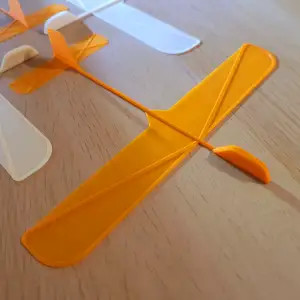

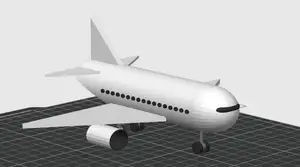
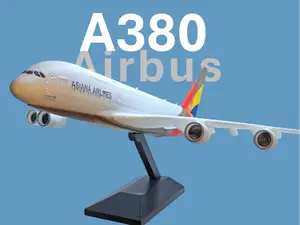
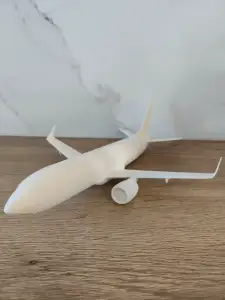

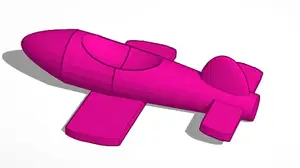
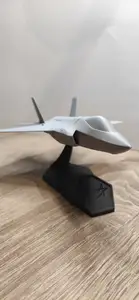
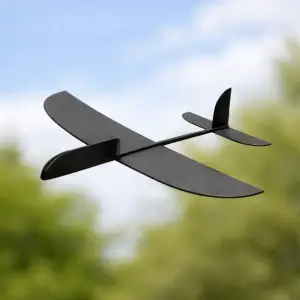


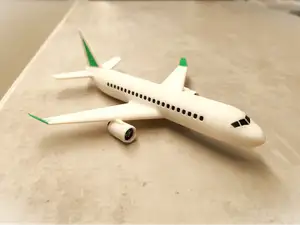
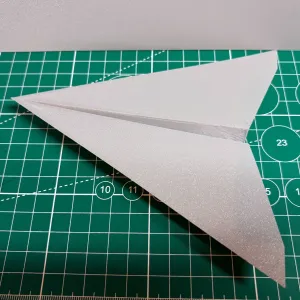


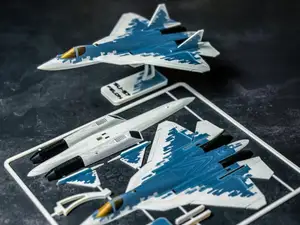
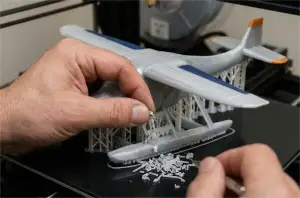
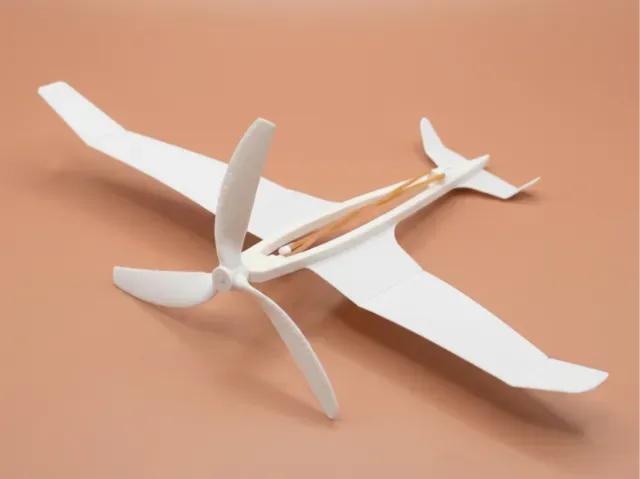
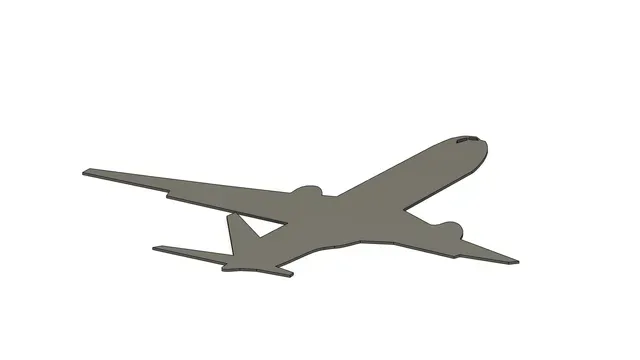
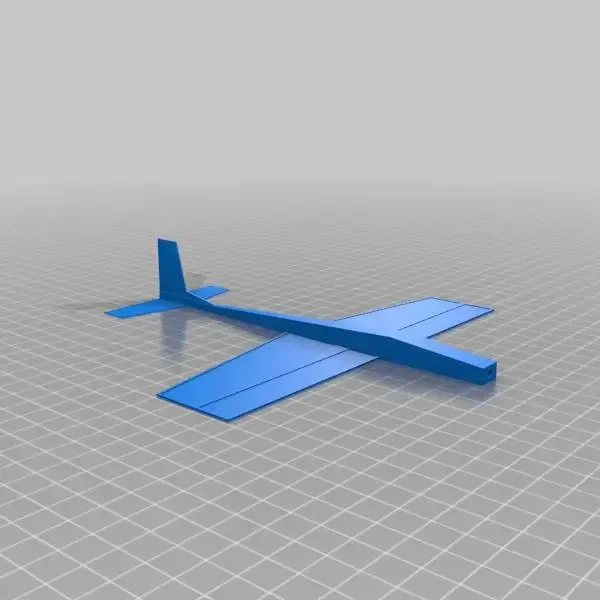
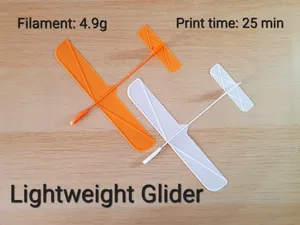
The models fall into a few groups. Static replicas of airliners and jets are usually built as a fuselage, wings and tail that you glue or snap together, while gliders and rubber-band or wind-up toys are designed around light weight and balance so they can actually fly. RC designs and their spare wings or fuselages are larger, split into more parts, and often printed in a material the author specifies. Flat kit cards and foldable planes sit at the other end: they print as a single sheet and are assembled by folding or slotting the pieces.
When you open a model page, look at how the parts are divided and whether the author expects glue, screws or snap fits. Check the stated scale and finished size, since a 1:72 replica and a hand-launched glider need very different amounts of filament and print time. Read the recommended material and layer height, and see whether supports are needed for the nose, wingtips or landing gear. Photos of real prints are the quickest way to judge how the surfaces and thin sections come out.
To widen or narrow the results, try synonyms such as aircraft, jet, airliner, glider or warbird, and add terms like kit card, stand or hangar when you want accessories. Related topics include drones, rockets, airports and dioramas, and searching by scale or by aircraft type usually filters the list faster than browsing it. If a model is meant to fly or to be launched, look for variants of the same design that differ in weight or wing thickness.




暮らし・日用品からCNCまで、すべてのテーマをそろえたカタログ。対応サイトを横断して検索できます。