

無料 
Maverick Scout to Axial SCX10 Motor Chassis Skid Plate
Thingiverse
This collection gathers 3D models built around skid plates and similar protective plates: chassis skids for RC crawlers, bumper and underbody replacements, drone landing skids, faceplates and plates for household appliances. Most of these parts are flat, low-profile pieces, so they are a practical subject for 3D printing on a home 3D printer. The variety comes from the mounting points and the scale rather than from the shape itself. Polyzon does not confirm whether models are free, their price, license, official status, affiliation, safety or fitness. Check the current terms at the source.
このコレクションの本文は英語で書かれています。検索自体はどの言語でも使えます。
 Polyzonのコレクション · モデル48件 4サイトから収集
このコレクションは、Polyzonが対応サイトの検索結果をもとに作成しています。重複やプレビューのないモデルは除外し、関連性の低いものは後ろに回し、それ以外は検索結果の順に並べています。モデルの権利は各作者にあります。利用条件は各モデルのページでご確認ください。
選定基準:Polyzon編集部 · 本文の更新日:2026年10月14日




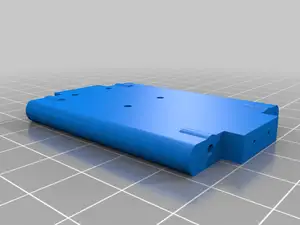
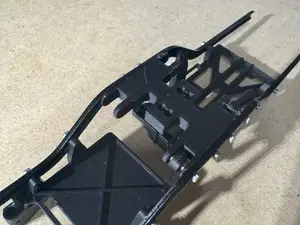


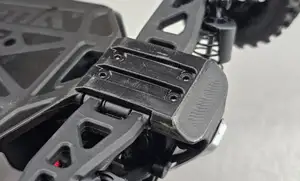


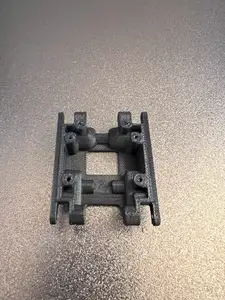


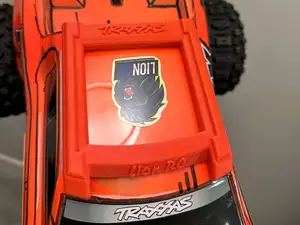


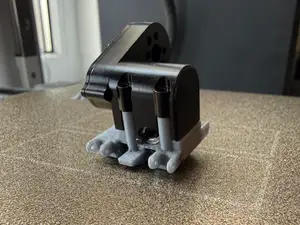


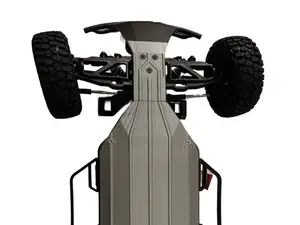


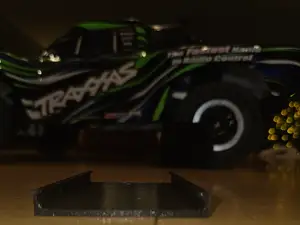


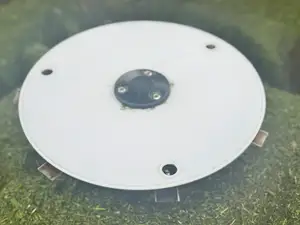


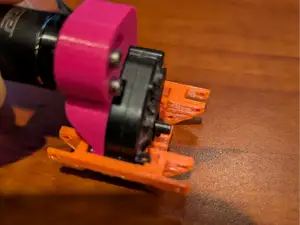


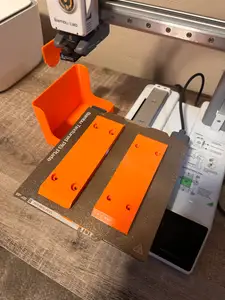


The models fall into a few recognizable groups. RC crawler and buggy skids are usually flat-bottomed plates that bolt under the chassis, sometimes described as high-clearance versions of a stock part. Drone landing skids are printed as legs or rails, often in one piece. Faceplates and armor-style plates are layered decorative or protective shells, while appliance and tool plates cover handles, housings or floor-cleaner bases.
Before printing, open the author's page and compare the mounting holes, screw spacing and overall thickness with the part you want to replace. Check how many pieces the model has and whether they are meant to be glued or screwed together, and whether the author lists supports, material and print orientation. Look at photos of real prints to judge how the plate sits on the chassis and how much material sits around the screw holes.
If a search returns little, try related wording: underbody guard, chassis brace, bumper replacement, landing gear, faceplate or protective cover. Adding scale or class terms such as 1/10, 1/18 or 1/24, or the type of vehicle, narrows results quickly. Combining a part name with a material or a printing method also surfaces remixes and alternative versions of the same idea.
Skid plates are usually printed flat, so layer direction matters: a plate printed on its face puts layer lines across the thickness and can split along them under impact. Thicker walls and a higher infill help on parts that scrape the ground, while flexible materials are common for landing skids and covers that clip on. If a model is split into several parts, dry-fit them before final assembly.


暮らし・日用品からCNCまで、すべてのテーマをそろえたカタログ。対応サイトを横断して検索できます。

