
無料 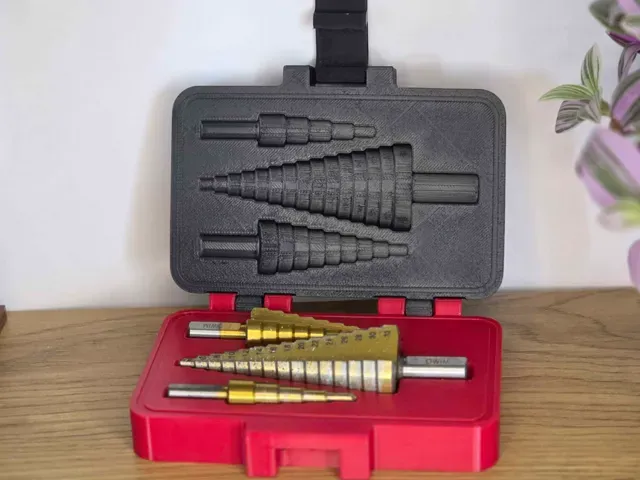
Rugged Step Drill Bit Case - Print-in-Place!
MakerWorld
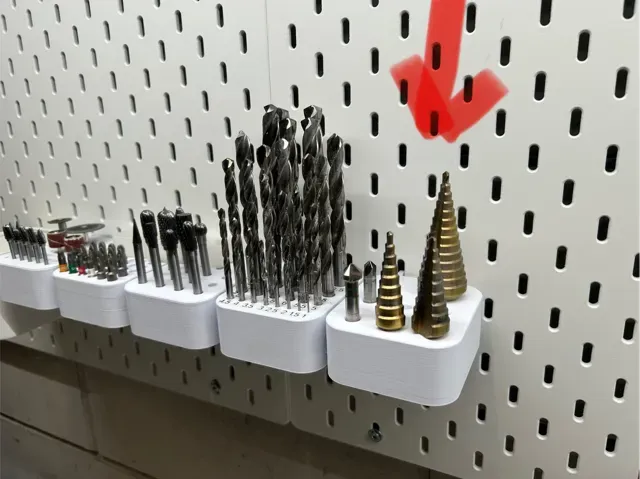
This collection gathers 3D printing projects built around stepped cone bits: modular tray inserts, wall racks, protective cases and a few parametric models of the bit itself. It is useful if you keep a set of these bits in a workshop drawer, on a board or in a case and want a place for each one. Most files are small parts, so they fit an average 3D printer build plate without splitting. Polyzon does not confirm whether models are free, their price, license, official status, affiliation, safety or fitness. Check the current terms at the source.
このコレクションの本文は英語で書かれています。検索自体はどの言語でも使えます。
 Polyzonのコレクション · モデル48件 5サイトから収集
このコレクションは、Polyzonが対応サイトの検索結果をもとに作成しています。重複やプレビューのないモデルは除外し、関連性の低いものは後ろに回し、それ以外は検索結果の順に並べています。モデルの権利は各作者にあります。利用条件は各モデルのページでご確認ください。
選定基準:Polyzon編集部 · 本文の更新日:2026年10月13日

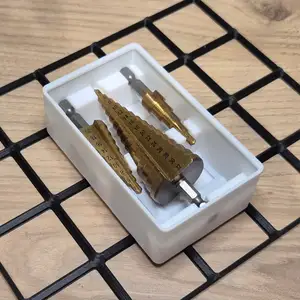
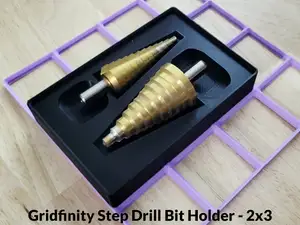

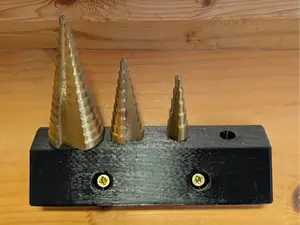
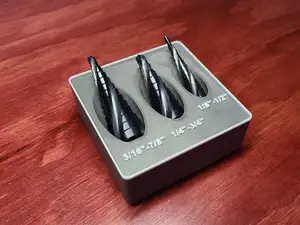

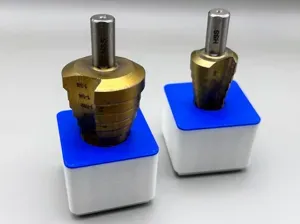

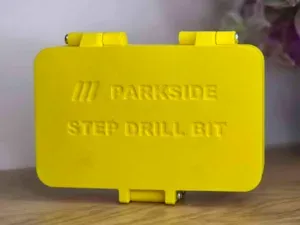
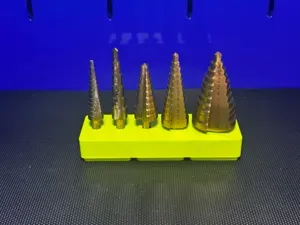
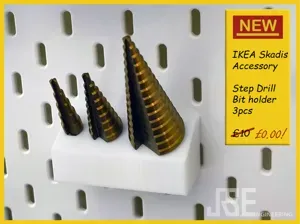
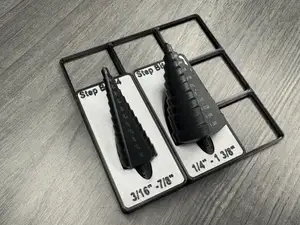


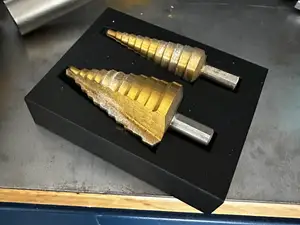


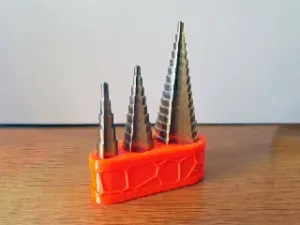
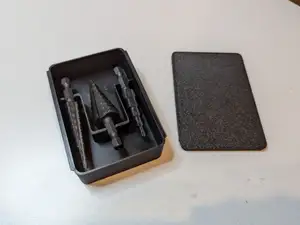
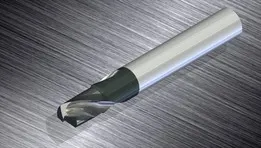
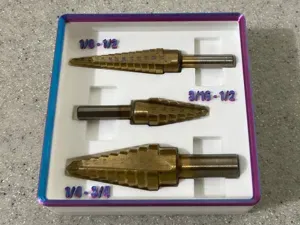


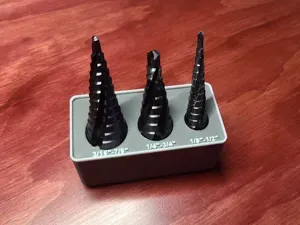
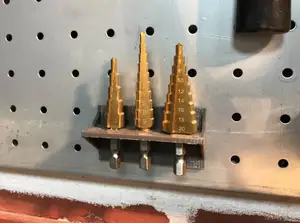
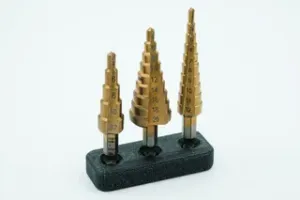

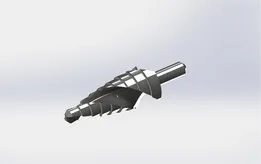
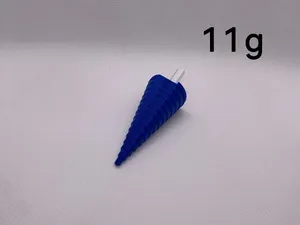


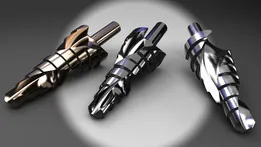
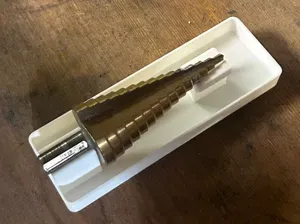
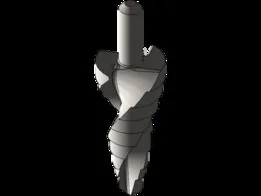
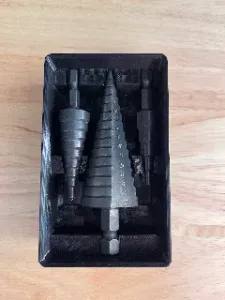


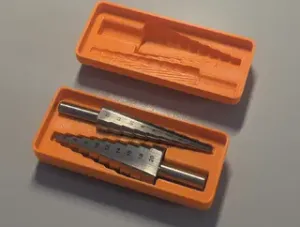
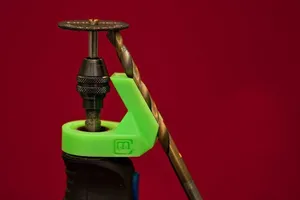
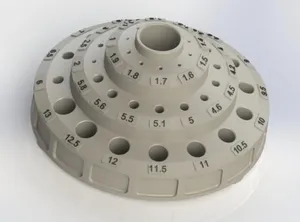
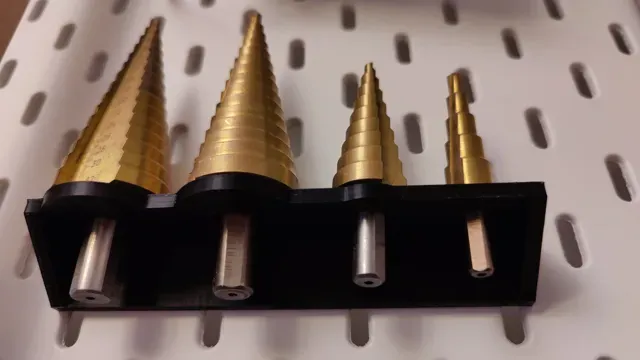
The models differ mainly in how the bit is held and where the holder lives. Modular inserts are sized to a specific bin footprint and often stack, so several can sit side by side in a drawer system. Wall organizers hang on a perforated board or a rail and hold the bits vertically or at an angle. Cases enclose the whole set, sometimes with a lid or a latch, and are the bulkiest option. Parametric files let you set the diameter range and step spacing yourself, while a few models reproduce the bit as a reference piece rather than a tool.
Before printing, open the author's model page and read what is listed there. Check the diameter range and shank size the holder is drawn for, since sets vary in how many steps they have and how wide the largest step is. Look at the number of separate parts, whether they need glue or screws, and whether the author notes that supports are required. The material and settings the author lists, plus photos of real prints, tell you more about fit than the render does. Tolerance matters most: a slot that grips a metal shank tightly on one printer may be loose on another, so a test print of one cavity is a reasonable first step.
If the results feel narrow, try other names for the same tool: step bit, cone bit, unibit, tapered bit or countersink. Searching by the storage system rather than the tool also helps, for example drawer inserts, pegboard racks or tool box trays. Related topics worth opening are drill bit organizers, workshop wall storage, bit sharpening aids and hex shank adapters, since holders for those often share the same mounting pattern. Combining a tool word with a mounting word usually narrows the list faster than either word alone.
暮らし・日用品からCNCまで、すべてのテーマをそろえたカタログ。対応サイトを横断して検索できます。