無料 
Straight Tube Wheelchair Clamp
Thingiverse
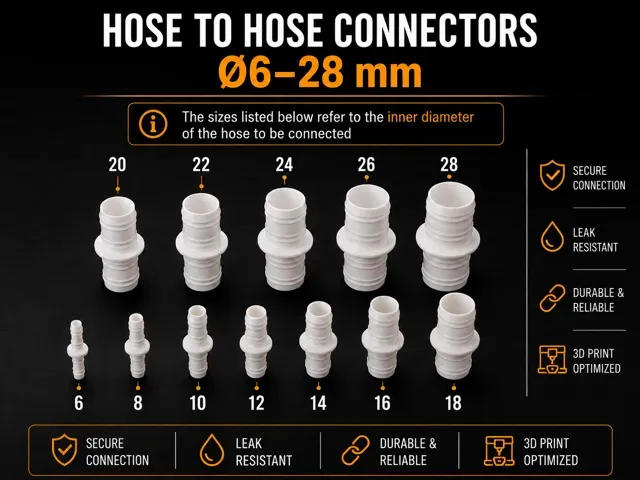
This collection gathers 3D models built around straight tubing: connectors and joiners, guides that route a tube through a panel, clamps and holders, and small tools for checking or straightening a length of tube. Most of them are simple parts that print in one piece, which makes them a practical starting point if you are setting up a filament path or organising hoses and cables. Each listing comes from its original platform, so the model page is where you confirm dimensions and print settings. Polyzon does not confirm whether models are free, their price, license, official status, affiliation, safety or fitness. Check the current terms at the source.
このコレクションの本文は英語で書かれています。検索自体はどの言語でも使えます。
 Polyzonのコレクション · モデル47件 4サイトから収集
このコレクションは、Polyzonが対応サイトの検索結果をもとに作成しています。重複やプレビューのないモデルは除外し、関連性の低いものは後ろに回し、それ以外は検索結果の順に並べています。モデルの権利は各作者にあります。利用条件は各モデルのページでご確認ください。
選定基準:Polyzon編集部 · 本文の更新日:2026年10月15日

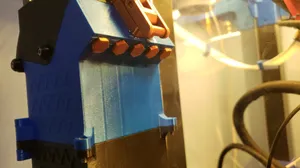
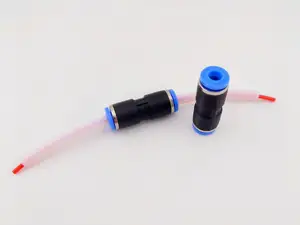
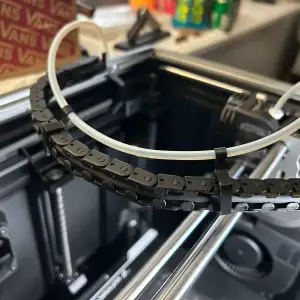


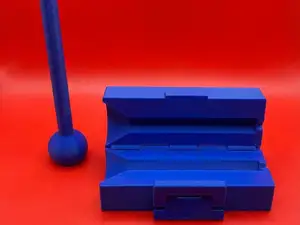
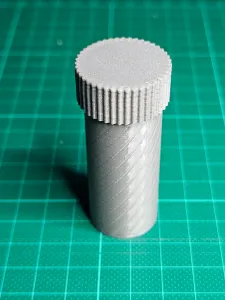

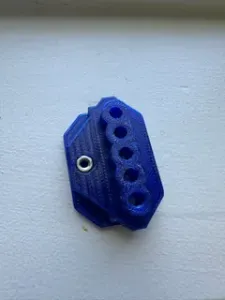
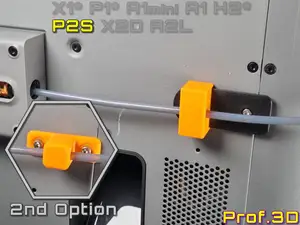
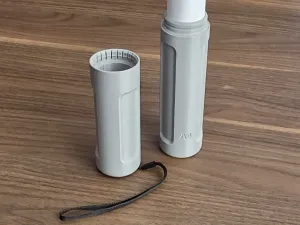


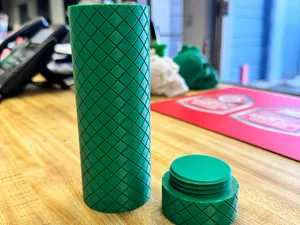
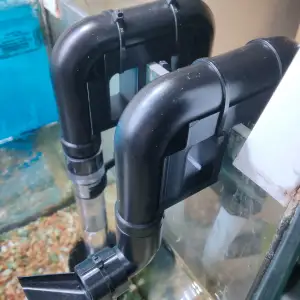


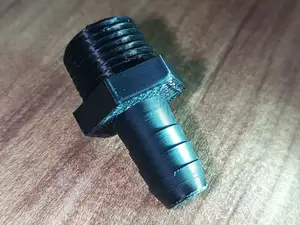
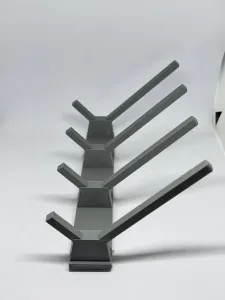


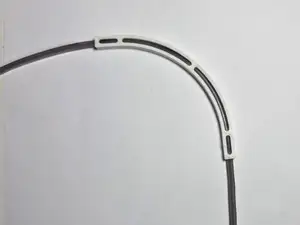
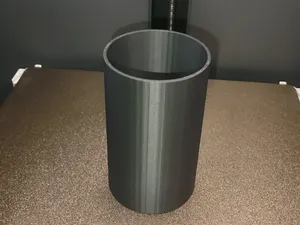
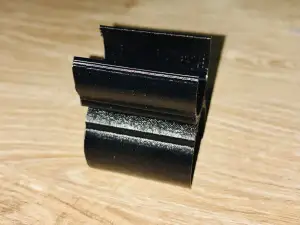


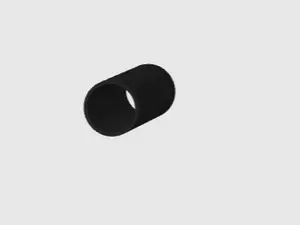
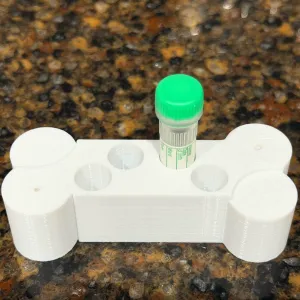


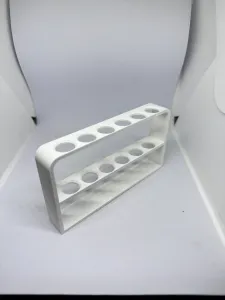


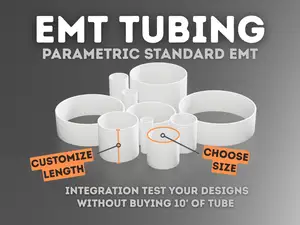
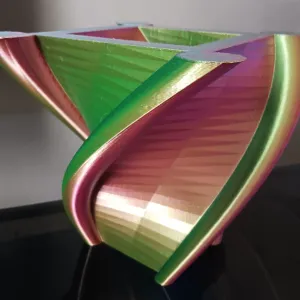

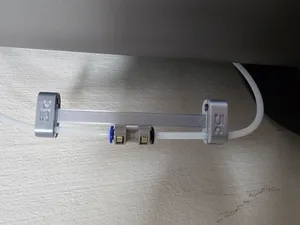
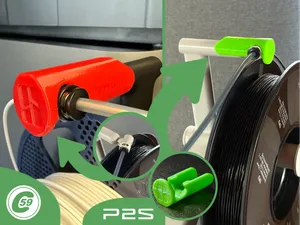
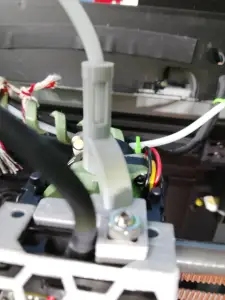
The models fall into a few groups that behave differently in use. Joiners and quick connectors join two lengths of tube or adapt one diameter to another, so their value is in the bore and the thread or barb they carry. Guides and pass-throughs are usually flat plates or brackets with a hole, made to keep a tube running straight through an enclosure wall or a frame. Clamps, clips and holders grip a tube against a surface, and straightness checkers or straighteners are hand tools rather than parts of a tube run.
Before printing, read the model page for the dimensions that matter: inner and outer diameter, wall thickness, thread size and the length of the part. Check how the author oriented it, whether supports are needed, and which material and settings they list, since a fitting that takes a push-in connector needs a stiffer plastic than a decorative tube. Photos of real prints are the quickest way to judge whether the tolerances will hold on your 3D printer, and a small test print of the critical section is often worth the time.
If the results feel narrow, widen the wording rather than the topic. Try tubing, hose, pipe, rod, coupler, adapter, pass-through, clip or bracket instead of tube alone, and add the diameter or the thread you need. Related searches such as filament path, cable routing, bowden setup or hose management bring up parts that do the same job under a different name.
Straight tube parts are rarely interesting on their own, but they solve a specific problem: keeping a line tidy, aligned or connected. Decide first whether you need a joint, a guide or a grip, then filter by the tube size you actually have in hand.


暮らし・日用品からCNCまで、すべてのテーマをそろえたカタログ。対応サイトを横断して検索できます。