無料 
DIYbio Центрифуга V 2.0
Cults3D
This collection gathers 3D models built around centrifuges and the parts that go with them, from hand-powered lab devices to tube holders and puzzle boxes that use centrifugal force. It is useful if you are looking for STL files for laboratory accessories or for a mechanical novelty to print. Most entries are small, so they fit a typical 3D printer bed without scaling. Polyzon does not confirm whether models are free, their price, license, official status, affiliation, safety or fitness. Check the current terms at the source.
このコレクションの本文は英語で書かれています。検索自体はどの言語でも使えます。
 Polyzonのコレクション · モデル48件 7サイトから収集
このコレクションは、Polyzonが対応サイトの検索結果をもとに作成しています。重複やプレビューのないモデルは除外し、関連性の低いものは後ろに回し、それ以外は検索結果の順に並べています。モデルの権利は各作者にあります。利用条件は各モデルのページでご確認ください。
選定基準:Polyzon編集部 · 本文の更新日:2026年10月13日
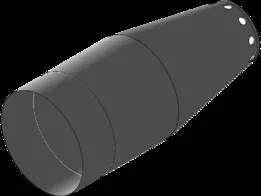

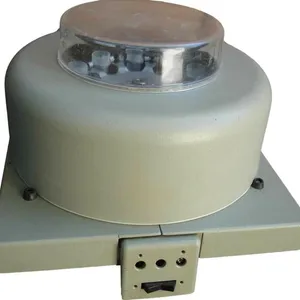
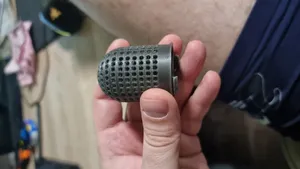


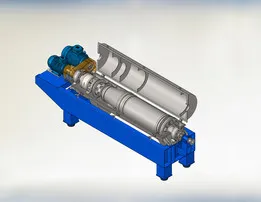
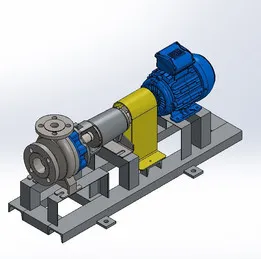
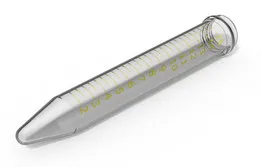


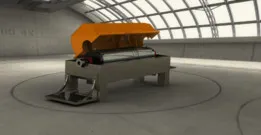

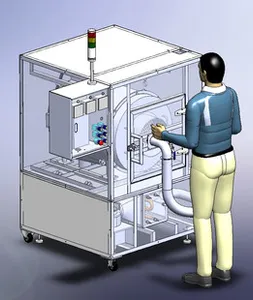

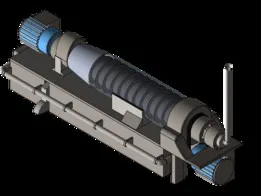
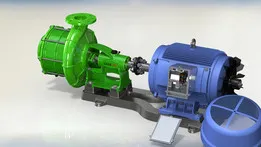


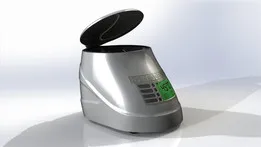


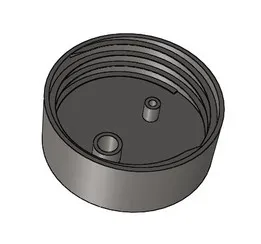


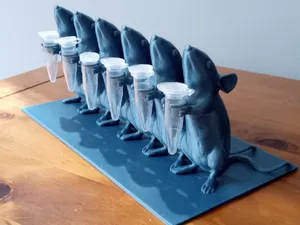


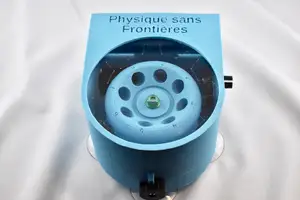





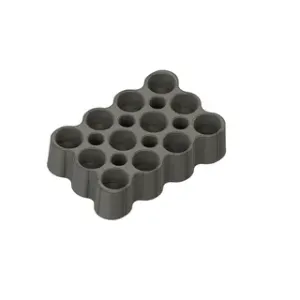

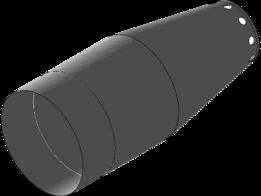
The models fall into a few groups. One is working lab hardware: hand-powered or water-driven centrifuges, often assembled from several printed parts plus bearings or a shaft. Another is labware support — holders, angled racks and adapters sized for common tube formats such as 15 mL and 50 mL conical tubes or small microcentrifuge tubes. A third group is decorative or mechanical: caps with extra ports, spinning tops, and puzzle boxes whose lid releases when the box is spun.
When choosing a model, start with the dimensions the author lists: tube diameter and length, rotor radius, and the overall footprint. Check how many parts are involved, how they join, and whether the author notes supports, infill or a specific filament. For anything that spins, look at how the mass is distributed and whether the design includes a counterweight or a symmetric rotor layout. Photos of real prints on the model page usually show more than the render.
Search results for this topic are mixed, so it helps to try several phrasings: centrifuge rotor, tube rack, adapter, microcentrifuge, labware, or the tube brand names that appear in titles. Related topics include laboratory equipment, DIYbio hardware, spinning tops and centrifugal puzzle boxes, which often sit under different keywords than the centrifuge models themselves.




暮らし・日用品からCNCまで、すべてのテーマをそろえたカタログ。対応サイトを横断して検索できます。

