無料 
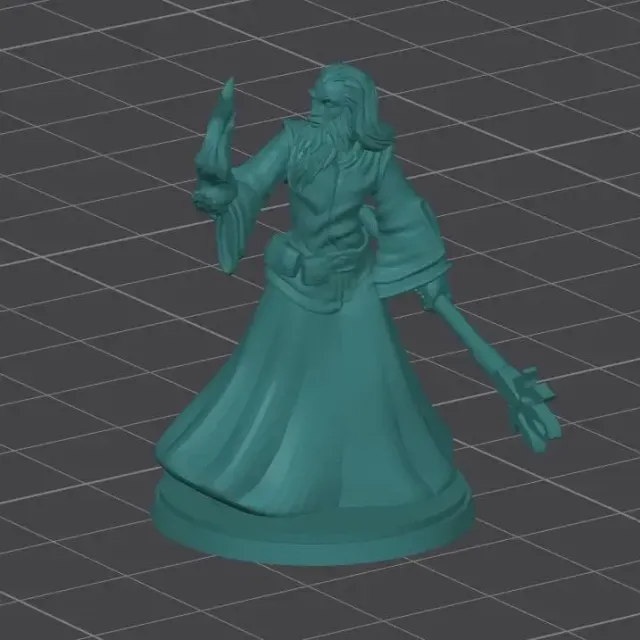
mindflayer wizard - dnd monster
Thingiverse
This collection gathers wizard-themed 3D models for DnD and other tabletop games, from single character figures to dioramas and table accessories. Most files are built for resin or filament 3D printing at miniature scale, and the range covers human, elven, monstrous and animal mages. It helps you match a character concept or fill a role in an encounter. Polyzon does not confirm whether models are free, their price, license, official status, affiliation, safety or fitness. Check the current terms at the source.
このコレクションの本文は英語で書かれています。検索自体はどの言語でも使えます。
 Polyzonのコレクション · モデル48件 4サイトから収集
このコレクションは、Polyzonが対応サイトの検索結果をもとに作成しています。重複やプレビューのないモデルは除外し、関連性の低いものは後ろに回し、それ以外は検索結果の順に並べています。モデルの権利は各作者にあります。利用条件は各モデルのページでご確認ください。
選定基準:Polyzon編集部 · 本文の更新日:2026年10月12日


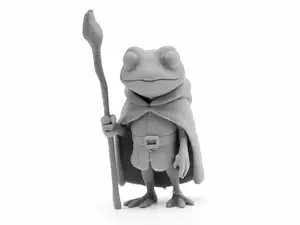
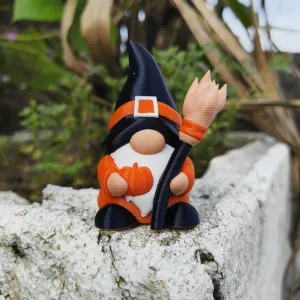


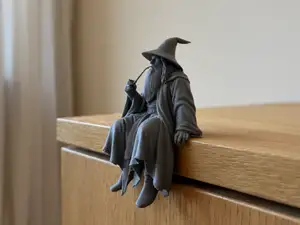
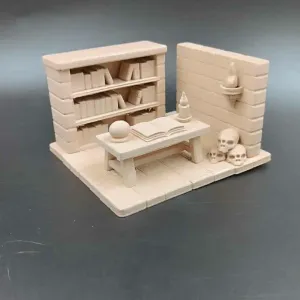

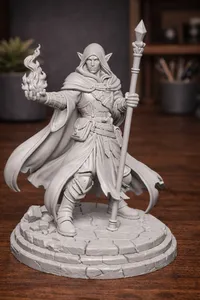
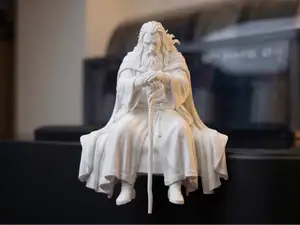


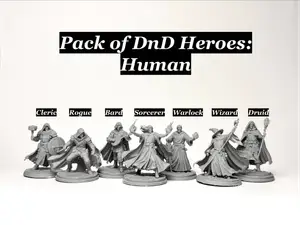
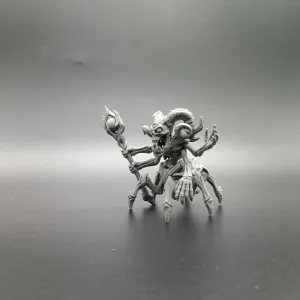


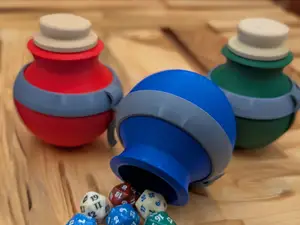
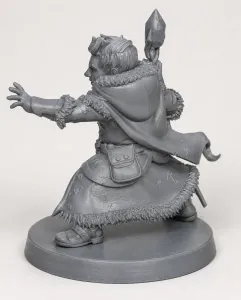


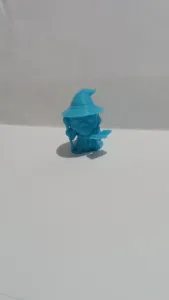

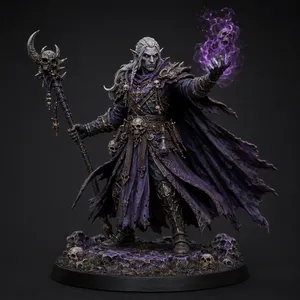
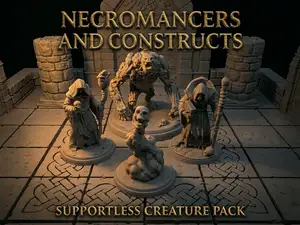
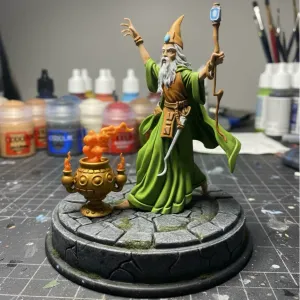


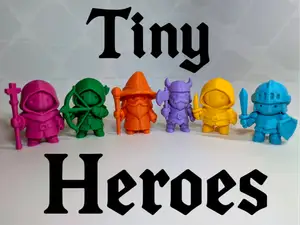
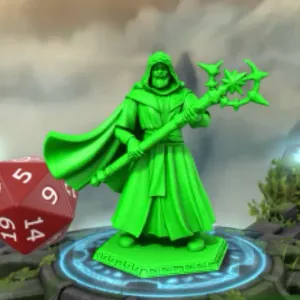


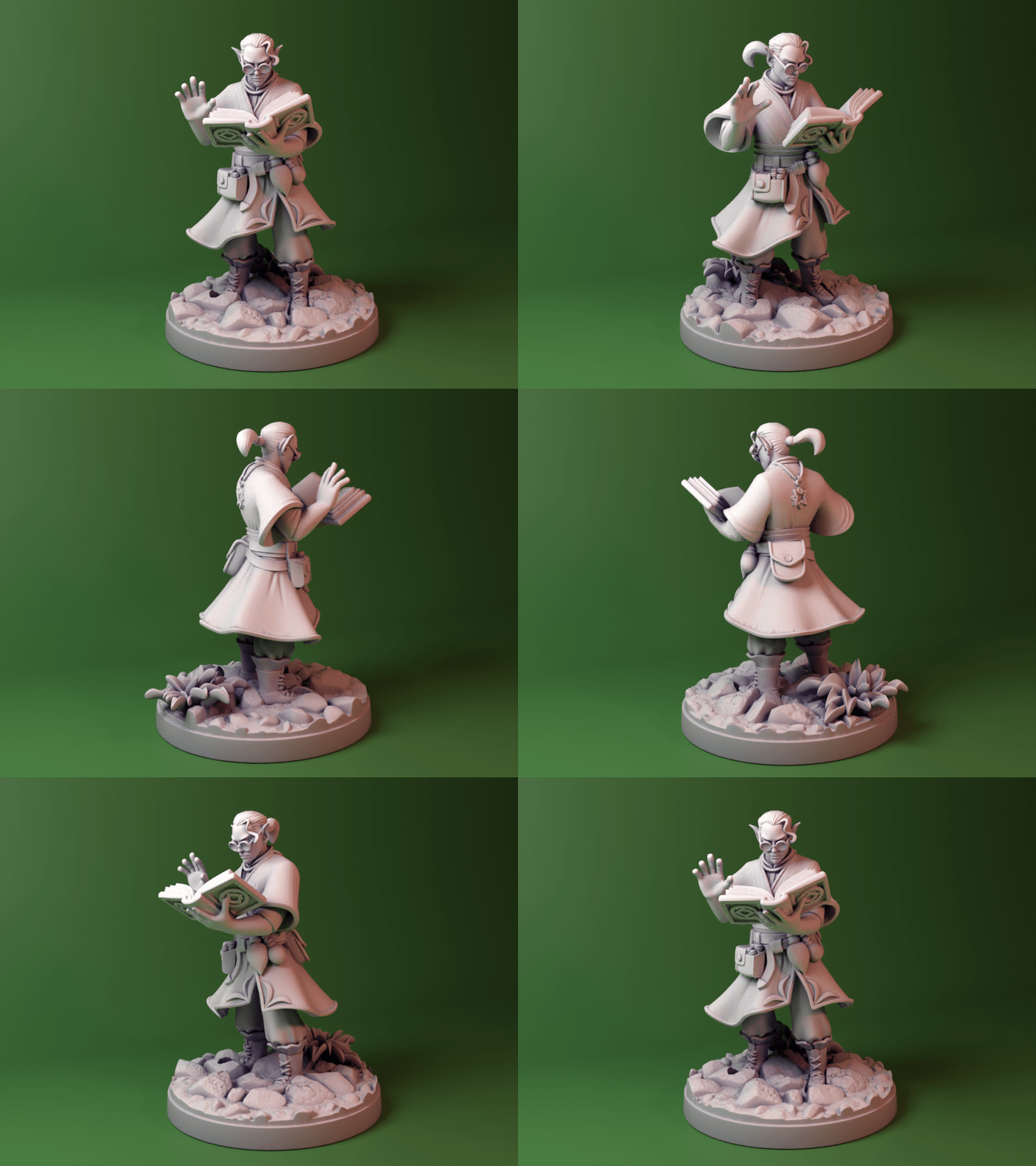
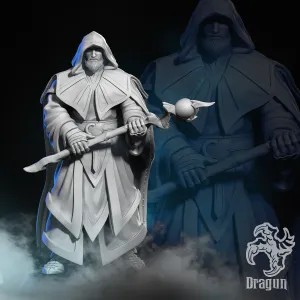
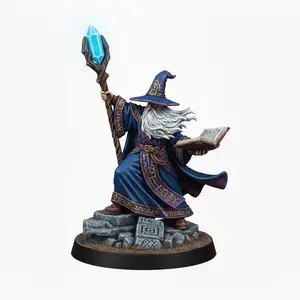
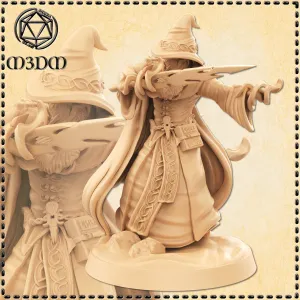

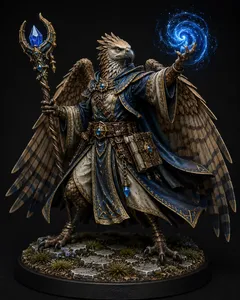
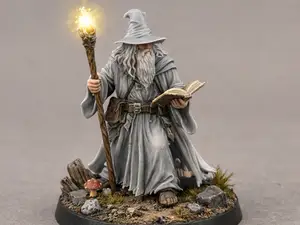
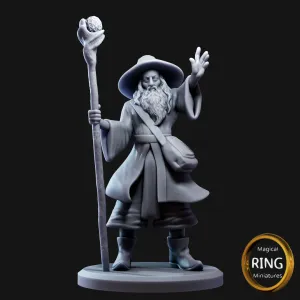

Character miniatures make up the largest group: human, female and elven wizards, often holding a staff or caught mid-gesture. Beside them sit monstrous and undead casters, such as mindflayer or spider-demon wizards, which read as antagonists rather than player characters. Animal and novelty wizards form a third group, with frog, gnome and ravenfolk variants that work well as comic relief or minor NPCs. Scenery pieces, from a wizard's workshop diorama to dice holders, support the table instead of the grid.
Before printing, open the author's model page and read the scale that is listed, because a small tabletop figure and a large display piece need different settings. Check how many parts the file contains and whether the pose calls for supports, especially under staffs, cloaks and outstretched arms. Look at the material and layer height the author mentions, and compare photos of real prints with the render. Fingers, staff tips and robe edges are where a print most often loses definition.
Search terms can be widened or narrowed depending on what you need. Mage, sorcerer, warlock and spellcaster bring up figures that wizard alone may miss, while NPC, villain or boss point toward antagonist designs. Adding a race or setting word such as elf, gnome, goblin or undead narrows the list, and diorama, terrain or dice moves results away from character figures. A scale marker in the title or tags helps when the figure has to match an existing party.



暮らし・日用品からCNCまで、すべてのテーマをそろえたカタログ。対応サイトを横断して検索できます。