
Бесплатно 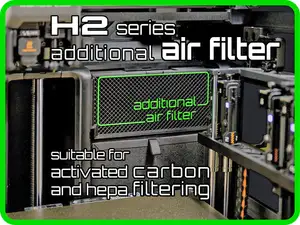
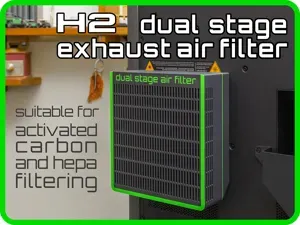
H2S H2D H2C additional Air Filter (carbon & hepa)
MakerWorld
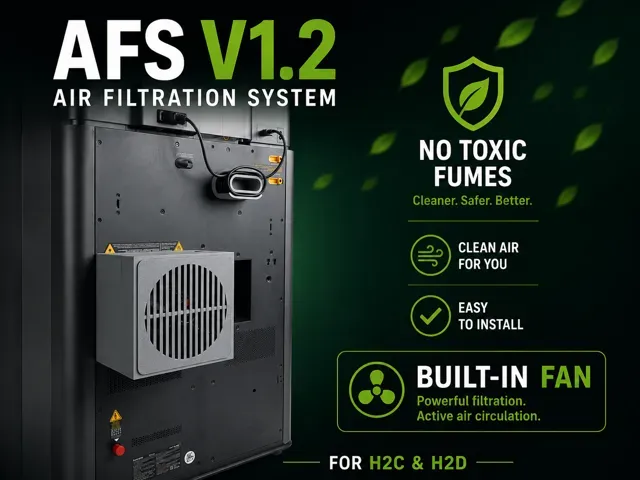
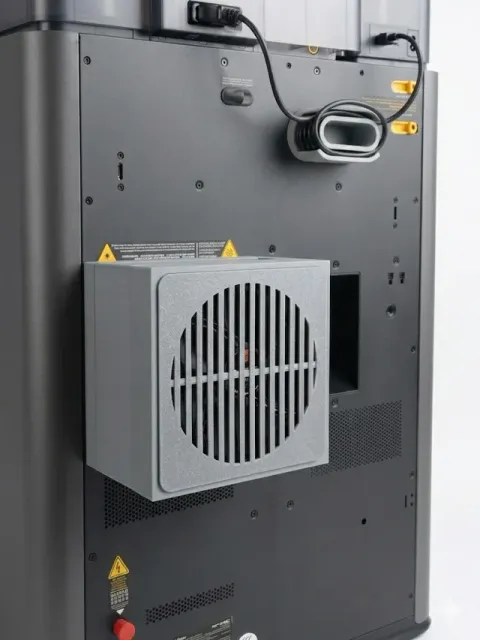
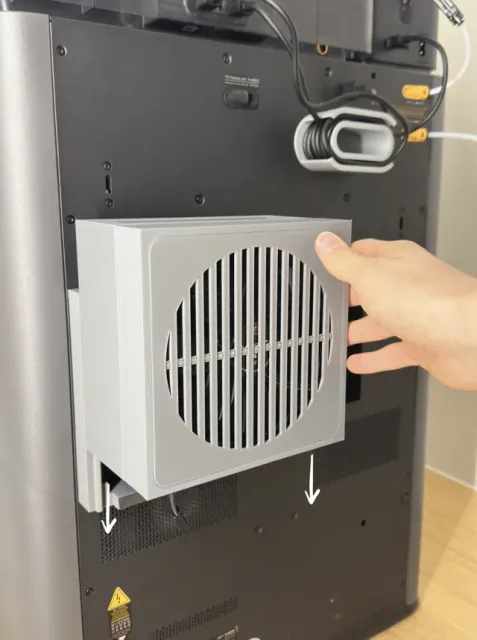
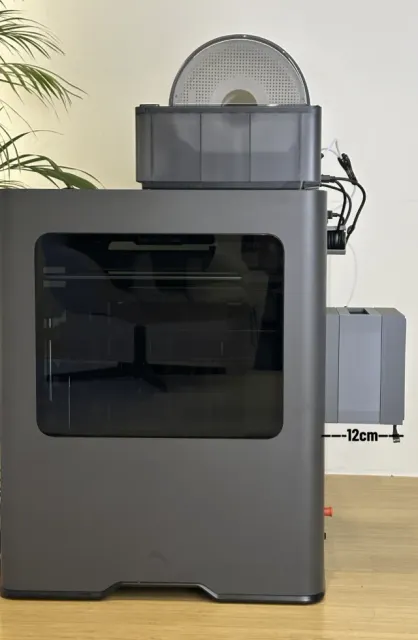
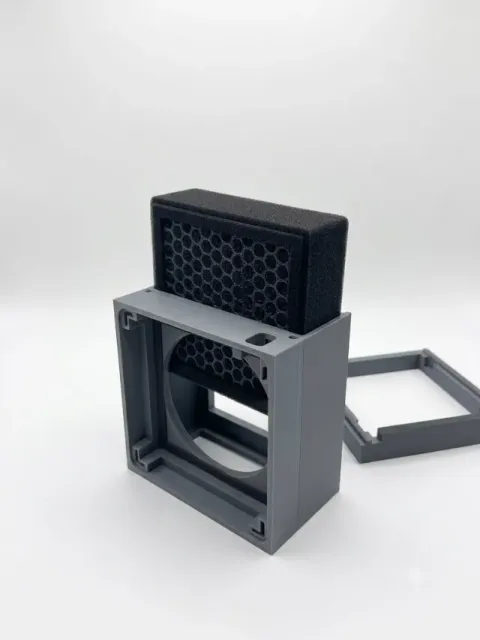
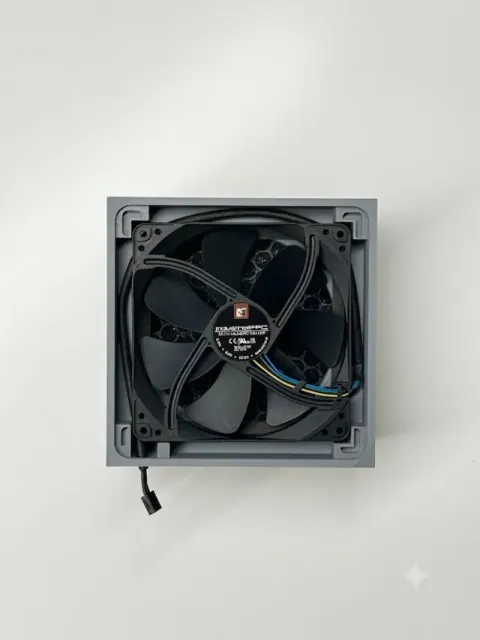
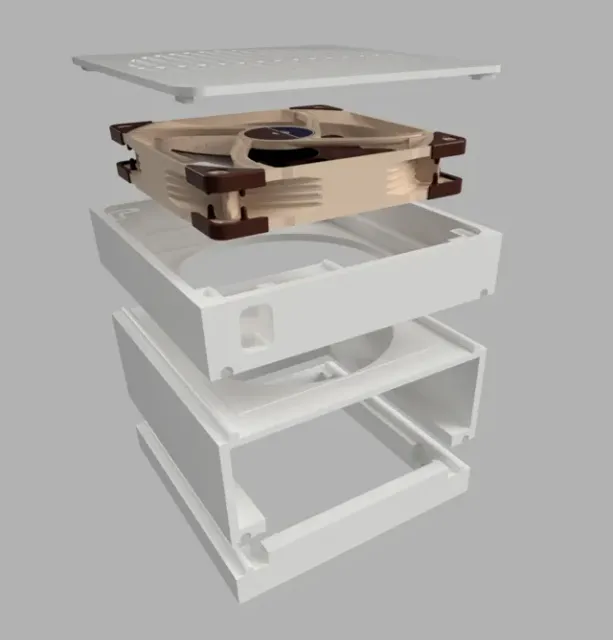
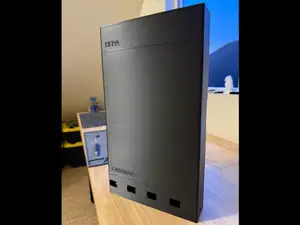
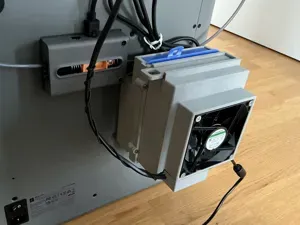
AFS V1.2 – Air Filtration System for Bambu Lab H2C & H2D
The AFS V1.2 was developed to actively filter the air during 3D printing and significantly reduce exposure to TVOCs, ultrafine particles, and plastic odors.
Many people underestimate air quality when 3D printing. Even PLA is not harmless. During printing, volatile organic compounds, known as VOCs/TVOCs, as well as very fine particles are released into the room air. This does not only apply to ABS or ASA, but also to PLA, PETG, and especially technical or fiber-reinforced filaments such as carbon fiber or glass fiber materials.
I clearly noticed this myself: even after short prints, my airways were already irritated . Many tests and measurements online also clearly show that 3D printing can worsen air quality.
That is exactly why the AFS V1.2 was developed
Why air filtration is important in 3D printing
When filament is heated, different emissions are produced depending on the material, temperature, and print duration.
These include:
- TVOCs Total Volatile Organic Compounds, meaning the total amount of volatile organic compounds in the air. These substances can cause odors, irritate the airways, and affect indoor air quality. - PM10 F ine particles with a size of up to 10 µm. - PM2.5 Even smaller particles with a size of up to 2.5 µm. These can penetrate deeper into the respiratory tract. - Ultrafine particles Extremely small particles that can be especially problematic because they are very easy to inhale. Materials such as ABS, ASA, Nylon, PC, and fiber-reinforced filaments are especially critical.
But measurable emissions are also produced when printing with PLA. Just because PLA smells less intense than ABS does not mean that no harmful substances are released.
Especially if the printer is placed in a living room, office, hobby room, or poorly ventilated room, air quality should be taken seriously.
What does the AFS V1.2 do?
The AFS V1.2 filters the air directly at the printer. Instead of simply releasing contaminated air into the room, the air is actively guided through a high-quality filter.
The system reduces:
- plastic odor - TVOCs - fine particles - ultrafine particles - contaminated exhaust air during 3D printing The major advantage of the AFS V1.2 is the active airflow. The built-in fan pulls the air through the filter and ensures optimal airflow.
In my own test, even after a print of more than 20 hours, there were no measurable plastic odors or irritating particles in the air anymore.
Why not only use the integrated Bambu Lab filter?
The Bambu Lab H2C and H2D printers already have an internal filtration system, but personally, it is not enough for me.
The original filter is relatively small and is not actively used in every situation. Especially for long prints, PLA prints indoors, or stronger-smelling materials, I wanted a much stronger solution.
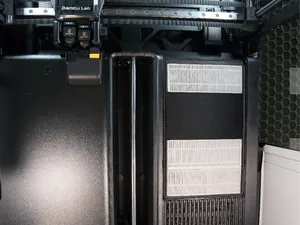
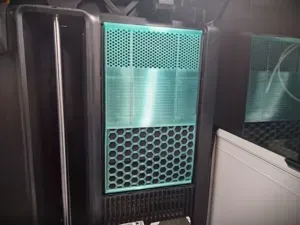
The AFS V1.2 uses a larger, high-quality filter and its own fan. This allows the air to be actively and constantly pulled through the filtration system.
Why not vent the air outside?
An external exhaust solution is generally very good, but it is not practical for everyone.
Many users cannot or do not want to:
- drill a hole into the wall - permanently hang a hose out of the window - build a complicated exhaust system - place the printer directly next to a window The AFS V1.2 is designed exactly for this situation. It is a compact filtration solution directly on the printer and does not require a fixed external exhaust installation.
The filter
The ALVEO-3D P4D-R filter is used in the AFS V1.2.
This filter combines and HEPA-H14 filter activated carbon.
The HEPA filter is responsible for fine particles. The activated carbon reduces odors and gaseous substances such as VOCs/TVOCs.
ALVEO-3D specializes in filtration solutions for 3D printing and offers suitable filter sizes for exactly these kinds of applications. In my opinion, the P4D-R filter is one of the most useful solutions for a compact but serious filtration system on a 3D printer.
Required materials
The following parts are required for the AFS V1.2:
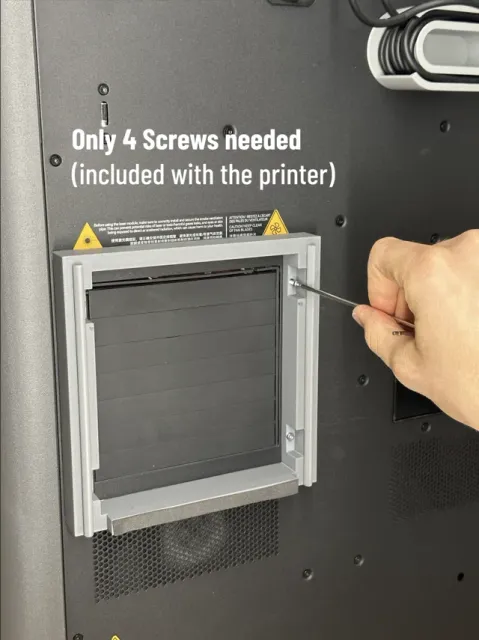
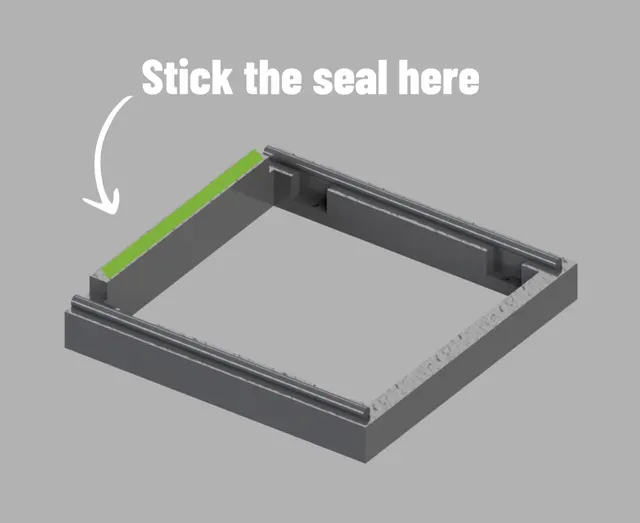
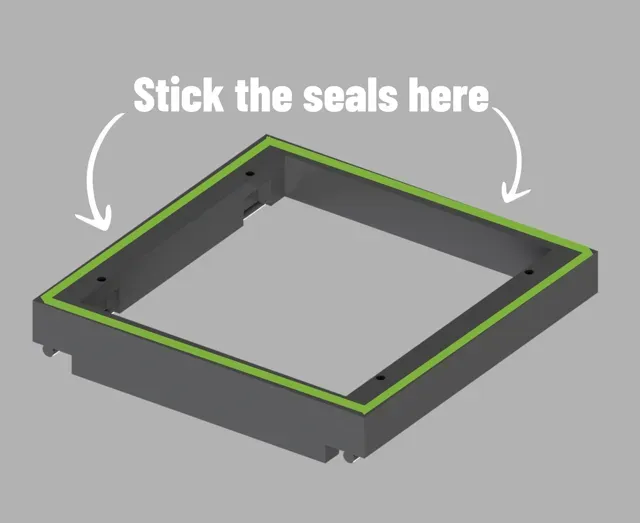
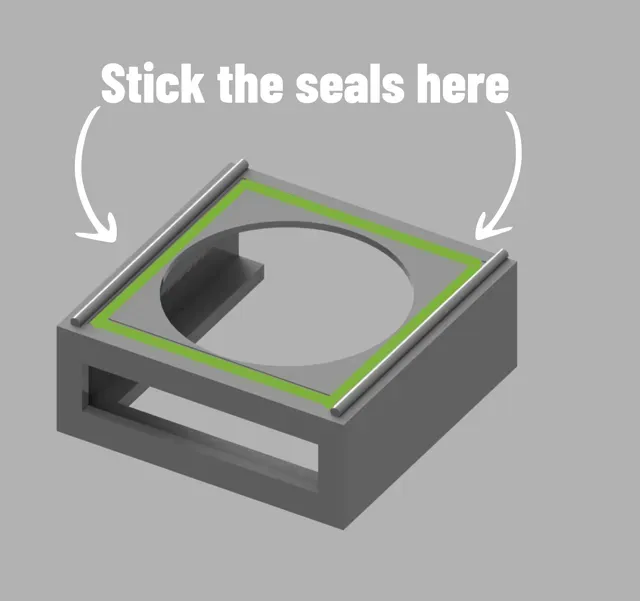
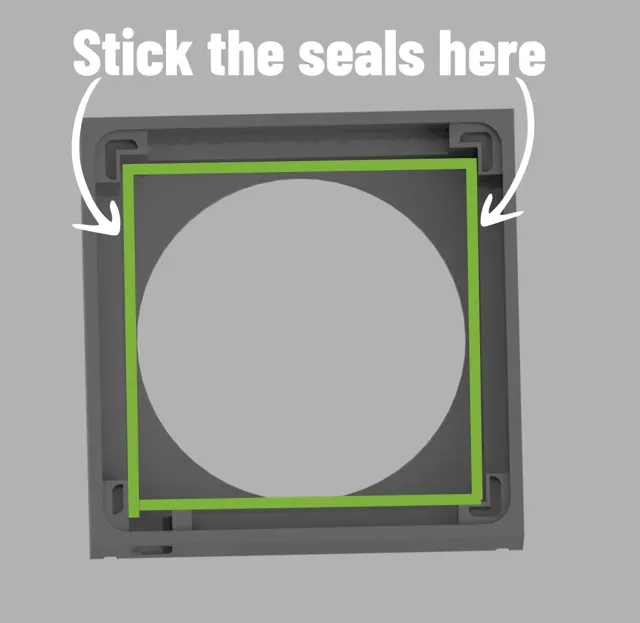
- Self-adhesive sealing tape 10 mm For sealing, so that as little air as possible bypasses the filter unfiltered. - 4-pin PWM fan controller, 12V For manually controlling the fan speed . - Noctua NF-A14 12V fan In my version, the Noctua NF-A14 industrialPPC was used. - ALVEO-3D P4D-R filter HEPA-H14 + activated carbon filter for reducing particles, odors, and TVOCs. - 4 original screws from the printer (18mm long - M3 Screws) No additional special screws are required. Fan & recommended setting
The fan is controlled using a 4-pin PWM controller.
I recommend a fan speed of approximately: about 1500 RPM
In my setup, this is a good compromise between:
- good airflow - acceptable noise level - stable filtration performance - controlled chamber temperature Even after more than 20 hours of printing, I had no issues with excessive chamber temperature.
Installation
The AFS V1.2 was designed to keep installation as simple as possible.
The system is attached to the printer using four original screws. The remaining parts are mounted using a simple sliding system.
This means no complicated modifications or additional special parts are required.
0.2mm layer, 2 walls, 15% infill Use recommended profile.
- 0.2mm - 15% infill - support may be needed
Названия используются только для указания источника результата. Polyzon не аффилирован с перечисленными площадками.
Комментарии