
Бесплатно 
Shower Drain Grate Hair Trap - Hutterer & Lechner
MakerWorld
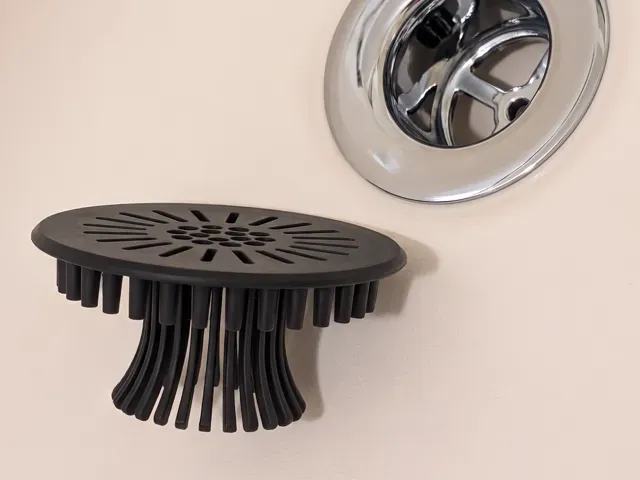
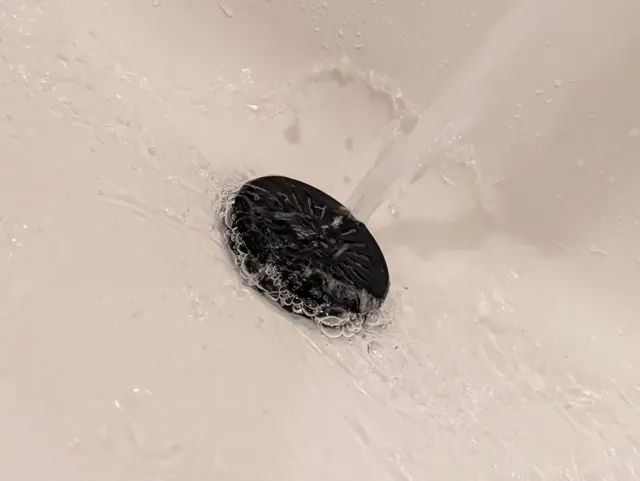
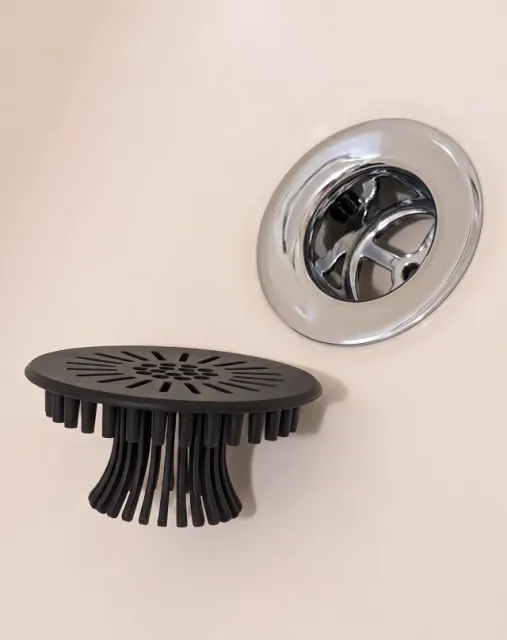
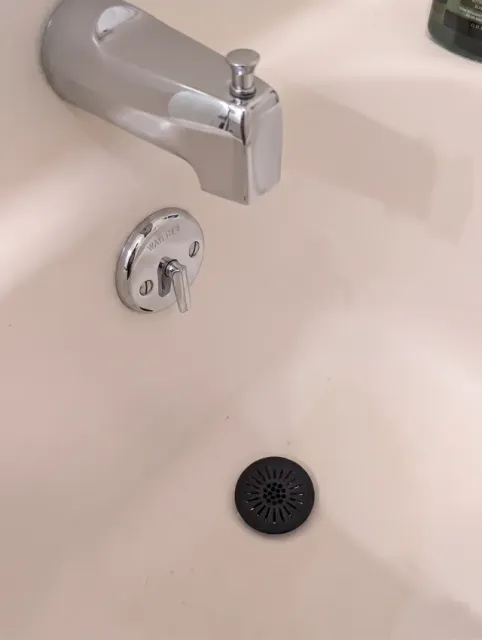
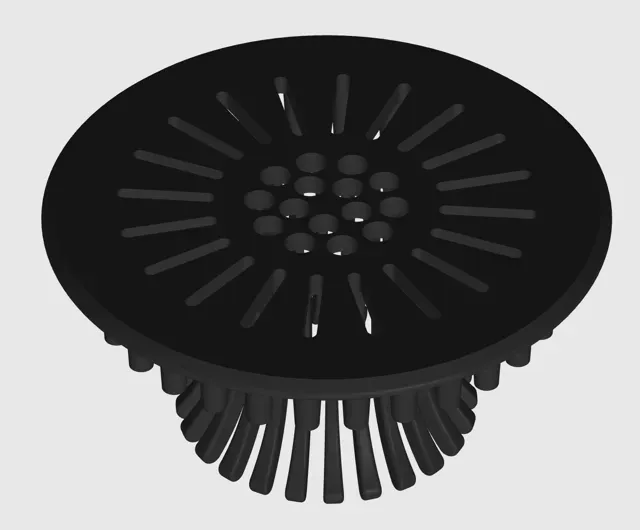
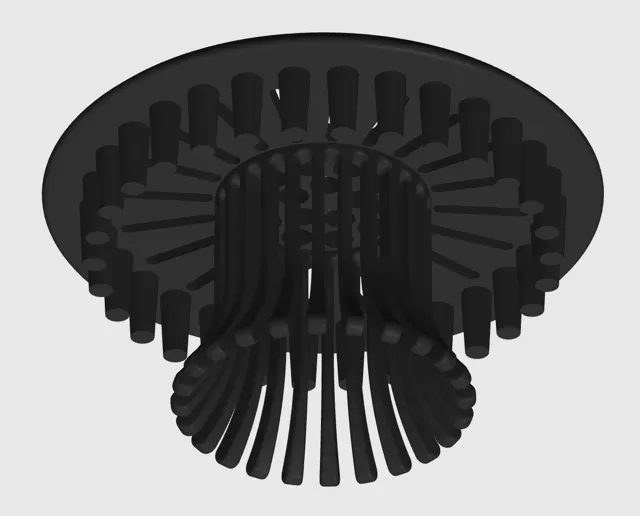
If you're like me, you probably stumbled upon this page after browsing a dozen other options. I never intended to design my own shower drain hair catcher, but I couldn't find anything that checked all my boxes such as:
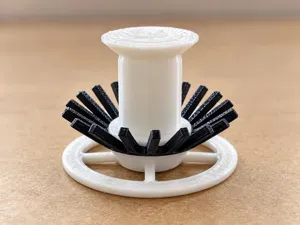
- Easy to print: No special slicer tweaks and zero supports required. - Easy to clean: Wipe or pull hair off cleanly in seconds, just like cleaning a comb. - Functional, not gimmicky: Most hair catchers rely on mesh screens, tiny holes, or swirl designs. While some work better than others, they usually tangle hair in a way that's miserable to clean. The Jellyfish uses gently curved comb tines for quick, hassle-free cleaning. In my testing, the Jellyfish exceeded my expectations. It traps hair reliably while taking only seconds to wipe clean. Water flow remains steady, avoiding drainage backups common with more restrictive designs.
Please note: the Jellyfish hair catcher needs to be scaled to your shower's drain hole diameter. Be sure to review my fitment guide below to help ensure success with your print!
Technical Design & Features
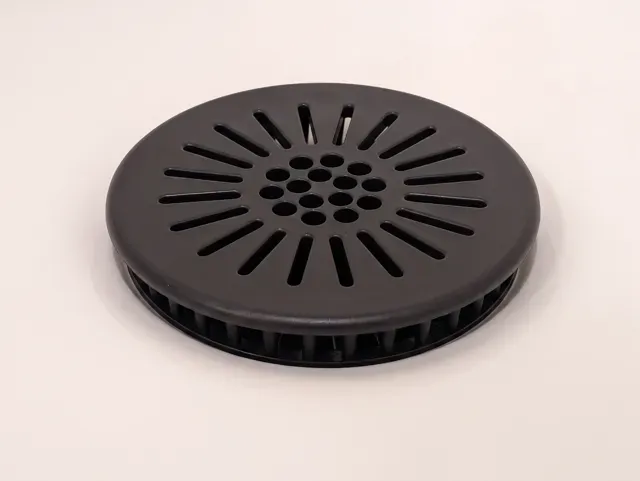
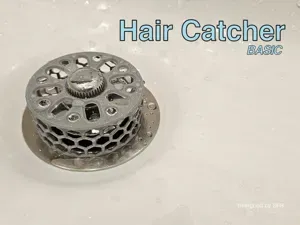
This low-profile bathtub drain catcher utilizes a multi-tier strainer design to capture hair and debris while maintaining smooth, unimpeded water flow. The perforated top disc sits over the drain, using a perimeter ring of downward standoff tines to intercept surface hair before it enters the plumbing and to stabilize the hair catcher in the drain. Beneath the disc, flared lower retention tines anchor the catcher inside the pipe walls while snagging stray strands deeper down.
Fitment & Dimensions
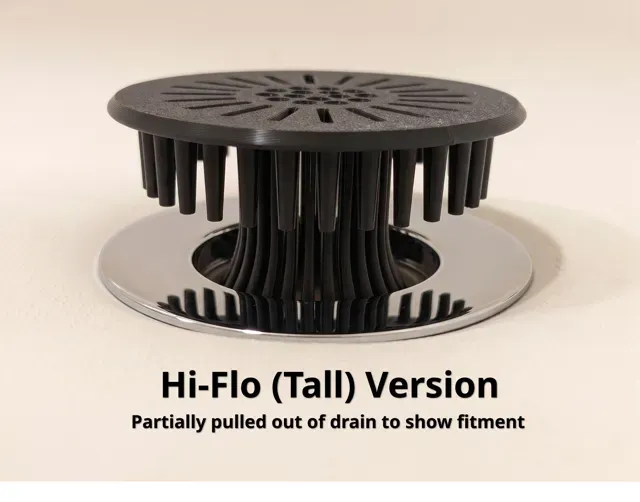
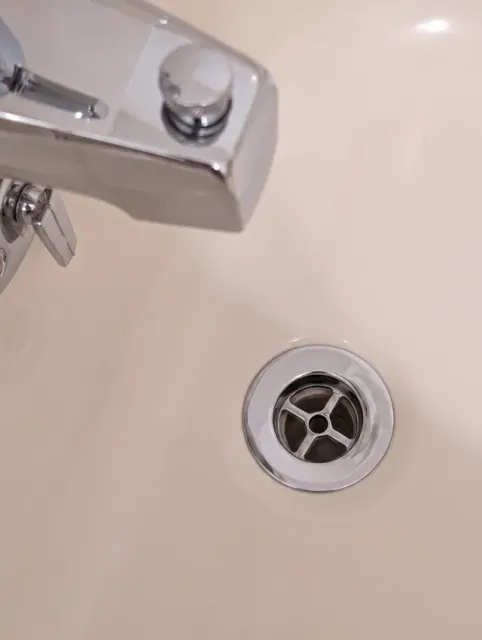
Originally designed around a bathtub drain with a 41mm opening, the model works best when you measure your pipe diameter and add roughly 3mm to the lower flared tine diameter to ensure a snug friction fit tht will maintain spring tension.
Across all versions:
- Top disc diameter: 80mm - Outer standoff tine ring: 67mm Fit is critical: If the lower tines fail to contact the pipe walls—or if the unit bottoms out before the outer tines seat against the tub floor—filtration performance will suffer. Measure both your drain opening diameter and available depth before printing, and scale in your slicer as needed.
Model Variations
- Standard Version: Requires a minimum 25mm internal drain depth for the top disc tines to seat flush against the tub floor. - Hi-Flo Version: Features taller standoff tines for increased drainage rate alongside deeper retention tines; requires a minimum 25mm internal drain depth. - Shallow Version: Built for drains with crossbars or shallow elbows, requiring only 20mm of internal depth clearance to seat properly. Filament Recommendations
I recommend printing this in PETG , which offers the flex and spring retention needed when compressing the lower tines into the pipe. PLA may work initially, but its rigidity makes fitment less forgiving and its longevity in a warm, wet environment is poor. TPU should also be a viable candidate, though I have not personally tested it yet.
Standard Version - 0.2mm layer, 2 walls, 15% infill PETG Standard design.
Hi-Flo Tall Version - 0.2mm layer, 2 walls, 15% infill Taller, hi-flo version of the original design.
Shallow Depth Version - 0.2mm layer, 2 walls, 15% infill This is a shallow mounting depth version of the original design.

Названия используются только для указания источника результата. Polyzon не аффилирован с перечисленными площадками.