
Бесплатно 
boxSCOPE: Run your own biological experiments!
Printables
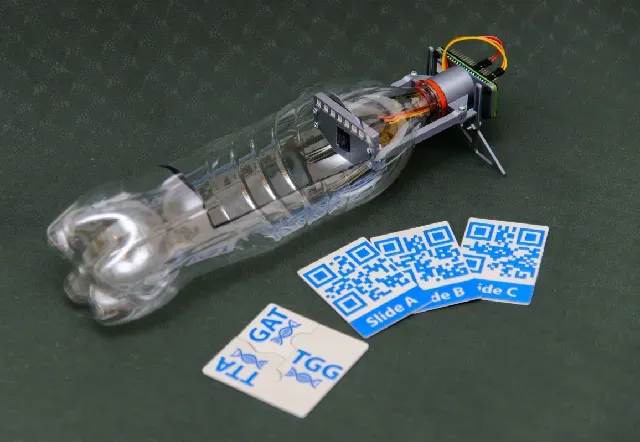
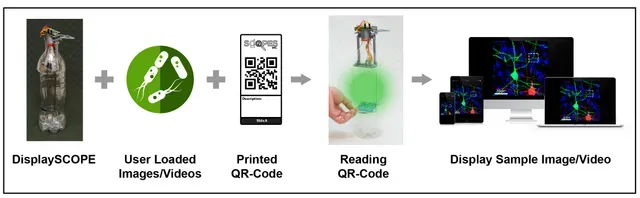
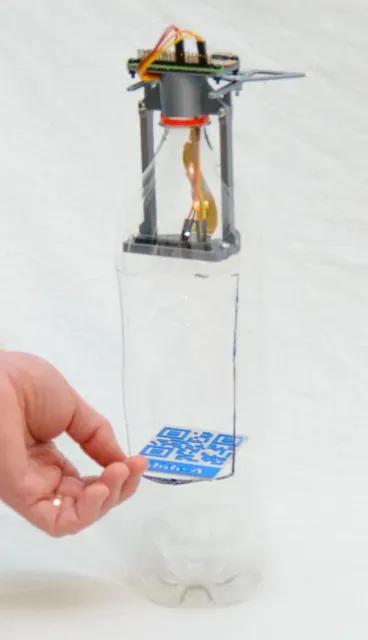
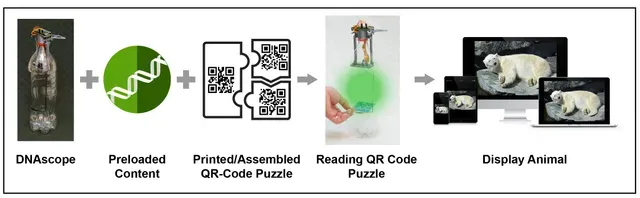

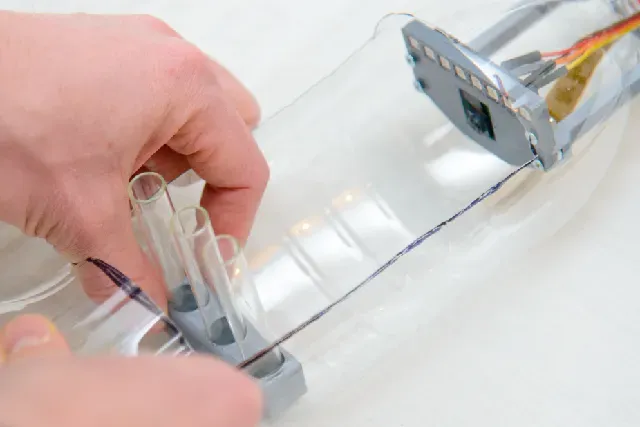


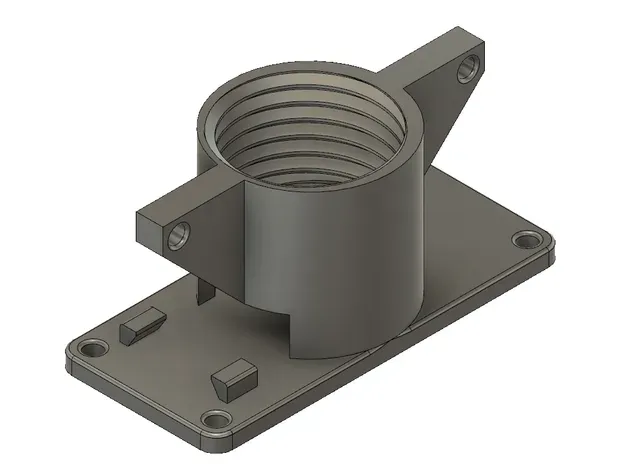
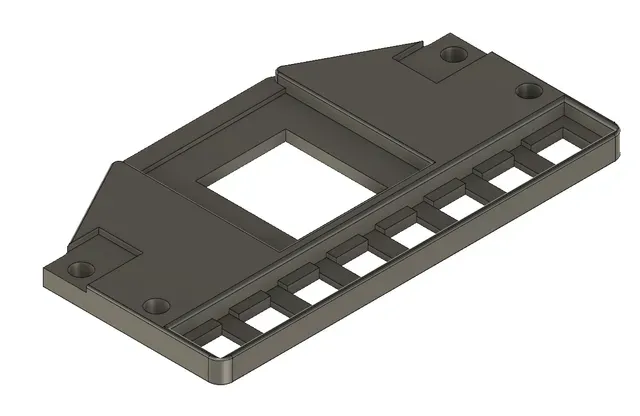


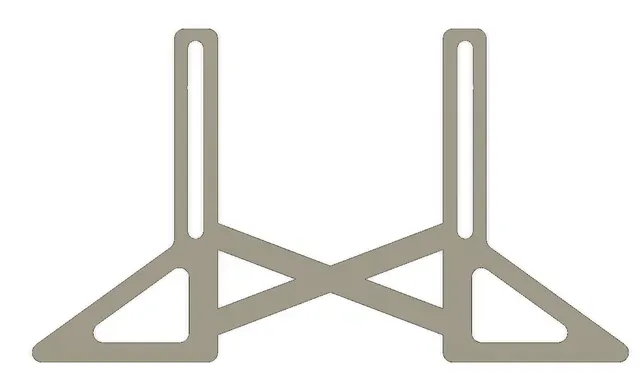
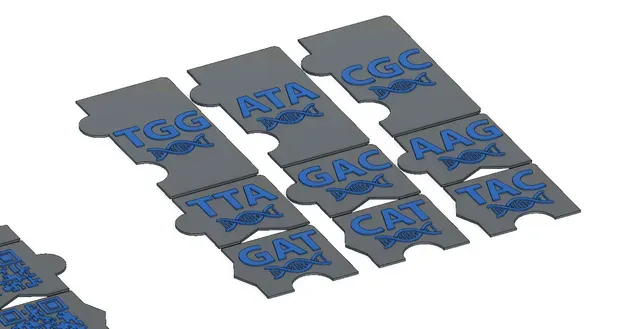
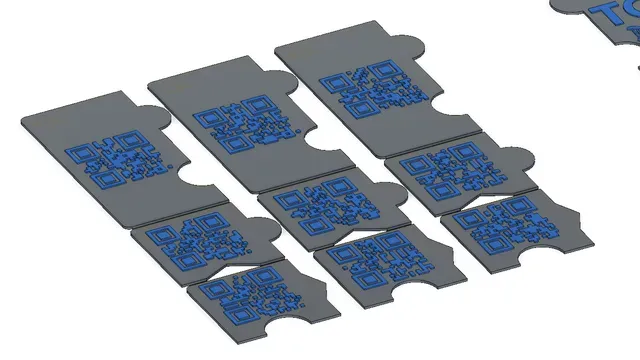
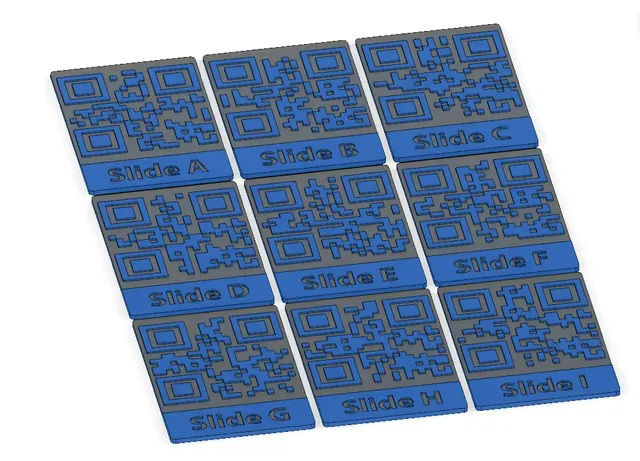
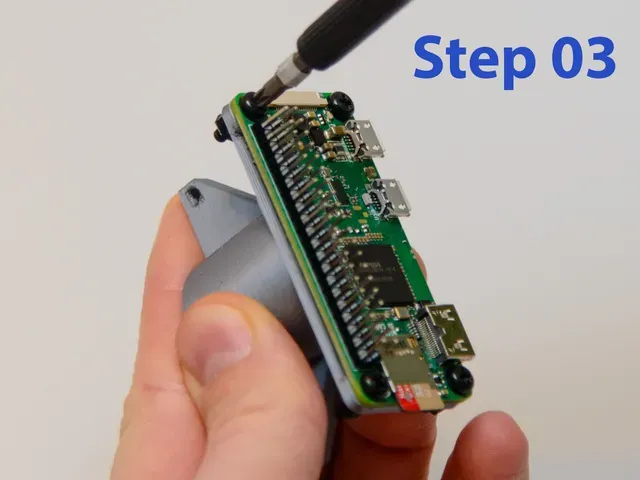
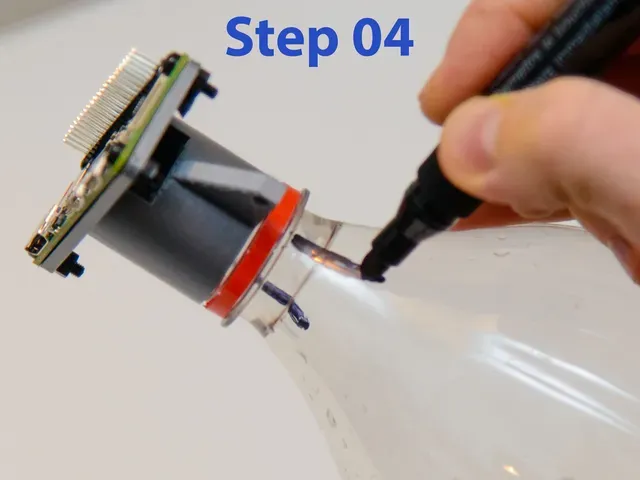
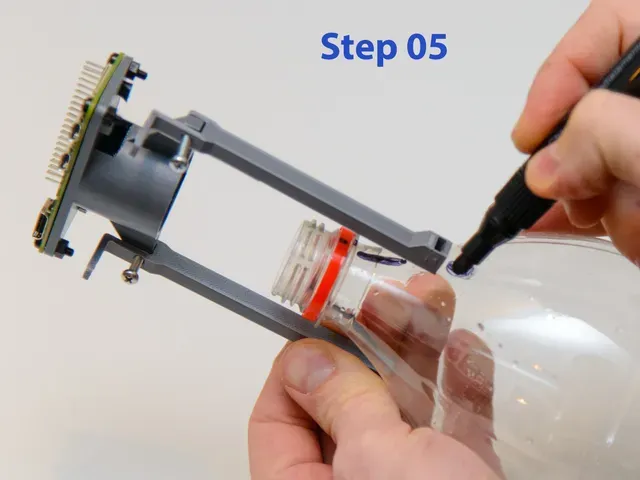
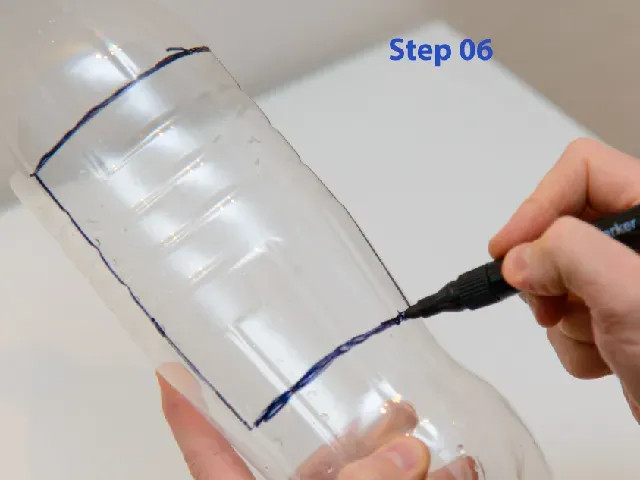

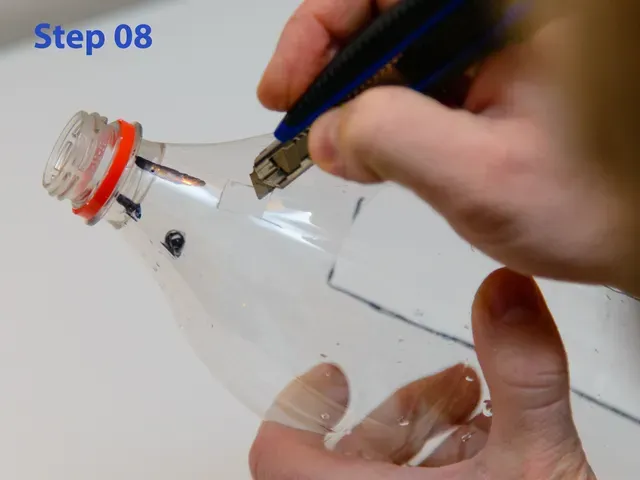

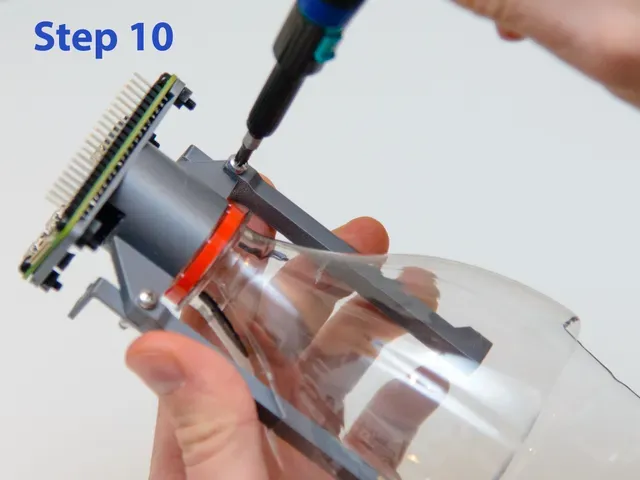
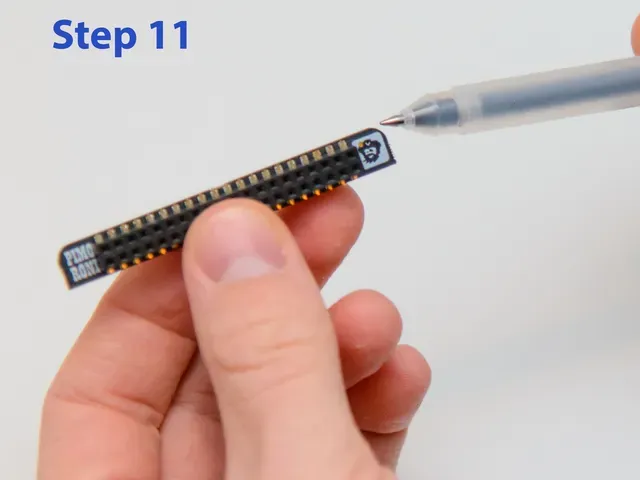

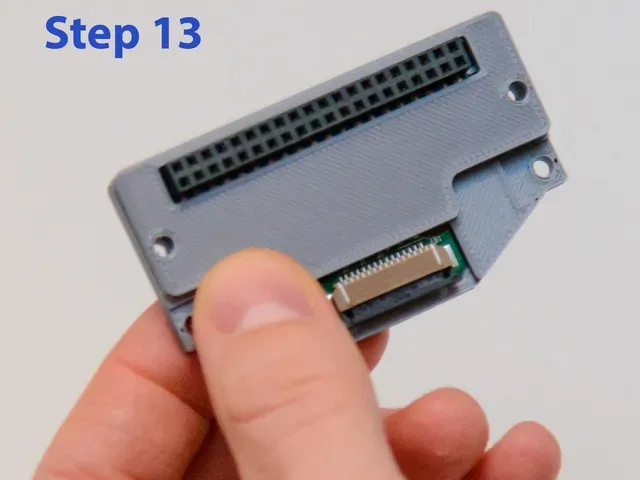
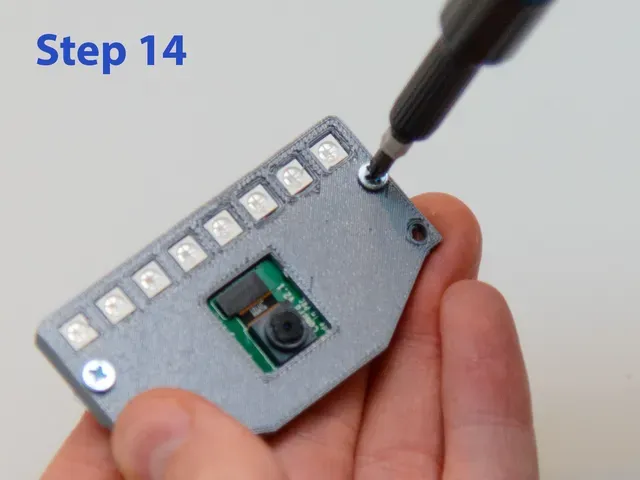
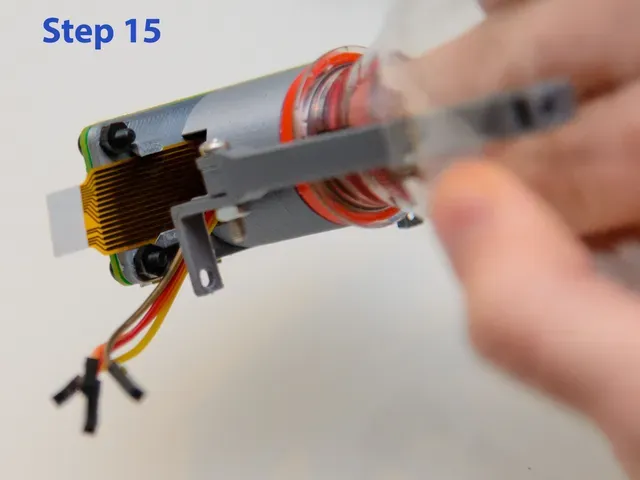

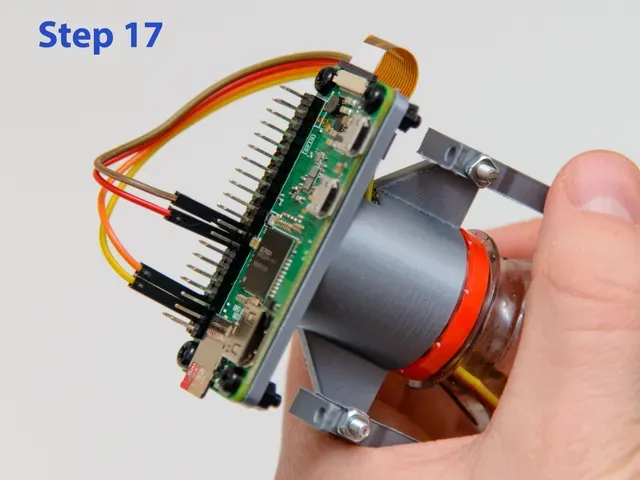
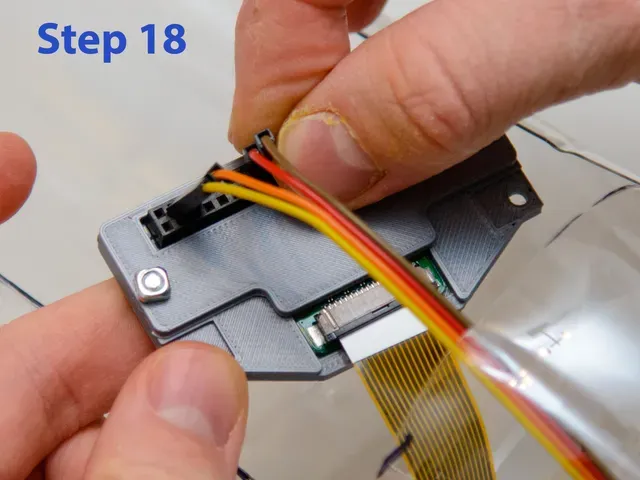
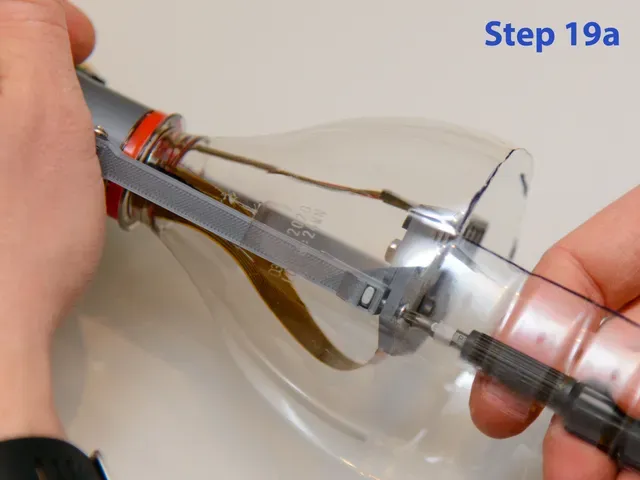
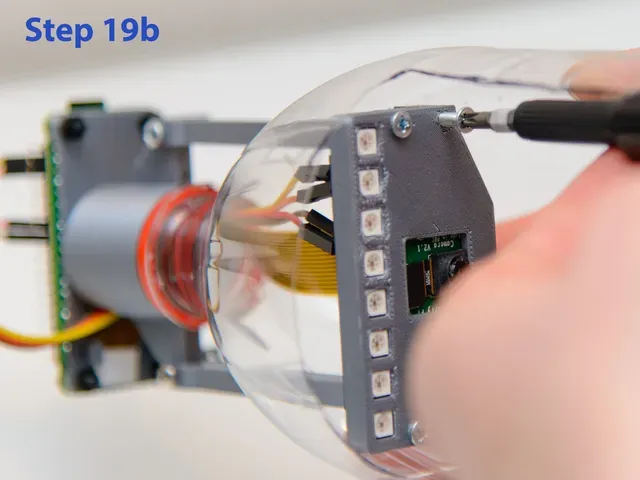

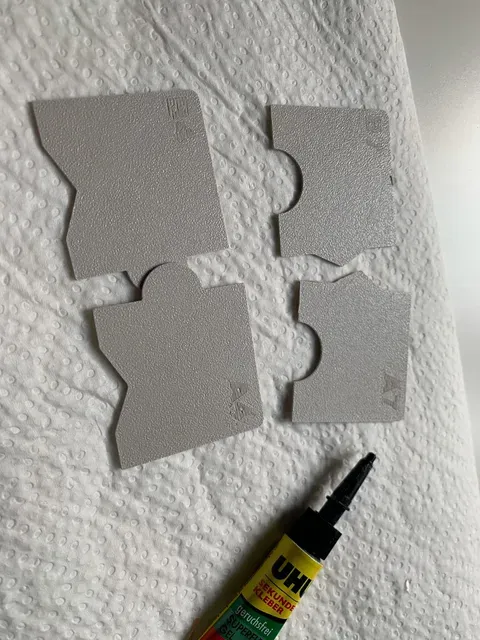
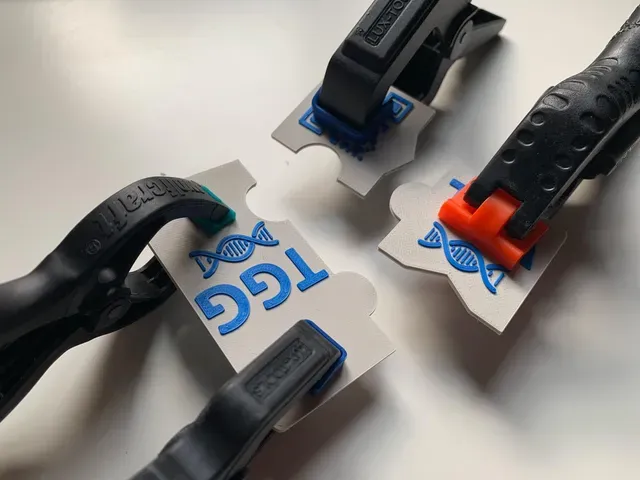
3D files included here at Prusa Printers:
- All parts to make your own popSCOPE.
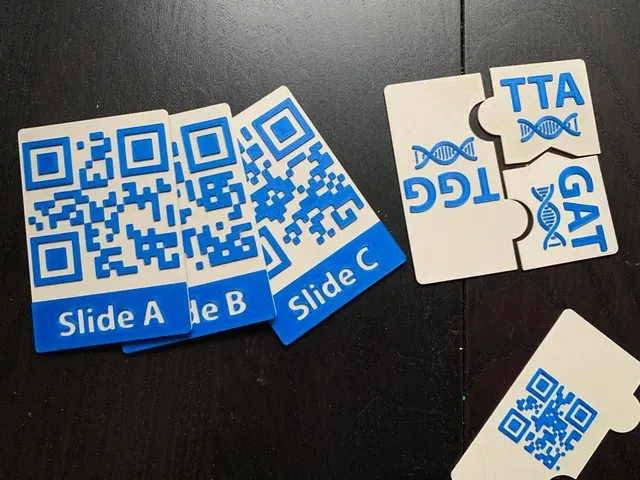
- 26x 3D printable QR-code microscope slides which are used to simulate real microscope slides
- 18x puzzle piece files (glued together to form 9 puzzle pieces in the end. These are used in the DNAscope activity.
- Test tube holders - Included multiple files for different width test tubes. I recommend measuring the width of your tubes and using the holder with the closest dimension since a tight fit ensures the tube stands straight.
Activities included with popSCOPE:
- DisplaySCOPE : View digitized samples from real labs.
- ChronobioSCOPE : Run your own real biological experiments.
- DNAscope : Learn about DNA and environmental DNA (eDNA).
Complete assembly instructions, including basic lesson plans and explanations of all included files, can be found here.
More information about SCOPES Education: https://scopeseducation.org/
Video tutorials for all activities can be found at: https://scopeseducation.org/setup/
Download for Raspberry Pi disk image: https://scopeseducation.org/downloads/
What is SCOPES?
SCOPES (Sparking Curiosity through Open-source Platforms in Education and Science) is an open-source STEM didactic tool that is self-contained, independent of local resources and cost-effective. SCOPES can be adapted to communicate complex subjects from genetics to neurobiology, perform real-world biological experiments and explore digitized scientific samples.
Our design philosophy:
We have developed SCOPES as a cost-effective platform to bring life science labs to the classroom. SCOPES is designed to be a modular platform that can be easily adapted for the specific needs of the educator, even without any computer or programming skills. During the design of SCOPES, we considered resource limitations that some classrooms might face. While dedicated computer classrooms in schools are becoming standard in developed countries, buying new hardware is both time consuming and expensive. Sometimes a stable source of electricity might also not be available in some areas. Therefore, we chose the Raspberry Pi Zero W (Pi for short) which is a tiny, power-efficient computer, to be the brains of our project. The Pi is powered via a 5V USB port that is commonly used for charging smartphones and tablets and can be run remotely from a battery or small solar panel. We also do not want you to have to run out and buy a new screen or adapter. Therefore, we chose to make use of your mobile devices to display the visual output of SCOPES. The Pi acts as a wireless access point that mobile devices can connect to and display information provided by the Pi. Several devices can connect to SCOPES in parallel, allowing for multiple young scientists to interact with an individual SCOPES. Thus, SCOPES is self-contained and can be operated in the complete absence of any infrastructure with just a mobile device and a battery.
Why are we using a pop bottle and not 3D printing the entire case?
This is a great question and it comes back to our design philosophy. We purposely want to keep costs to a minimum, and for some, that might mean they have limited access to a 3D-printer. Therefore, we tried to minimize both the amount of material required to print and the number of additional parts required to build and assemble the popSCOPE case. There is also the environmental aspect and we felt that including “found” material and encouraging recycling, is an important lesson in itself. Also, some materials can be substituted for other components if necessary. For example, in most cases, M3 screws can be substituted with zip ties or similar thin material.
Custom User Interface:
We have developed a custom web-based interface that makes operating SCOPES simple and doesn’t require any prior programming knowledge. As SCOPES builds on open-source Raspberry Pi hardware, it can be readily adapted for novel projects. We also anticipate that through collaborative learning, SCOPES will encourage interdisciplinary experiential learning where programming skills are used to explore biological concepts and thus bridge several STEM disciplines. An example might be that students build the popSCOPE case, follow tutorials on how to program time-lapses on the Raspberry Pi, and then use this to perform a biological experiment as described for the ChronobioSCOPE (see above). In this way, SCOPES facilitates hands-on interdisciplinary learning and problem-solving opportunities for students. SCOPES can also be expanded using the exquisite capabilities of the Raspberry Pi to interact with a spectrum of sensors to record environmental parameters.
SCOPES 2.0
The popSCOPE case is an updated version of our original SCOPEScase. The original version can be made from laser-cut plywood, and if you are interested in learning more about this, we recommend visiting our website to find all the files ( http://scopeseducation.org ).
Our goal in making the popSCOPE 3D printable was to hopefully make this project available to a wider audience.
Parts required (See figure)
3D printed parts:
- 1x PiMount
- 1x Left arm bracket (provided varying lengths, depends on the bottle)
- 1x Right arm bracket (provided varying lengths, depends on the bottle)
- 1x Camera/LED mounting bracket
- 1x Lid
- 1x Stabilizer base
Electronic parts:
- Raspberry Pi Zero W (simpler if the male header is already attached to the GPIO pins)
- Raspberry Pi Camera v1 or v2
- Pimoroni Blinkt LED
- Micro SD Card
- Male to female jumper cables (30 cm)
- Pi Zero camera cable (30cm)
- 5V power adapter/power supply




Названия используются только для указания источника результата. Polyzon не аффилирован с перечисленными площадками.