Grátis 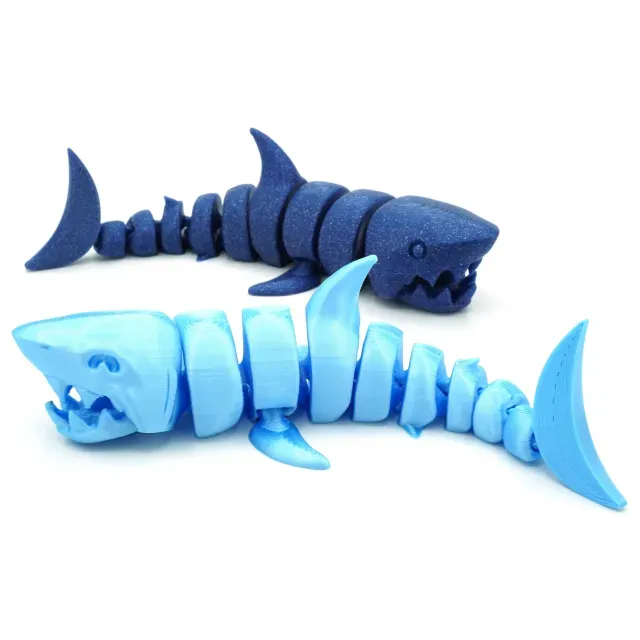
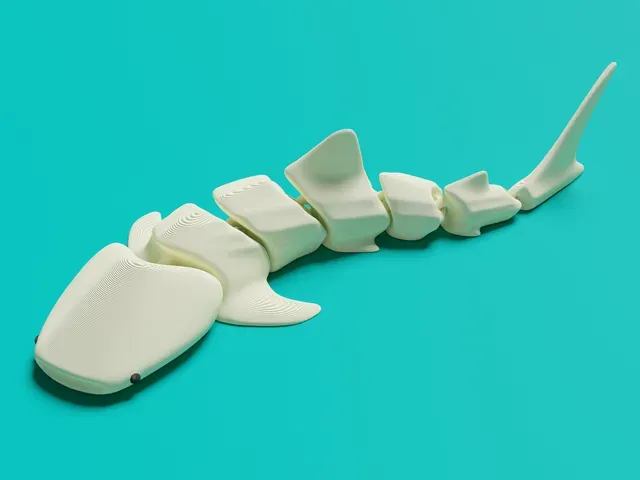
Articulated Shark
Creality Cloud
This collection gathers shark-themed 3D models: articulated figures with jointed bodies, flexi designs printed in one piece, species variants such as hammerhead and whale shark, plus small fidgets and shark-shaped objects. It is useful when you want a model that moves, a compact desk piece, or a starting point for 3D printing at different scales. Most files are made for a standard FDM 3D printer, though the settings differ from one author to another. Polyzon does not confirm whether models are free, their price, license, official status, affiliation, safety or fitness. Check the current terms at the source.
O texto desta coleção está em inglês; a busca funciona em qualquer idioma.
 Uma coleção do Polyzon · 48 modelos de 5 sites
O Polyzon monta esta coleção a partir dos resultados de busca dos sites conectados. Repetições e modelos sem prévia são removidos, correspondências fracas vão para o final e o restante segue a ordem da busca. Os modelos pertencem aos seus autores — confira os termos na página de cada modelo.
Regras de seleção: equipe editorial do Polyzon · Texto atualizado em 13/10/2026
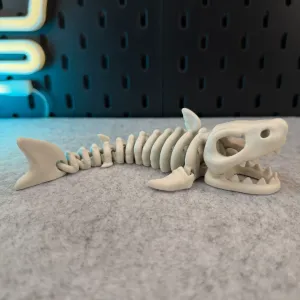

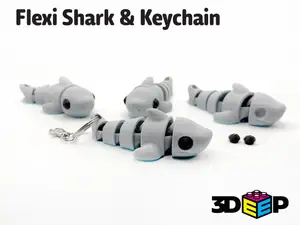

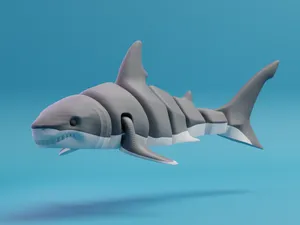


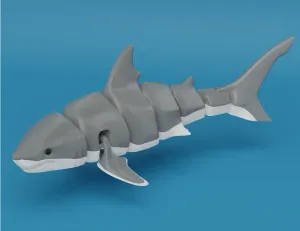
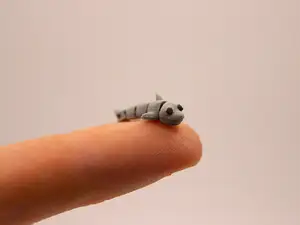

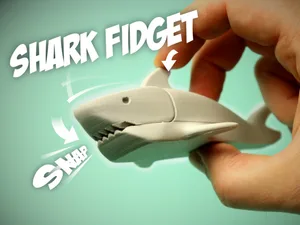

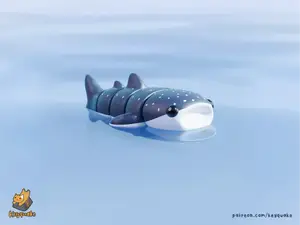


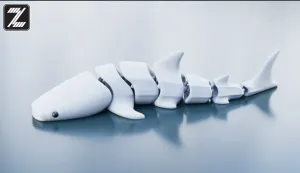
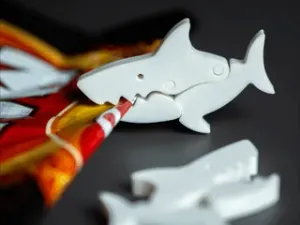
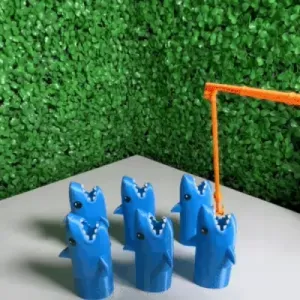


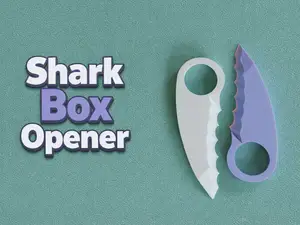
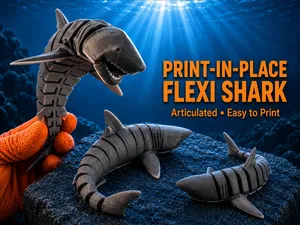
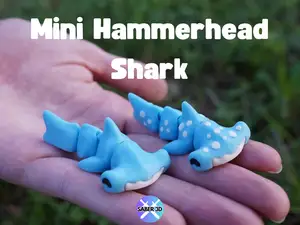


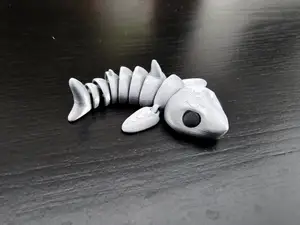
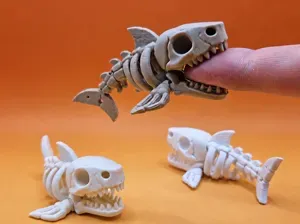


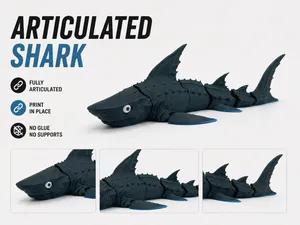
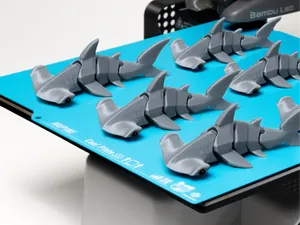

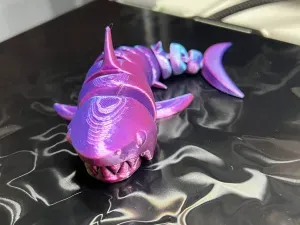

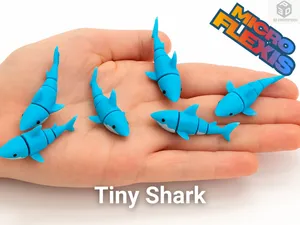

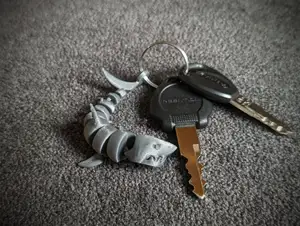

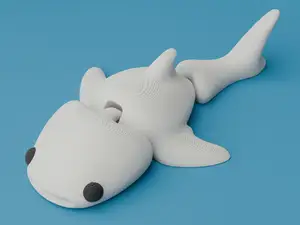
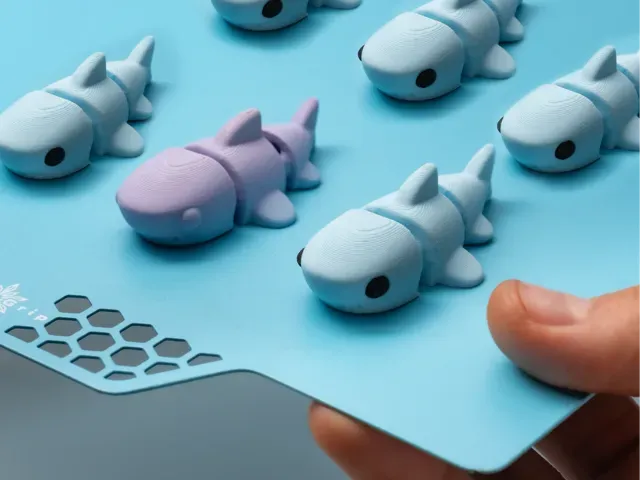
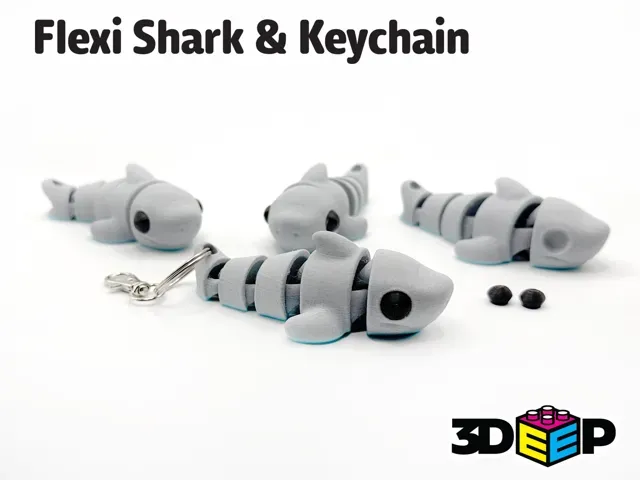
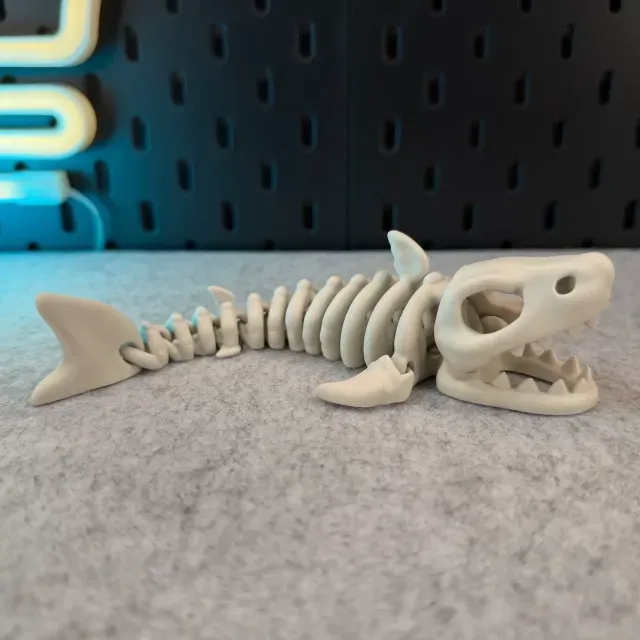
The main split is between articulated models and flexi models. Articulated versions use separate joints or a skeleton-like structure, so they can be posed and often printed in several parts or in one piece depending on the file. Flexi designs rely on thin printed hinges built into the mesh, which usually means a single-piece print with a specific clearance between segments. Species also change the shape considerably: a hammerhead has a wide head, a whale shark is longer and rounder, and a great white has a heavier body and fins.
Before printing, open the author's model page and read what is listed there: overall length and scale, number of parts and how they connect, whether supports are required, and the material and layer height the author used. For flexi and print-in-place designs, the clearance between moving parts matters, so check the recommended nozzle diameter and avoid scaling the model down too far, since thin hinges can fuse. Photos of real prints are more informative than renders, especially for joints and thin fins.
If the results feel narrow, try related wording. Searches for flexi, print-in-place, articulated, fidget or keychain return different sets of files, and swapping the species name — great white, hammerhead, whale shark, tiger shark — changes the results as well. Broader terms such as sea animals, ocean creatures or fish lead to neighbouring collections, and shark-shaped objects like combs, clips or holders sit outside the figure category entirely.




O catálogo completo de temas — de casa e utilidades a CNC, com busca em todos os sites conectados.