
Grátis 
Eflite Airbus CFM56 nacelle
Thingiverse
This collection gathers 3D models built around the CFM56 turbofan and the parts that surround it: engine sections, blade stands, nacelles and intake adapters. Most files are meant for 3D printing at home, from small desk pieces to larger multi-part builds. It is a useful starting point if you want an engine study model or a display stand rather than a generic aircraft kit. Polyzon does not confirm whether models are free, their price, license, official status, affiliation, safety or fitness. Check the current terms at the source.
O texto desta coleção está em inglês; a busca funciona em qualquer idioma.
 Uma coleção do Polyzon · 46 modelos de 3 sites
O Polyzon monta esta coleção a partir dos resultados de busca dos sites conectados. Repetições e modelos sem prévia são removidos, correspondências fracas vão para o final e o restante segue a ordem da busca. Os modelos pertencem aos seus autores — confira os termos na página de cada modelo.
Regras de seleção: equipe editorial do Polyzon · Texto atualizado em 14/10/2026

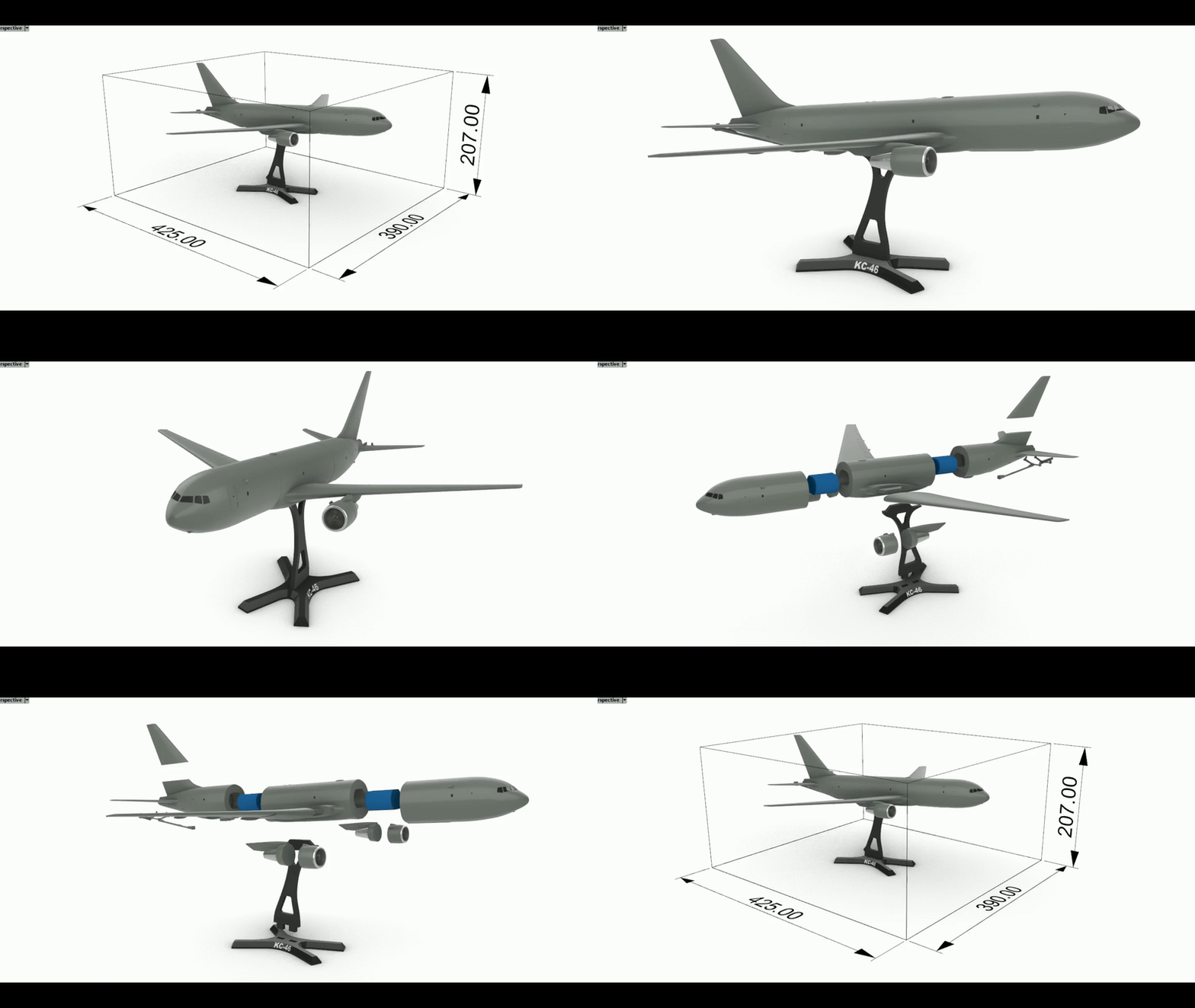


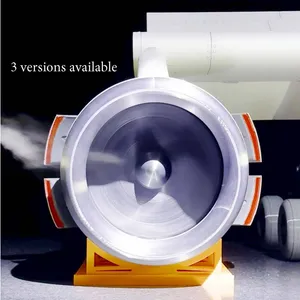

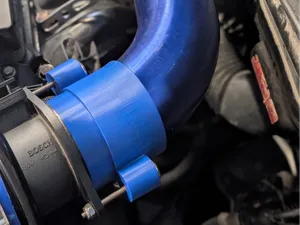


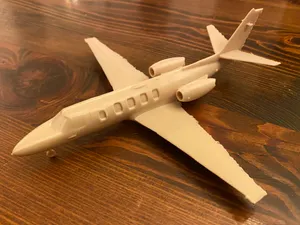
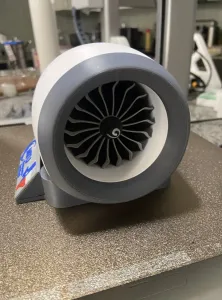

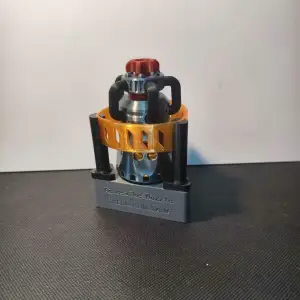

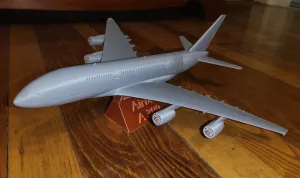

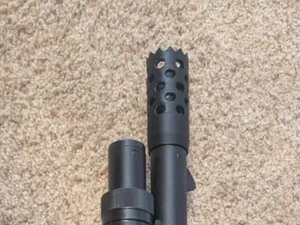
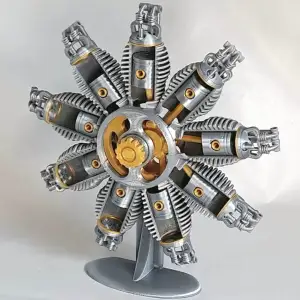

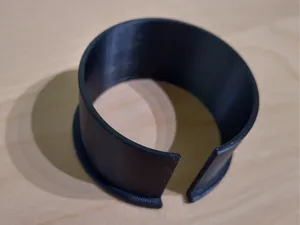






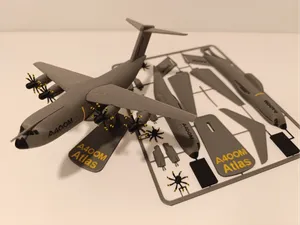


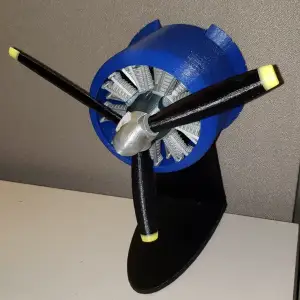



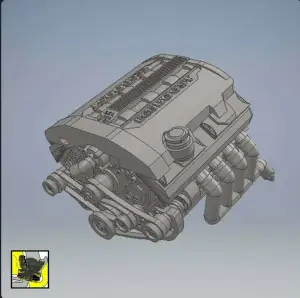



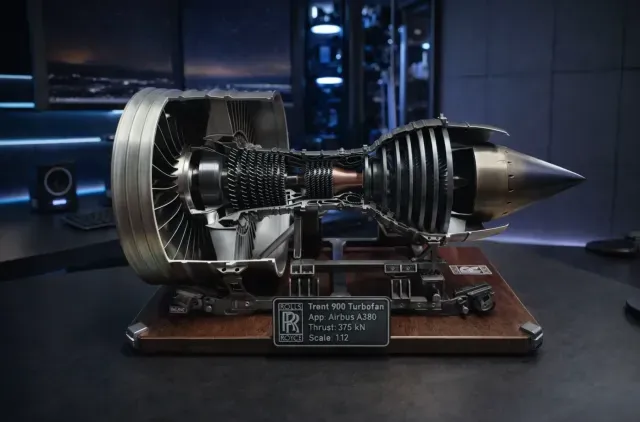
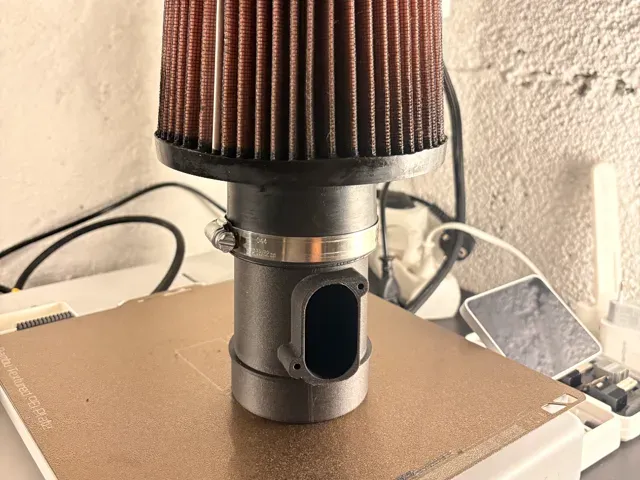
The engine models split into two rough groups. One group is decorative or educational: cutaway sections, single fan or compressor stages, and stands that hold a blade upright as a desk object. The other group is mechanical: motorised fan units where the rotor spins, and multi-part bodies that need assembly around a shaft or housing. Car-related files sit apart from both, since they are adapters and intake parts rather than engine replicas.
Before printing, open the author's page and read the listed dimensions and part count. Large nacelles and engine bodies are often split for a small build volume, so check how the sections join and whether glue or fasteners are expected. Look at the stated layer height, wall count and material, and note whether the author shows photos of a finished print; those images tell you more about surface finish and fit than a render does. Moving parts usually need clearance, so confirm the tolerances the author mentions before scaling anything.
Search results widen quickly if you try related wording. Terms such as turbofan, jet engine, fan blade, compressor stage or nacelle bring in files that never use the engine designation, and airliner or tanker kit names lead to airframe parts that share the same powerplant. If you are after desk pieces, try blade stand or display base; if you want something that turns, try motorised fan or spinning rotor. Combining a part name with a scale word usually narrows a long list faster than the engine name alone.




O catálogo completo de temas — de casa e utilidades a CNC, com busca em todos os sites conectados.