
$ 0.03 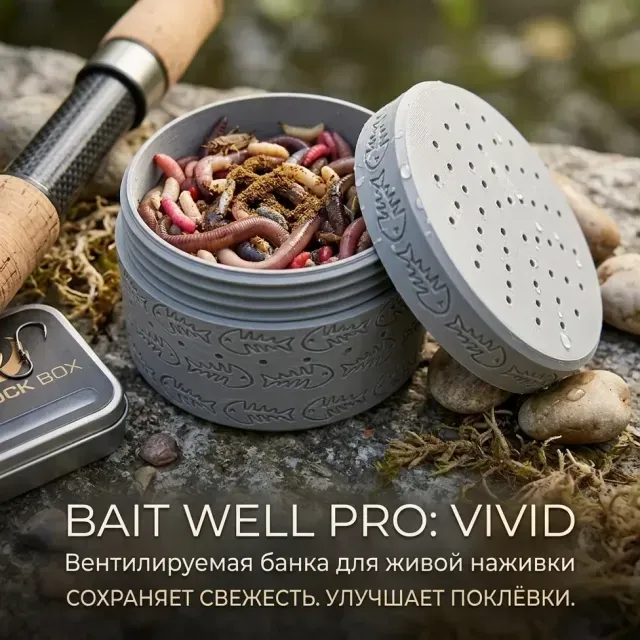
Банка для наживки (разные варианты)
Creality Cloud
This collection gathers STL files for bait storage and bait making: jars, boxes, molds, presses and holders. Most of them are small parts that fit a standard 3D printer bed, so one spool covers several items. It helps you replace a lost lid or build a container around the bait you actually use. Polyzon does not confirm whether models are free, their price, license, official status, affiliation, safety or fitness. Check the current terms at the source.
O texto desta coleção está em inglês; a busca funciona em qualquer idioma.
 Uma coleção do Polyzon · 48 modelos de 5 sites
O Polyzon monta esta coleção a partir dos resultados de busca dos sites conectados. Repetições e modelos sem prévia são removidos, correspondências fracas vão para o final e o restante segue a ordem da busca. Os modelos pertencem aos seus autores — confira os termos na página de cada modelo.
Regras de seleção: equipe editorial do Polyzon · Texto atualizado em 13/10/2026






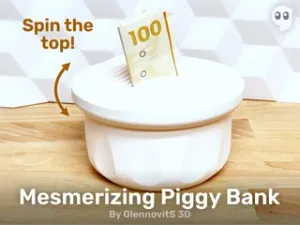


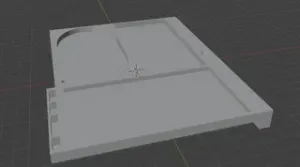


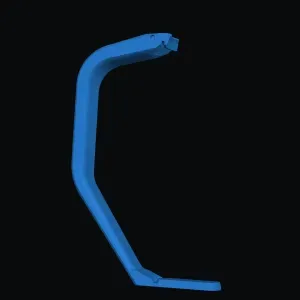
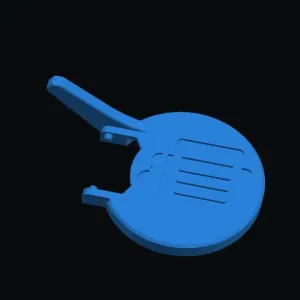


The models fall into a few groups. Closed containers and boxes keep bait or lures separated, while open trays and bait tables hold tools within reach. Molds and forms define the shape of soft lures, and presses or ball makers shape dough and groundbait. Holders and organizers, including spools with a bait chamber, keep line and lures from tangling.
Before printing, read the model page for dimensions and wall thickness, the number of separate parts, and whether hinges, latches or threads are printed in place. Check whether the author shows supports or a particular orientation, and which material and settings are listed. Photos of real prints show how the lid closes and how much clearance the sliding parts have.
To widen the search, try synonyms such as bait jar, tackle box, lure holder, bait mold, bait press, groundbait ball maker or boilie container. Related directions include carp and feeder fishing, predator lures, soft plastics and insect bait stations. Adding a material or printer term to the query often brings up different results.
If a container is meant to stay closed in a bag, look at how the lid is retained and how thick the walls are. For molds, the cavity size decides the lure size, and scaling changes both the cavity and the wall thickness. Printing a single small part first shows whether the fit matches your bait before you commit to a larger piece.




O catálogo completo de temas — de casa e utilidades a CNC, com busca em todos os sites conectados.

