
Grátis 
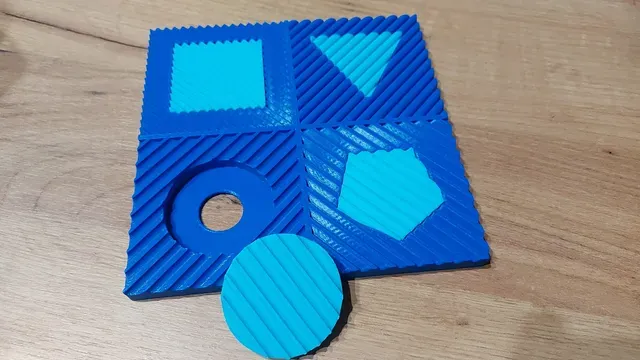
Survivor Textured Slide Puzzle
Thingiverse
This collection gathers 3D models where the surface itself is part of the puzzle: ribbed tiles, wavy panels, mazes and boxes with hidden compartments. Most of them are designed to be made on a desktop 3D printer in a single or a few parts. It is a useful starting point if you want a tactile object rather than a decorative figurine. Polyzon does not confirm whether models are free, their price, license, official status, affiliation, safety or fitness. Check the current terms at the source.
O texto desta coleção está em inglês; a busca funciona em qualquer idioma.
 Uma coleção do Polyzon · 48 modelos de 4 sites
O Polyzon monta esta coleção a partir dos resultados de busca dos sites conectados. Repetições e modelos sem prévia são removidos, correspondências fracas vão para o final e o restante segue a ordem da busca. Os modelos pertencem aos seus autores — confira os termos na página de cada modelo.
Regras de seleção: equipe editorial do Polyzon · Texto atualizado em 14/10/2026




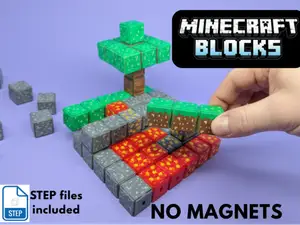


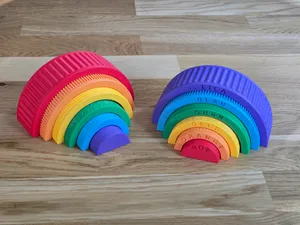


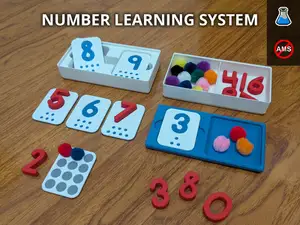


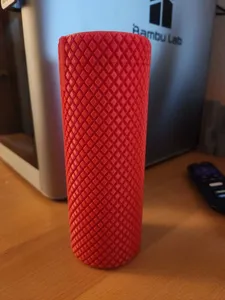


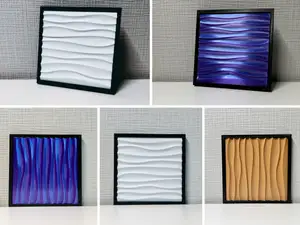


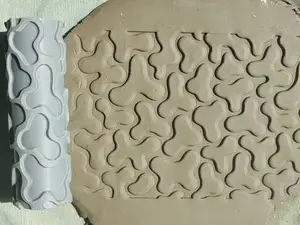


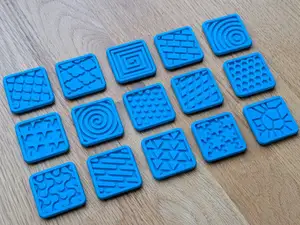


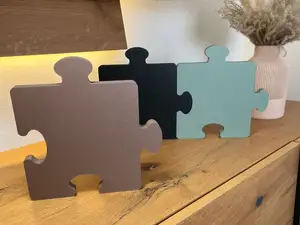


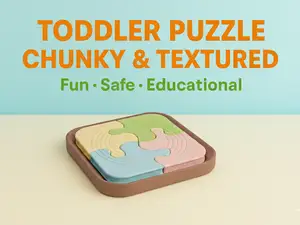


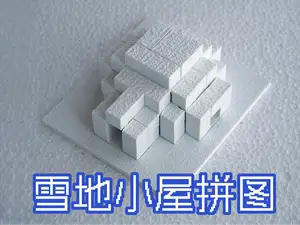


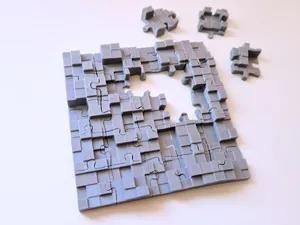


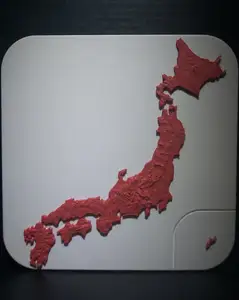

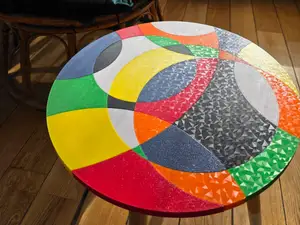


The range splits roughly into a few directions. Sensory and educational puzzles use repeating textures, numbers, shapes or colour names, and are often built as flat tiles or trays. Sliding and labyrinth puzzles rely on a channel or track that guides a piece from one point to another. Puzzle boxes hide a compartment or a message behind several moving parts, and geometric or burr-style puzzles ask you to assemble interlocking pieces into a solid form.
When choosing a model, open the author's page and read the listed dimensions, the number of separate parts and whether assembly or glue is involved. Check whether the file needs supports, and how fine the texture is: thin ridges and narrow channels are sensitive to nozzle diameter and layer height, so a 0.4 mm nozzle may smooth out details that a smaller one keeps. The material and settings the author lists are a better guide than a general assumption, and photos of real prints show how the texture actually comes out.
To widen the search, try synonyms such as tactile, sensory, ribbed, embossed or relief puzzle, and related terms like maze, labyrinth, burr, interlocking, puzzle box or hidden compartment. Combining a shape word with a texture word, for example geometric or wave, brings up different results than a single broad query. If you are looking for a learning object, add words like numbers, shapes, alphabet or counting.
For a first print, a flat textured tile is easier to judge than a multi-part box, because you can see immediately whether the surface detail survived. Larger pieces print faster and are less likely to warp than many small interlocking ones. If the model has moving parts, print a test piece at the intended scale before committing to the full set, and keep the clearances the author specifies rather than tightening them.



O catálogo completo de temas — de casa e utilidades a CNC, com busca em todos os sites conectados.