Grátis 
Motorized Door Lock
Thingiverse
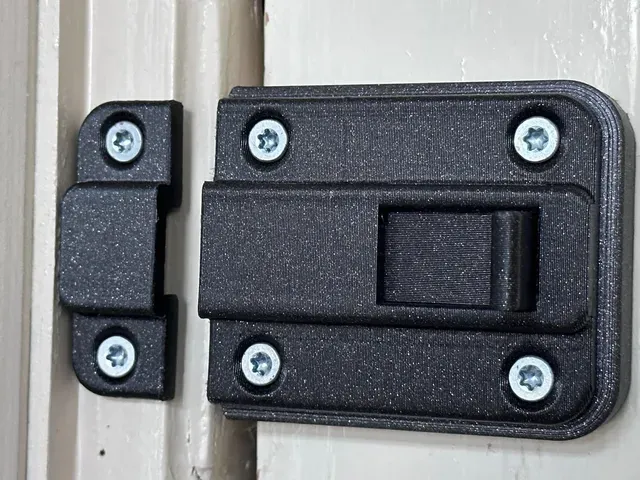
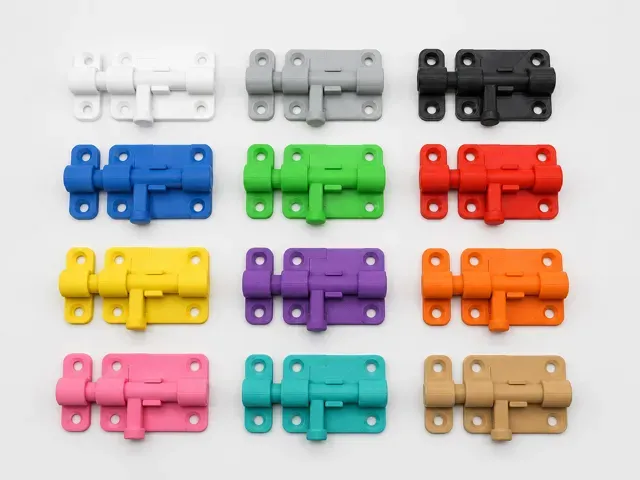
This collection gathers 3D models that hold a door, hatch or drawer shut: sliding latches, bolt mechanisms, cabinet catches and automotive latch parts. Most are small components that print on a desktop 3D printer and can be scaled or reinforced to match a specific opening. It is a starting point for anyone who needs a custom STL rather than a finished product. Polyzon does not confirm whether models are free, their price, license, official status, affiliation, safety or fitness. Check the current terms at the source.
O texto desta coleção está em inglês; a busca funciona em qualquer idioma.
 Uma coleção do Polyzon · 48 modelos de 5 sites
O Polyzon monta esta coleção a partir dos resultados de busca dos sites conectados. Repetições e modelos sem prévia são removidos, correspondências fracas vão para o final e o restante segue a ordem da busca. Os modelos pertencem aos seus autores — confira os termos na página de cada modelo.
Regras de seleção: equipe editorial do Polyzon · Texto atualizado em 15/10/2026
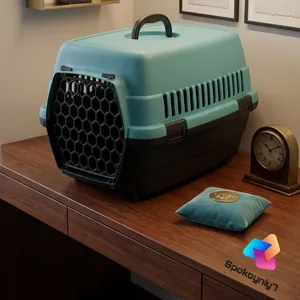


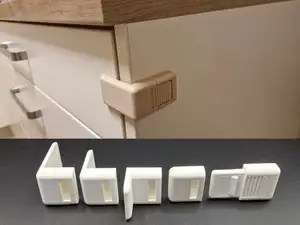
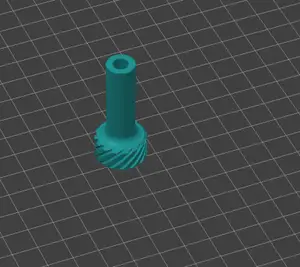
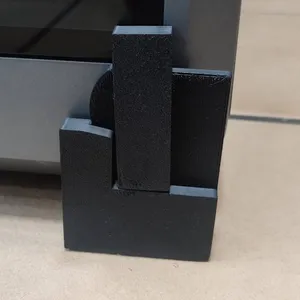

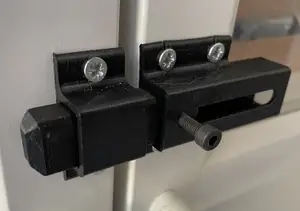
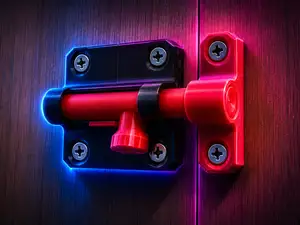
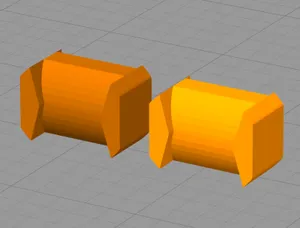
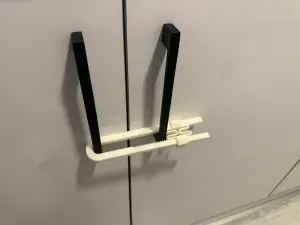


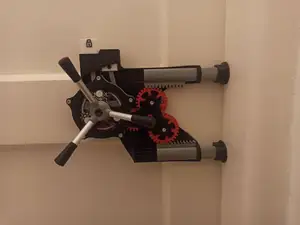
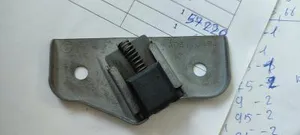
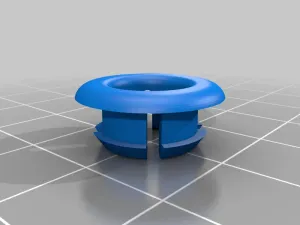


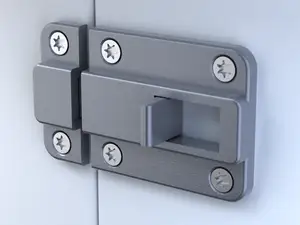
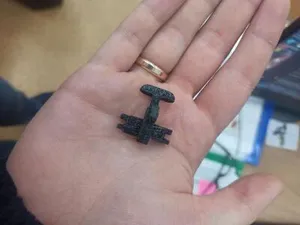
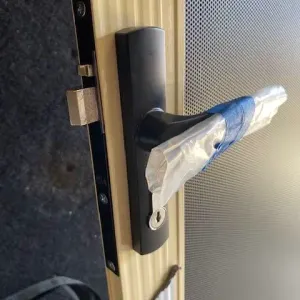


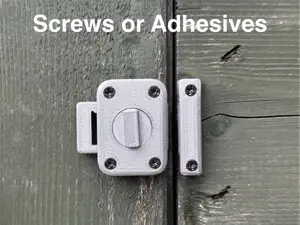
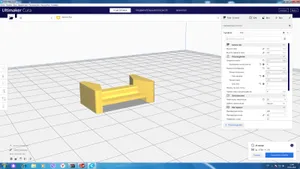
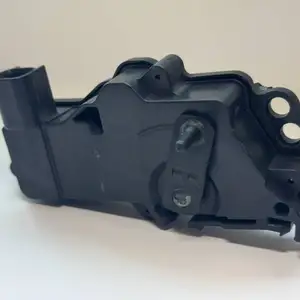


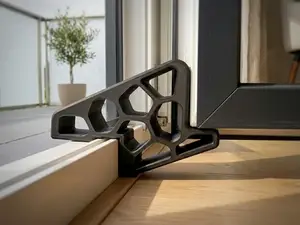
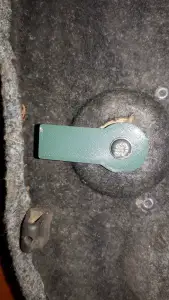

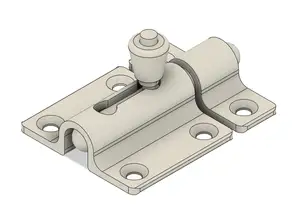
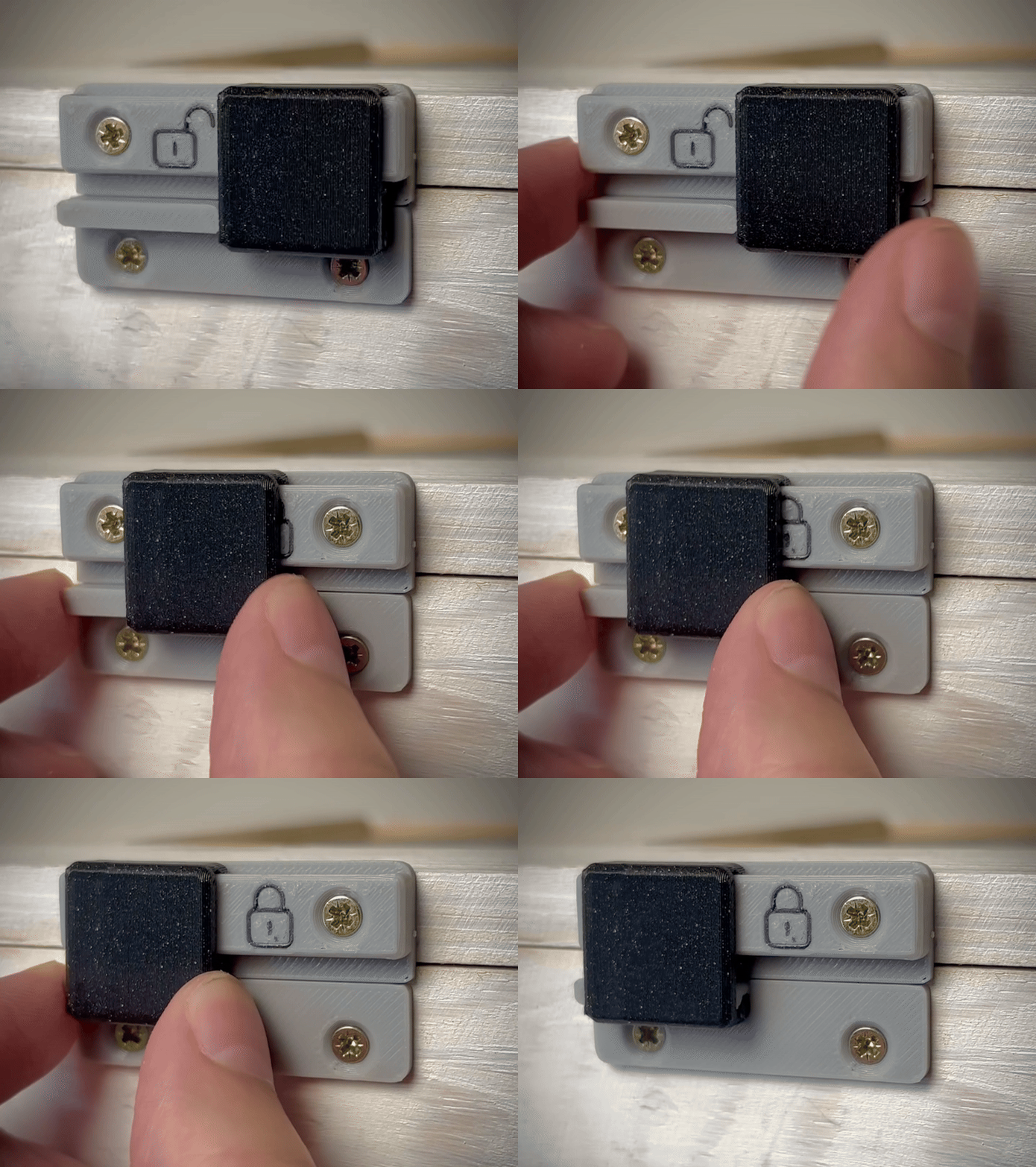
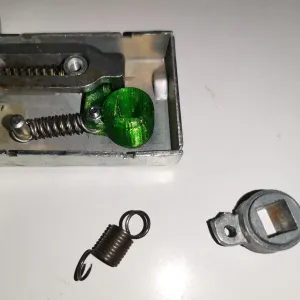


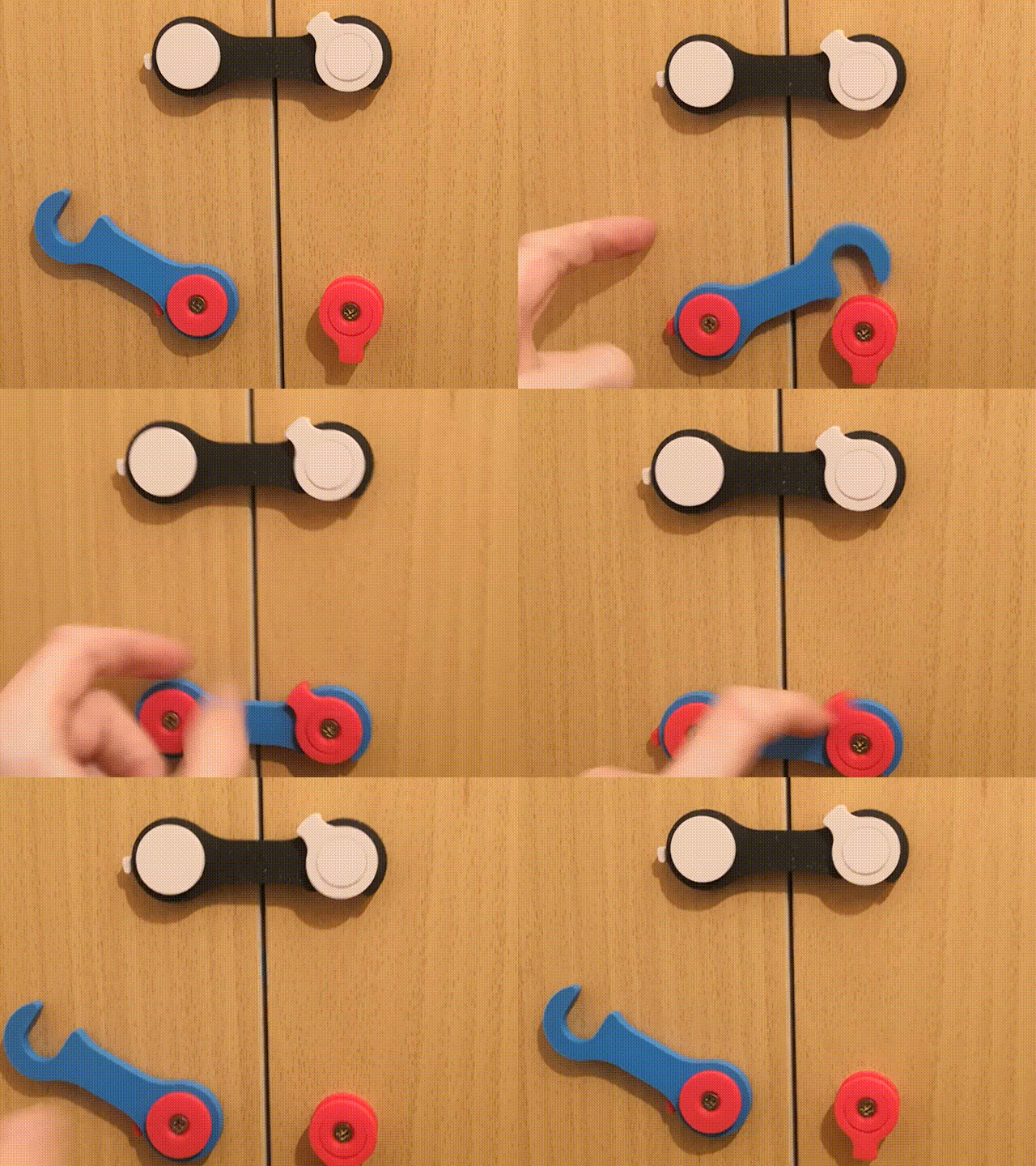
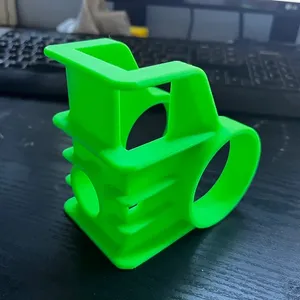

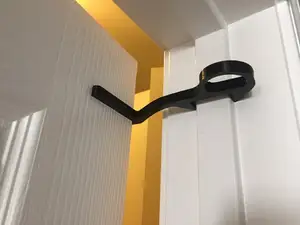
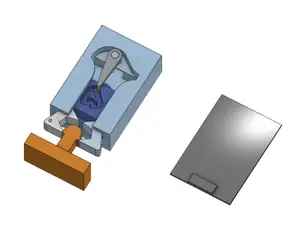
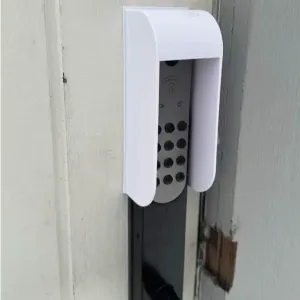


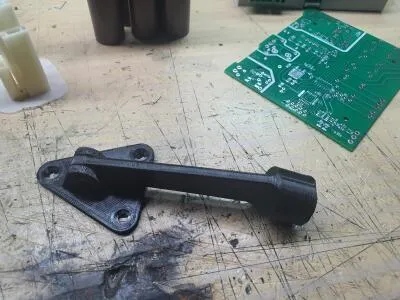
The models differ mainly in how they hold a door closed and how they mount. Sliding and bolt latches use a bar or hook that travels in a printed channel, while child and cabinet locks rely on a catch or strap that has to be released deliberately. Automotive parts are often bezels, rings or brackets that sit around an existing lock rather than the lock itself, and motorized designs add a housing for a small actuator.
Before printing, look at the dimensions and scale the author lists, because a latch made for one opening rarely matches another. Check the number of parts, how they assemble, whether springs or fasteners are required, and whether supports are needed for overhangs inside a channel or around a pin. The material and settings on the model page also matter: parts that flex or snap together behave differently in rigid and in softer filaments. Photos of real prints show how the mechanism sits once assembled.
If the results feel too broad, narrow them by mechanism type: bolt, hook, cam, magnetic catch, or a printed hinge with a stop. Related terms include latch, catch, hasp, keeper and striker, and adding a location such as cabinet, sliding door, gate or trunk changes the results noticeably. Searching for the part you want to replace, rather than the word lock alone, usually brings up closer matches.



O catálogo completo de temas — de casa e utilidades a CNC, com busca em todos os sites conectados.