
Grátis 
Ar-15 Barrel Nut Wrench with 1-1/8 inch Crow's foot, 1/2 inch drive
Thingiverse
This collection gathers 3D models for threaded adapters, reducing bushings and hex-drive feet used in pipework and furniture. Most of them are small parts that a 3D printer can produce in a single run, so a set can be built up over a few sessions. The variety comes from thread standards and from the way each part is meant to be fastened. Polyzon does not confirm whether models are free, their price, license, official status, affiliation, safety or fitness. Check the current terms at the source.
O texto desta coleção está em inglês; a busca funciona em qualquer idioma.
 Uma coleção do Polyzon · 47 modelos de 3 sites
O Polyzon monta esta coleção a partir dos resultados de busca dos sites conectados. Repetições e modelos sem prévia são removidos, correspondências fracas vão para o final e o restante segue a ordem da busca. Os modelos pertencem aos seus autores — confira os termos na página de cada modelo.
Regras de seleção: equipe editorial do Polyzon · Texto atualizado em 13/10/2026

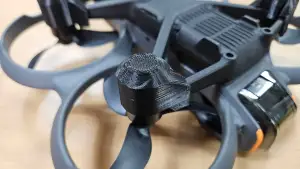
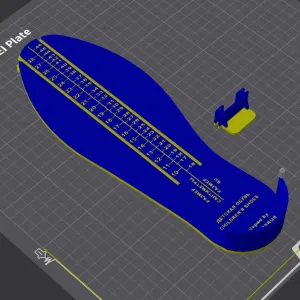

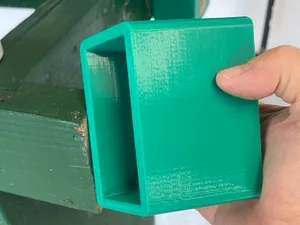
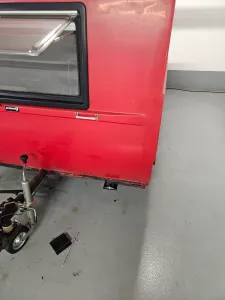

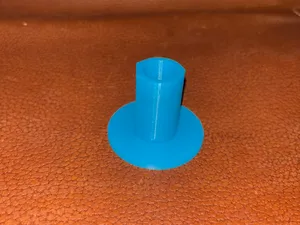
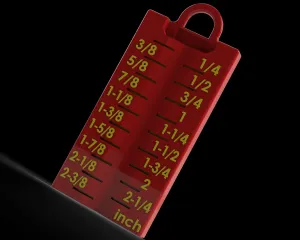

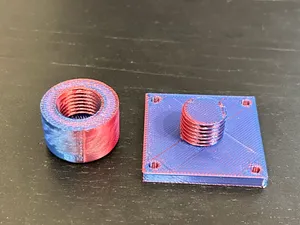
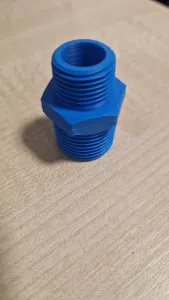

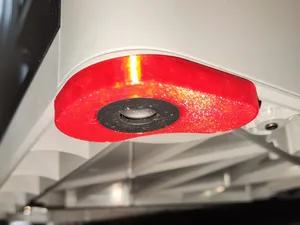
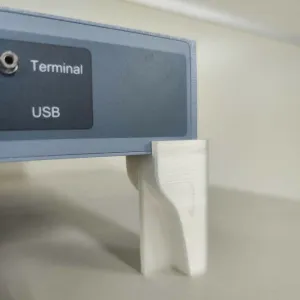

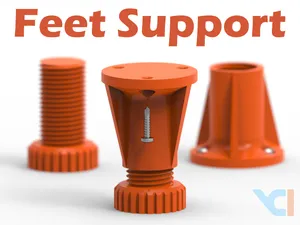
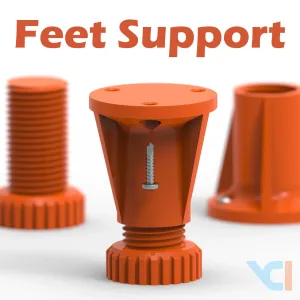

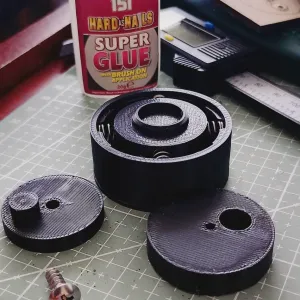

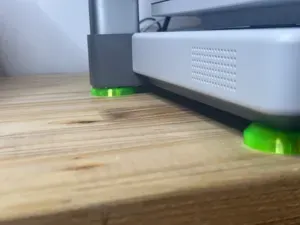
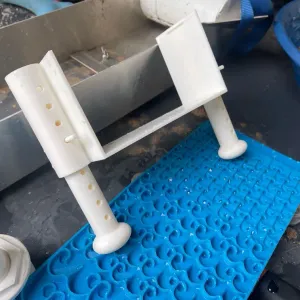

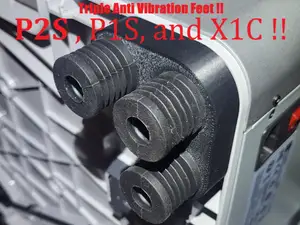
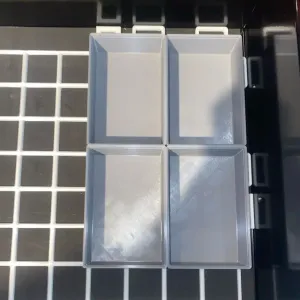

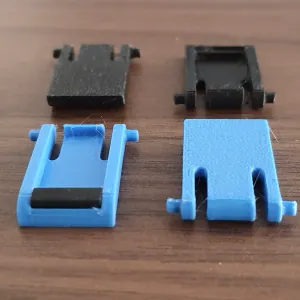

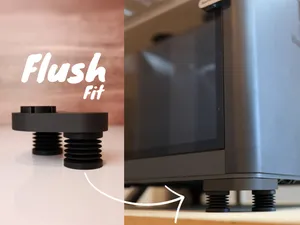
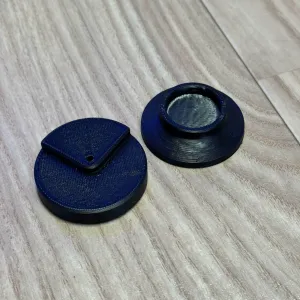

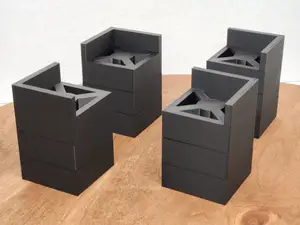
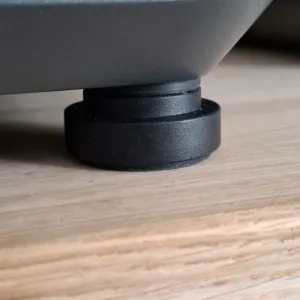

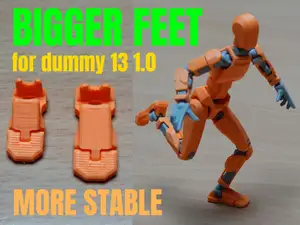
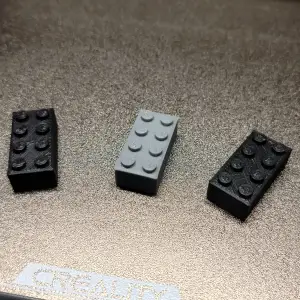

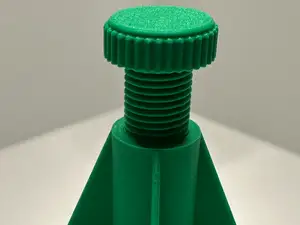
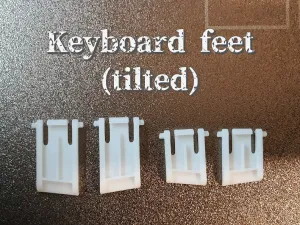
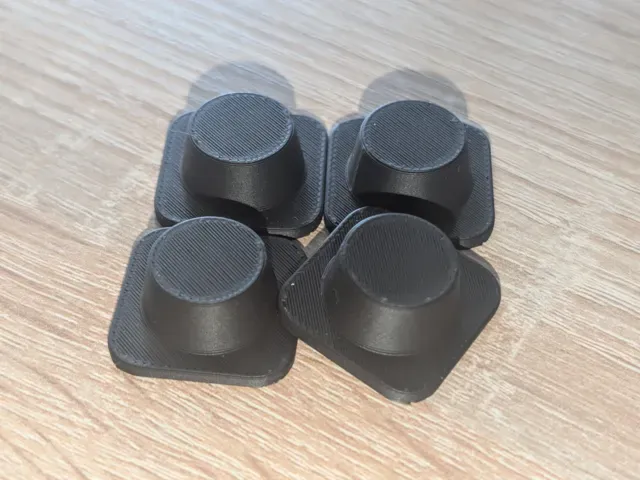
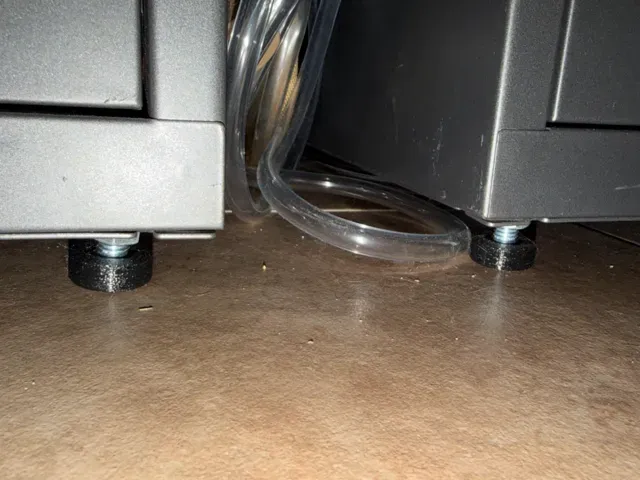
The parts fall into a few groups. Reducers step from a larger threaded opening down to a smaller one, while straight adapters join two openings of the same size. Hex feet and leveling pads carry a threaded stud or insert so a leg can be adjusted, and parametric spacers are modeled to be re-sized before export. Measuring aids are simpler: gauges and rulers that help you confirm a thread or a length before you commit to a print.
What separates one file from another is usually the thread itself. Check the nominal size and pitch the author states, the thread profile, and whether the model includes hex flats, a seal seat or a gasket groove. On the model page, look at the number of parts and how they assemble, whether supports are needed, the material and settings the author lists, and photos of real prints. Printed threads often need light rework, so some makers model a plain bore for a heat-set insert or a tap instead.
To widen the search, try the words people use for the same object: reducer, bushing, adapter, thread insert, hex foot, leveling foot, spacer, pipe fitting. Related topics are worth a look too, such as dust collection adapters, furniture feet, plumbing fittings and parametric thread generators. Adding a size or a thread standard to the query narrows the results faster than browsing a whole category.
A few practical points before you slice. Orientation decides how strong the thread turns out, so check which way the author placed the part on the bed. Wall thickness around a bore matters more than infill in most of these models. If a part has to seal, note whether the author shows a seat for tape, an O-ring or a flat gasket.
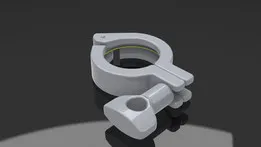


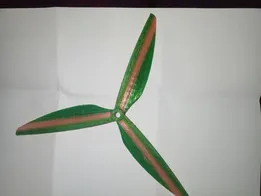

O catálogo completo de temas — de casa e utilidades a CNC, com busca em todos os sites conectados.