
Grátis 
Modern geometric Succulent plant pot
Thingiverse
This collection gathers STL files for planters built around a face: human features, cartoon characters, emoji grins, geometric heads. Most are sized for succulents and small houseplants, so they print on a common 3D printer without a large build volume. It is a useful starting point if you want a pot that reads as a decorative object rather than a plain cylinder. Polyzon does not confirm whether models are free, their price, license, official status, affiliation, safety or fitness. Check the current terms at the source.
O texto desta coleção está em inglês; a busca funciona em qualquer idioma.
 Uma coleção do Polyzon · 48 modelos de 4 sites
O Polyzon monta esta coleção a partir dos resultados de busca dos sites conectados. Repetições e modelos sem prévia são removidos, correspondências fracas vão para o final e o restante segue a ordem da busca. Os modelos pertencem aos seus autores — confira os termos na página de cada modelo.
Regras de seleção: equipe editorial do Polyzon · Texto atualizado em 14/10/2026


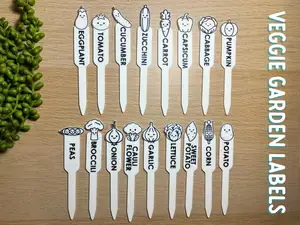


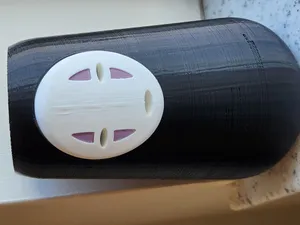
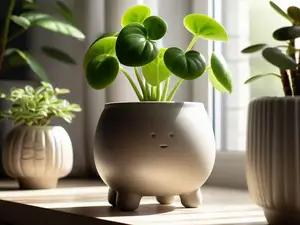


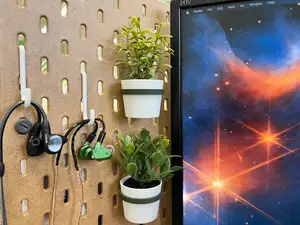
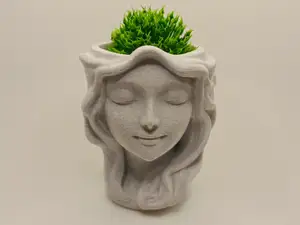


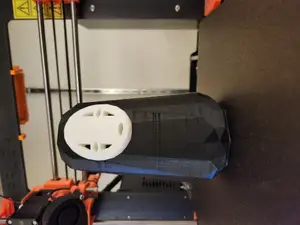
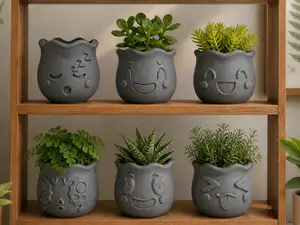


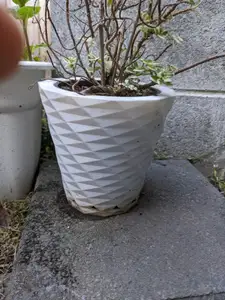
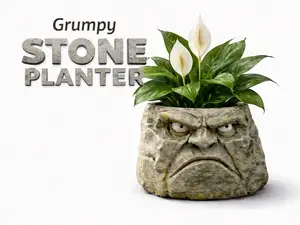

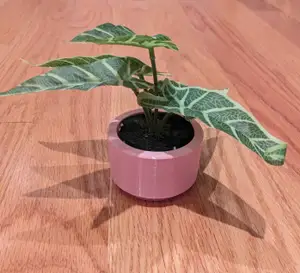
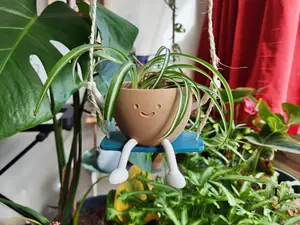


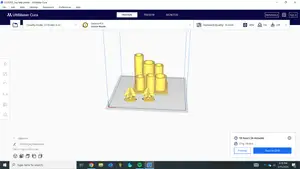
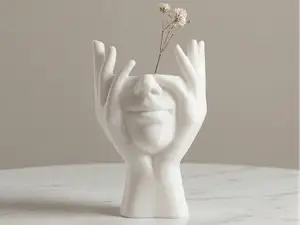


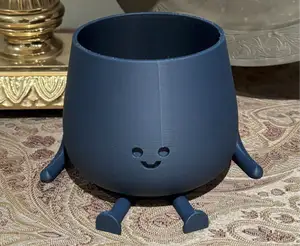


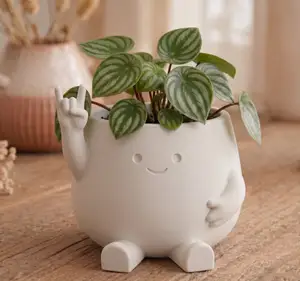
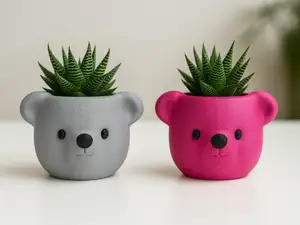


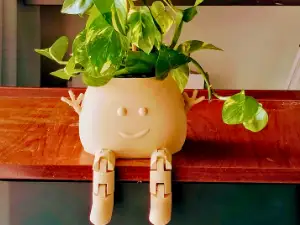


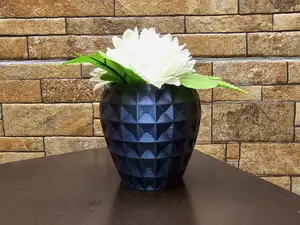
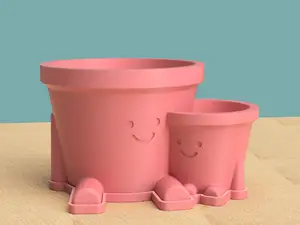
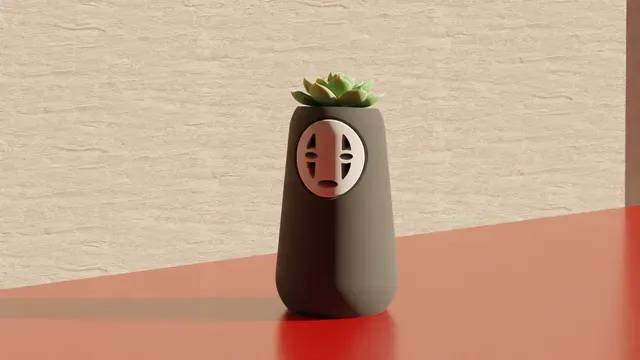
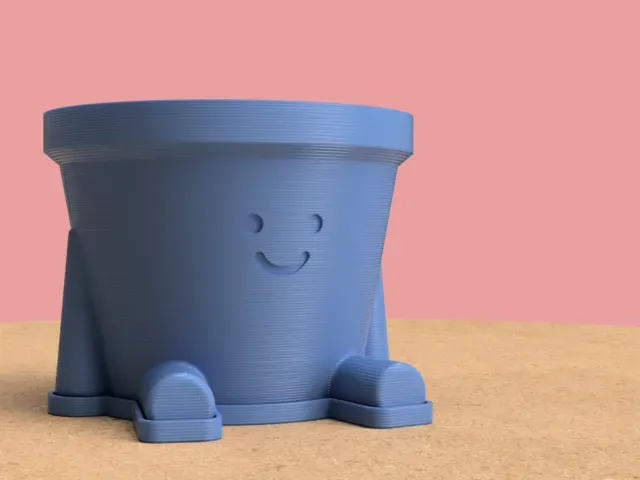
The models split into a few groups. Sculpted faces and baroque-style wall heads are mostly decorative shells, while character pots based on animation designs tend to be simpler shapes with painted or multi-color finishes. Emoji and smiley versions are usually compact and quick to print, and geometric or low-poly pots trade detail for clean flat surfaces that need little post-processing. Self-watering designs add an inner reservoir, which changes both the part count and the print time.
Before printing, open the author's page and read what is listed there: overall size and scale, wall thickness, number of separate parts and how they join, and whether the model needs supports. Check the material and settings the author names, since a thin decorative shell and a watertight reservoir call for different layer heights and perimeters. Photos of real prints are the quickest way to judge how the face reads once the layers are visible.
If the results feel narrow, try related wording: planter, flower pot, cachepot, succulent pot, head planter, wall planter. Adding a style term such as low poly, geometric, cartoon or baroque shifts the mix, as does naming the plant you have in mind. Searching by the shape of the face or by the character style usually returns more than a single keyword.
Drainage is the detail most often missed. A pot with a drainage hole needs a saucer or a printed tray underneath, while a solid decorative shell works better as a cover pot with a smaller nursery pot inside. Decide which of the two you want before choosing a file, because it affects the base geometry and how much material the print uses.



O catálogo completo de temas — de casa e utilidades a CNC, com busca em todos os sites conectados.