Grátis 
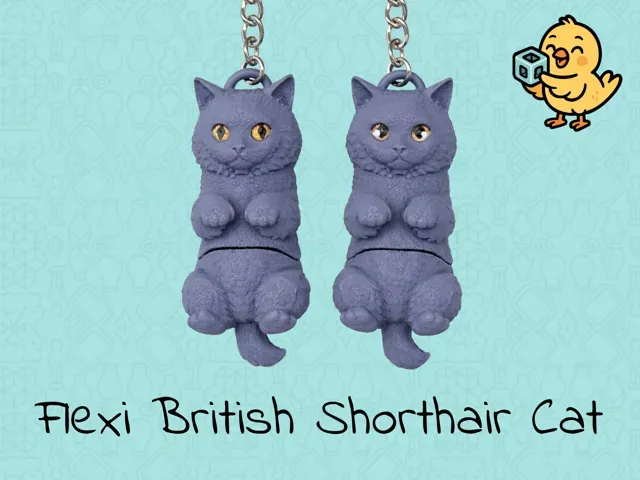
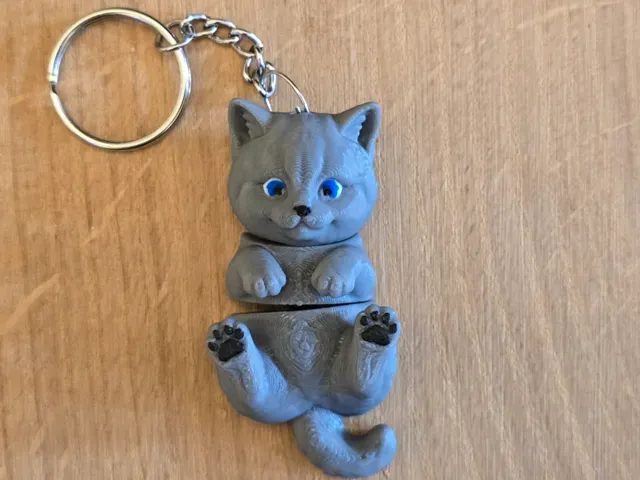
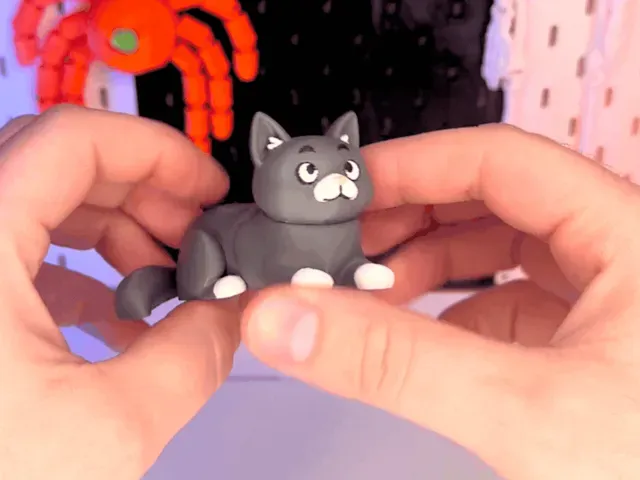
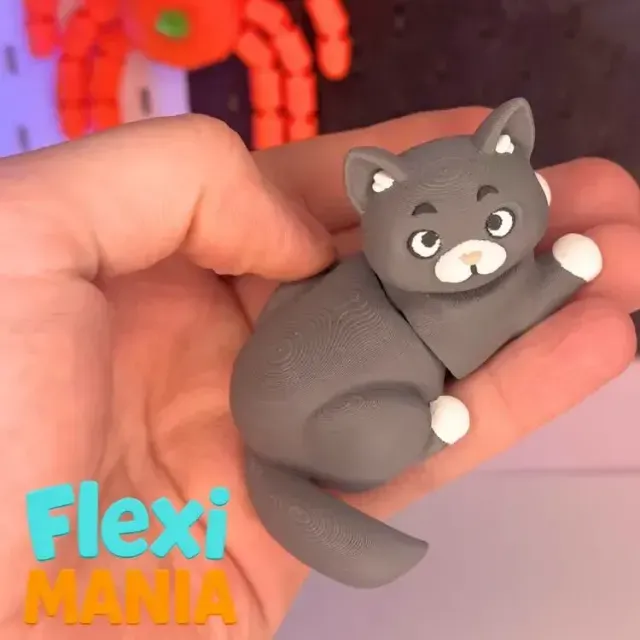
Flexi British ShortHair Cat Laying Down Keychain (Single Color)
Thingiverse
This collection gathers articulated cat models built around the British Shorthair look: rounded heads, thick tails and jointed bodies that move after printing. Most files are made for a standard FDM 3D printer, and many are small enough to work as keychains or desk pieces. It is a useful starting point if you want a flexible figure rather than a static cat sculpture. Polyzon does not confirm whether models are free, their price, license, official status, affiliation, safety or fitness. Check the current terms at the source.
O texto desta coleção está em inglês; a busca funciona em qualquer idioma.
 Uma coleção do Polyzon · 41 modelos de 4 sites
O Polyzon monta esta coleção a partir dos resultados de busca dos sites conectados. Repetições e modelos sem prévia são removidos, correspondências fracas vão para o final e o restante segue a ordem da busca. Os modelos pertencem aos seus autores — confira os termos na página de cada modelo.
Regras de seleção: equipe editorial do Polyzon · Texto atualizado em 15/10/2026
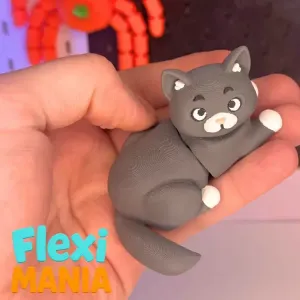


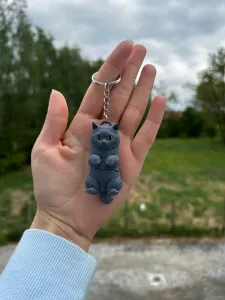
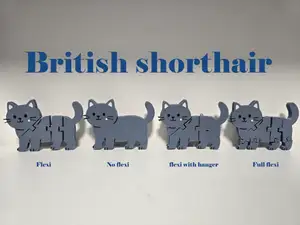
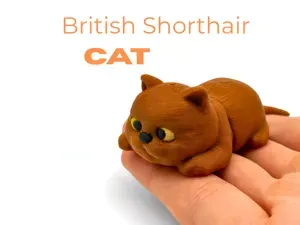

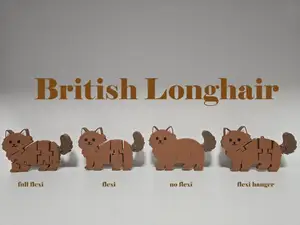
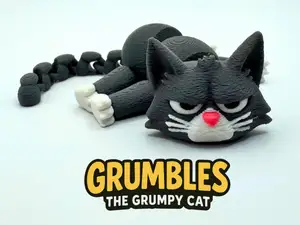
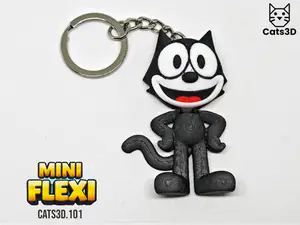
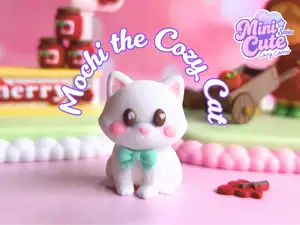
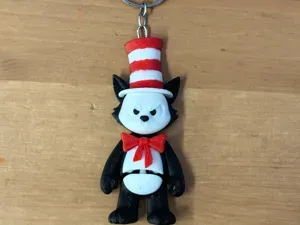
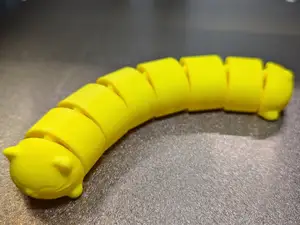

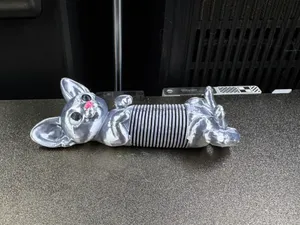
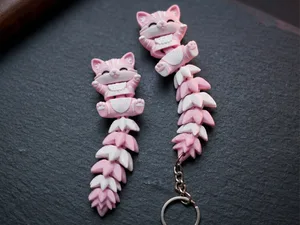
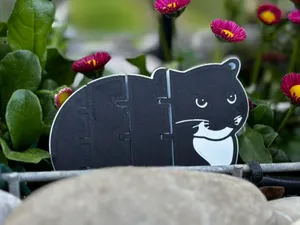
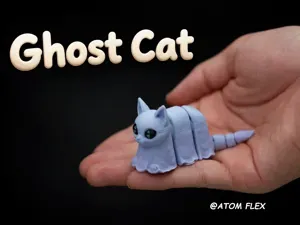
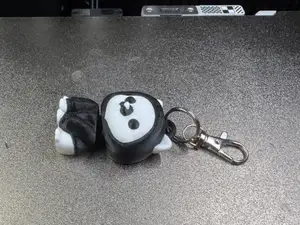
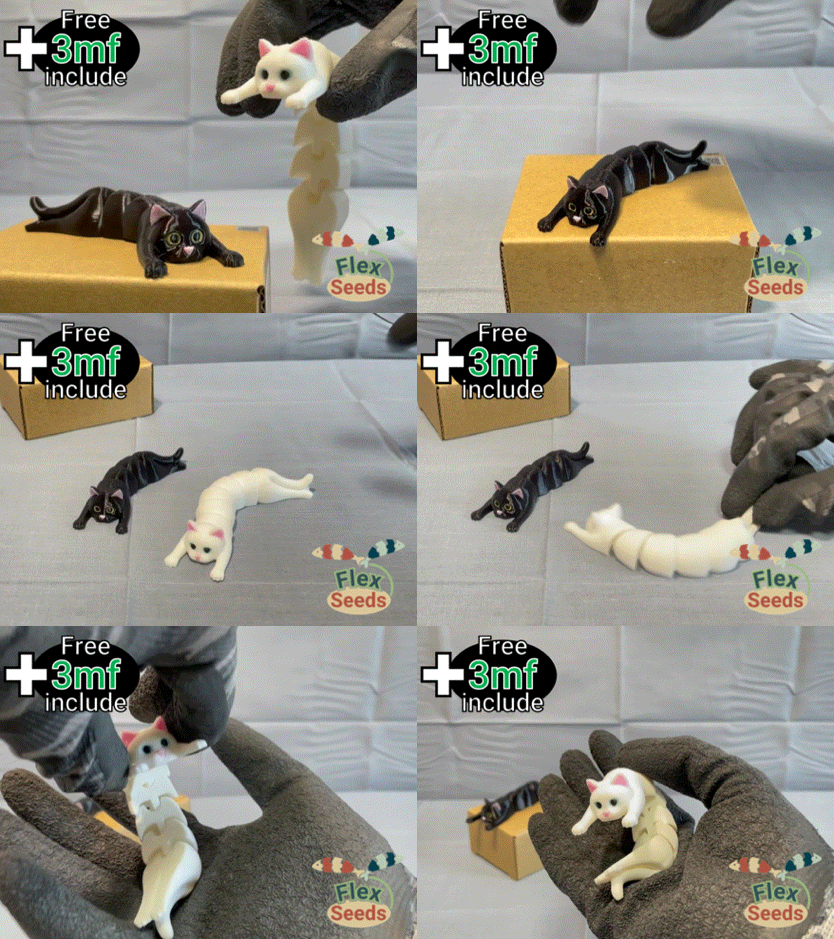
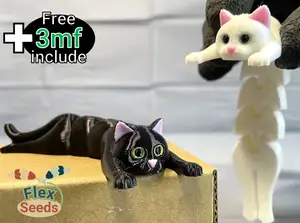

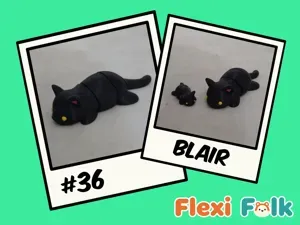
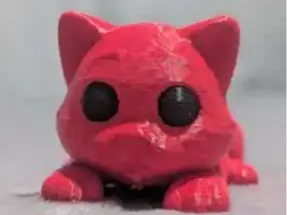


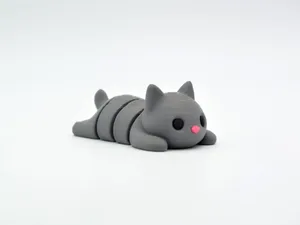
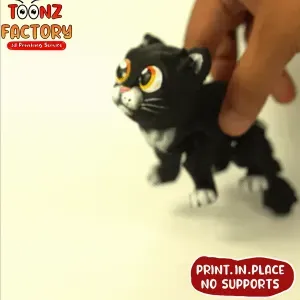

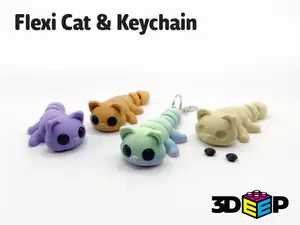
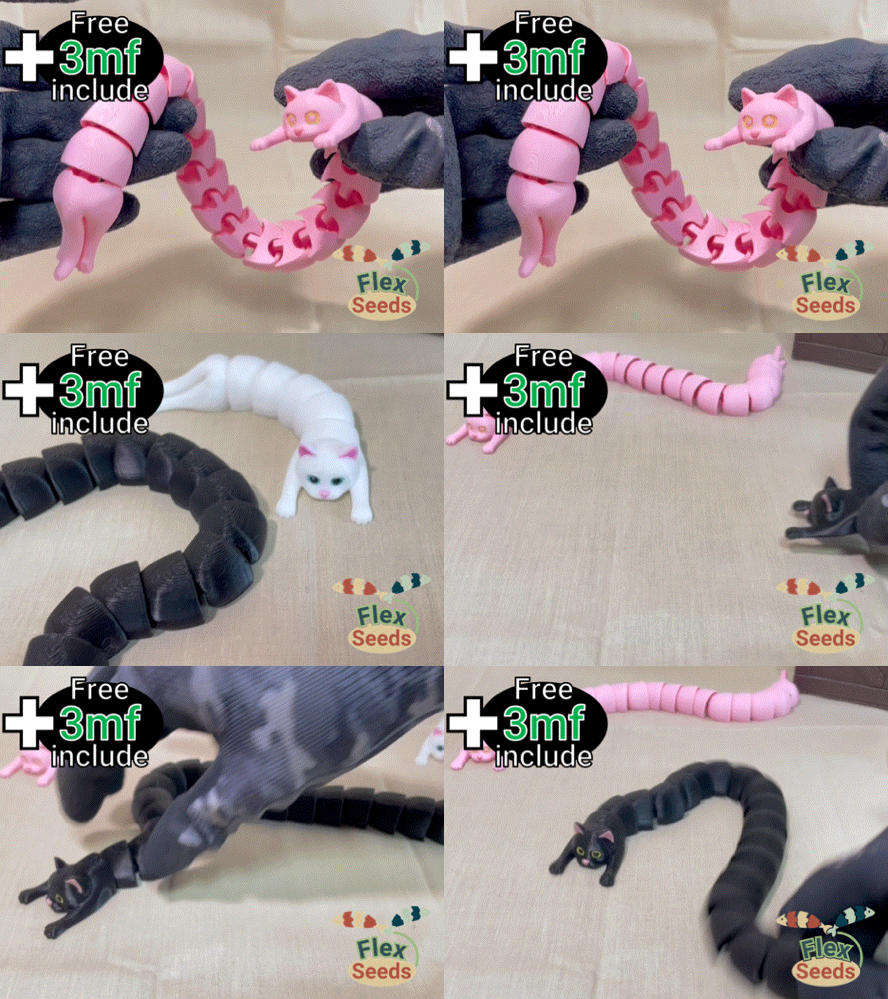
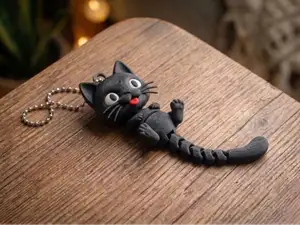


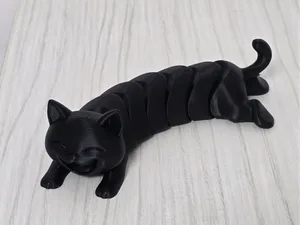
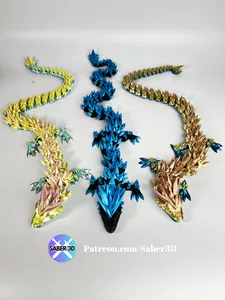
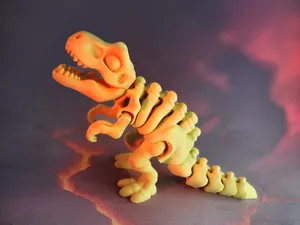
The models here split into a few groups. Full-size flexi cats have segmented spines, legs and tails that bend in your hand, while keychain versions shrink the same idea to a few centimetres with a loop for a ring. Some files are print-in-place, meaning the joints are already separated in the mesh and the piece comes off the plate ready to move; others are split into parts you assemble after printing. British Shorthair variants usually keep the heavy cheeks and dense tail of the breed, and a few remixes push the shape toward knitted textures, lazy poses or hybrid creatures.
When choosing a file, open the author's page and read what they list. Check the overall size and scale, how many parts the model has, whether the joints need clearance tuning, and whether supports are required for the head or tail. Material and settings matter for articulation: PLA keeps joints crisp, while PETG or TPU can give more give, and a slightly looser flow or a small horizontal expansion value often decides whether the joints move or fuse. Look at photos of real prints to judge how the segments separate.
If the results feel narrow, try related wording. Searches for articulated cat, flexi kitten, print-in-place cat or cat keychain usually surface overlapping sets, and swapping the breed term for a body type or pose brings in different designs. Related topics such as articulated animals, flexi toys and animal keychains widen the pool further. Sorting by newest or by popularity shifts what you see, so it helps to run the same query a couple of ways before settling on a file.

O catálogo completo de temas — de casa e utilidades a CNC, com busca em todos os sites conectados.