Grátis 
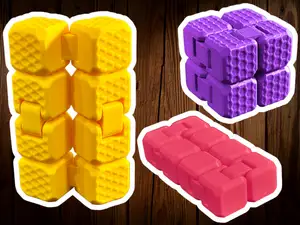
Rotating Squares Fidget Toy
Thingiverse
This collection gathers 3D models built around a cube that turns, spins or slides — fidget toys, puzzle mechanisms, gear assemblies and lamp bodies. Most of them are small enough to print on a standard 3D printer, and many are designed to work straight off the plate. It is a useful starting point if you want a moving object rather than a static one. Polyzon does not confirm whether models are free, their price, license, official status, affiliation, safety or fitness. Check the current terms at the source.
O texto desta coleção está em inglês; a busca funciona em qualquer idioma.
 Uma coleção do Polyzon · 47 modelos de 4 sites
O Polyzon monta esta coleção a partir dos resultados de busca dos sites conectados. Repetições e modelos sem prévia são removidos, correspondências fracas vão para o final e o restante segue a ordem da busca. Os modelos pertencem aos seus autores — confira os termos na página de cada modelo.
Regras de seleção: equipe editorial do Polyzon · Texto atualizado em 15/10/2026
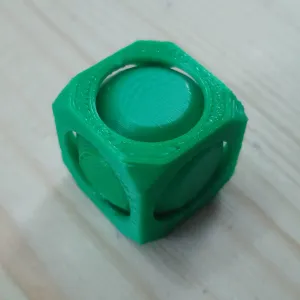

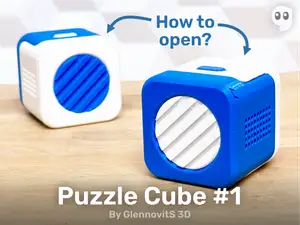
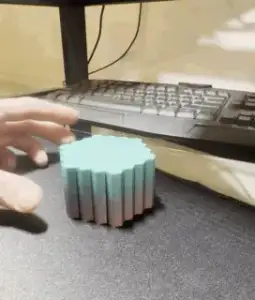


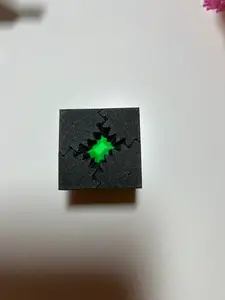
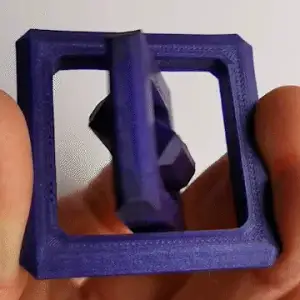


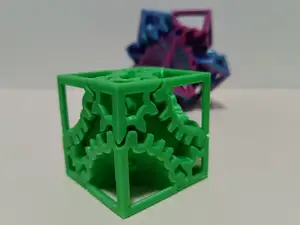
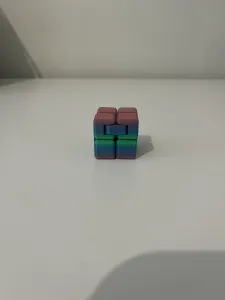

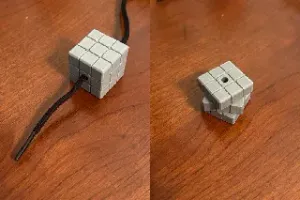
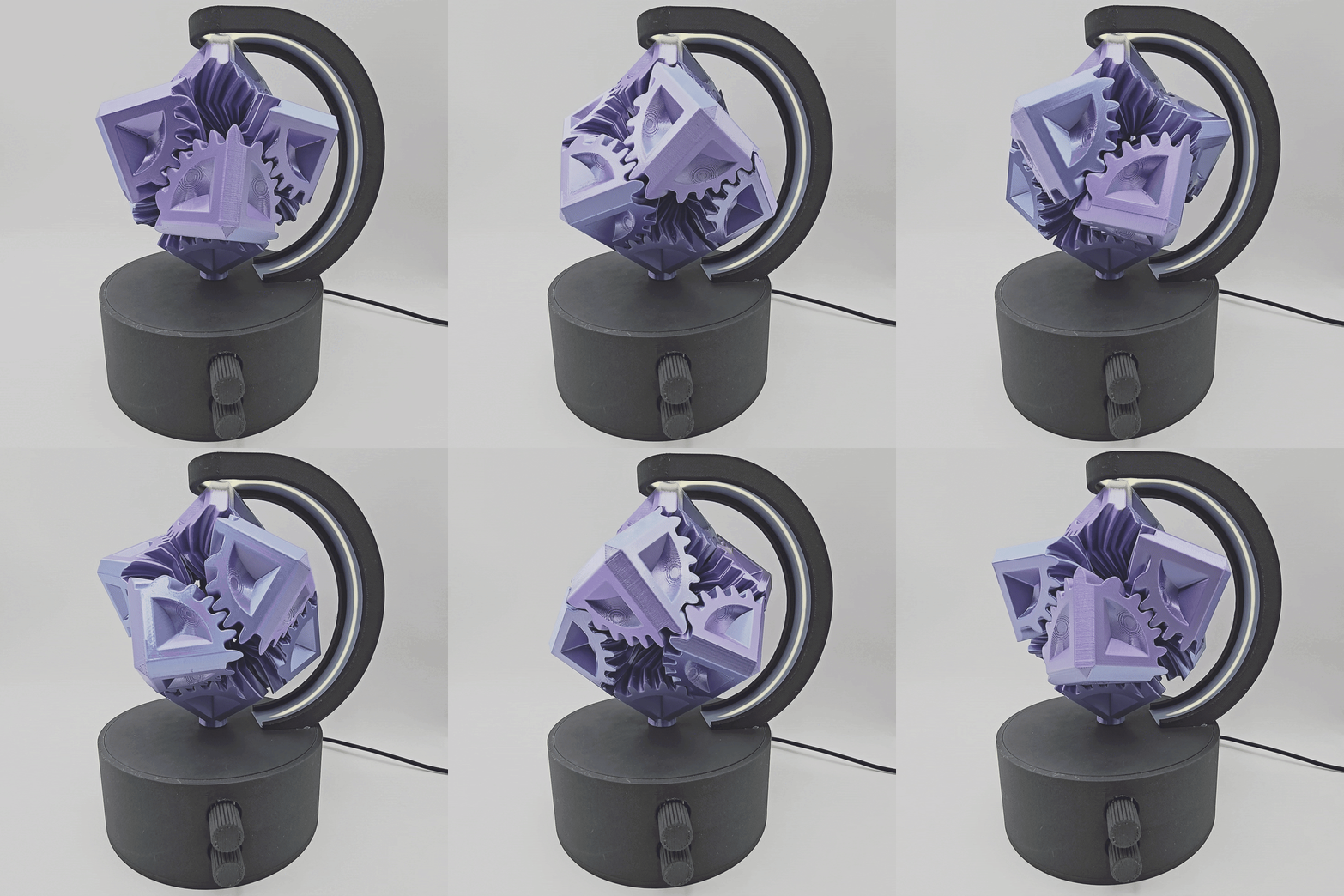
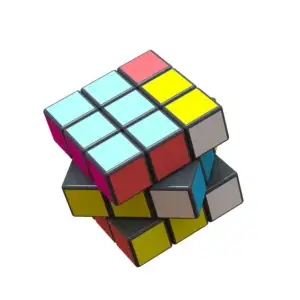


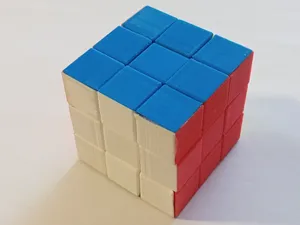


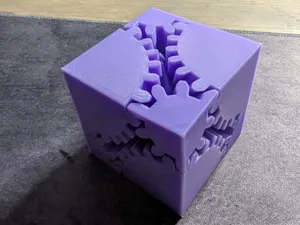
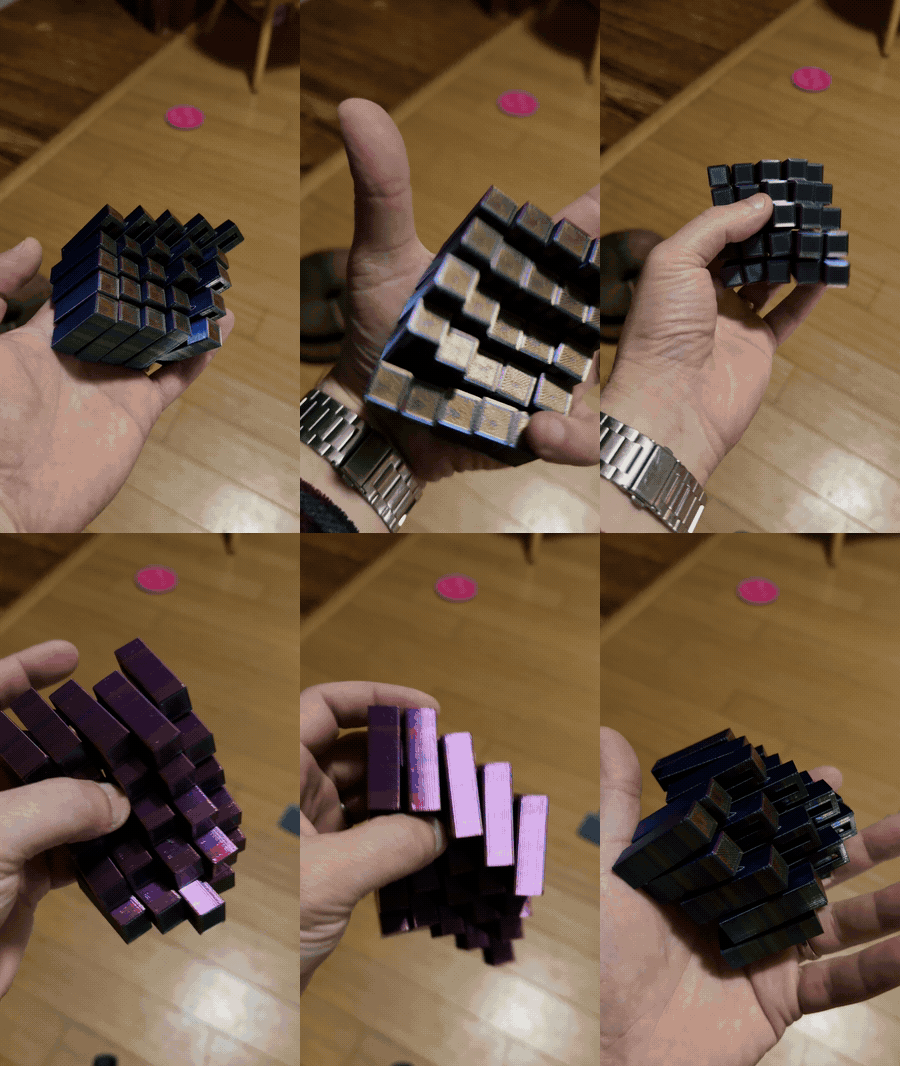

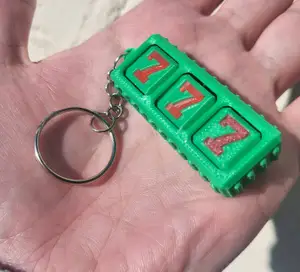
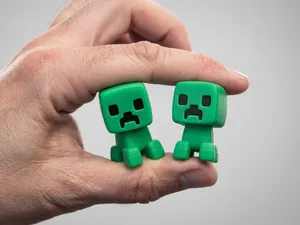
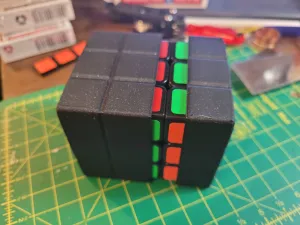


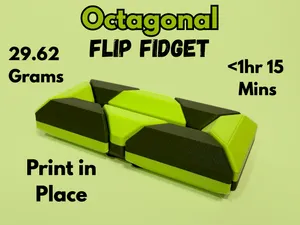
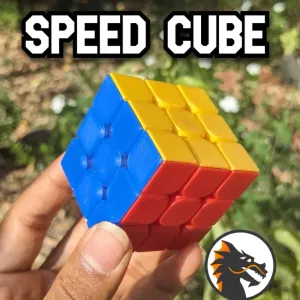


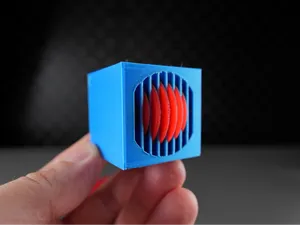
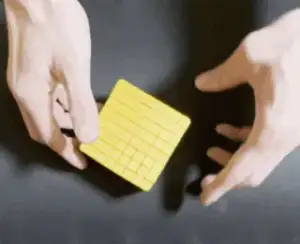


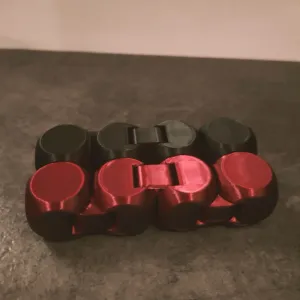


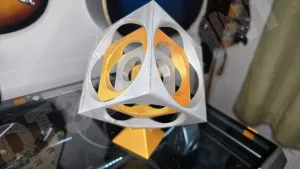

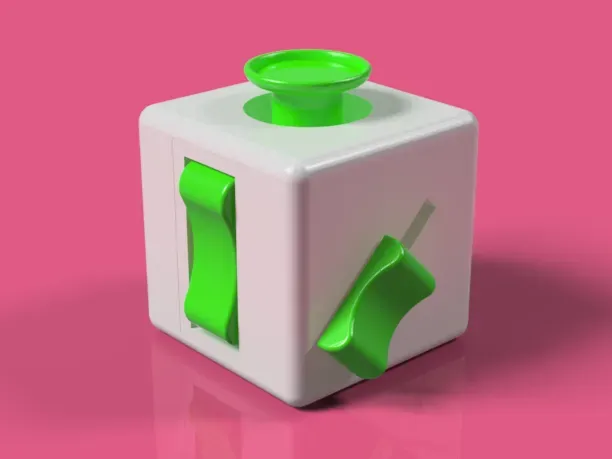
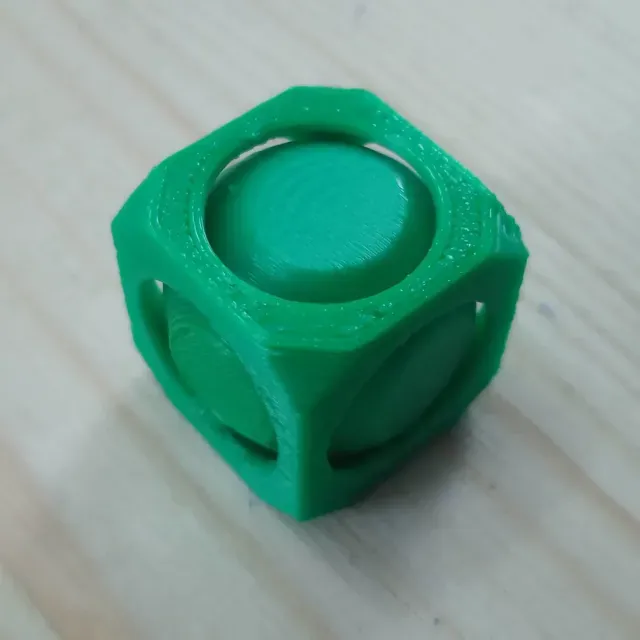
The models fall into a few groups. Fidget versions use rotating squares, sliding segments or a cube inside another shape, and they are usually handled rather than solved. Puzzle versions add a sequence or a mechanism you have to work out, and gear-driven designs use printed teeth to transfer motion between faces. Lamp variants replace solid walls with thin panels so light passes through the cube.
When choosing a model, look at the number of separate parts and whether assembly is required, since some designs print as one piece and others need screws, axles or glue. Check the clearances and tolerances the author lists, because moving parts depend on the gap between surfaces. Read the material and settings notes, and look at photos of real prints to judge how the rotation behaves after printing.
To narrow the results, try related terms such as fidget, spinner, infinity cube, brainteaser, print-in-place, gear or lithophane, and combine them with words like desk toy or lamp. Searching for a mechanism instead of an object — rotating joint, hinge, bearing — often surfaces models that are not labelled as cubes. Adding a material or nozzle size to the query can also filter out designs that assume different hardware.




O catálogo completo de temas — de casa e utilidades a CNC, com busca em todos os sites conectados.