
Grátis 
Female locomotive train driver (F001)
Thingiverse
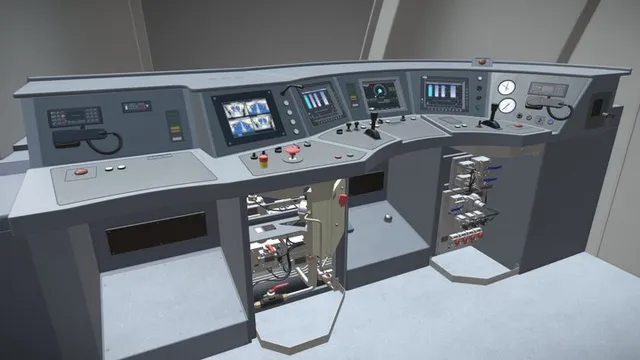
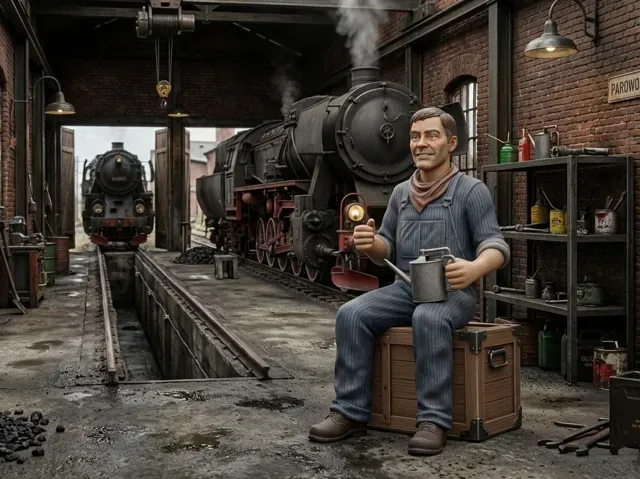
This collection gathers 3D models built around the figure of the train driver: standing and seated characters, cab interiors, control consoles and a few related props. It is useful when you are populating a railway diorama, a layout or a desk scene and need a person at the controls rather than another piece of rolling stock. Most entries are small STL parts, so they print quickly on a typical 3D printer and can be scaled to match the rest of your setup. Polyzon does not confirm whether models are free, their price, license, official status, affiliation, safety or fitness. Check the current terms at the source.
O texto desta coleção está em inglês; a busca funciona em qualquer idioma.
 Uma coleção do Polyzon · 48 modelos de 7 sites
O Polyzon monta esta coleção a partir dos resultados de busca dos sites conectados. Repetições e modelos sem prévia são removidos, correspondências fracas vão para o final e o restante segue a ordem da busca. Os modelos pertencem aos seus autores — confira os termos na página de cada modelo.
Regras de seleção: equipe editorial do Polyzon · Texto atualizado em 12/10/2026




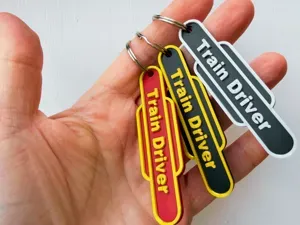
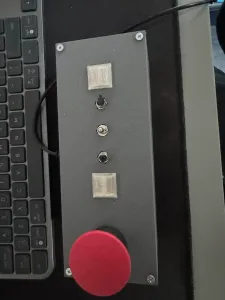
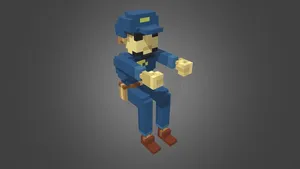


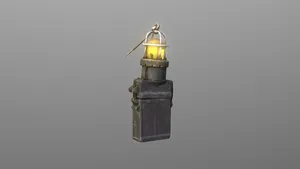
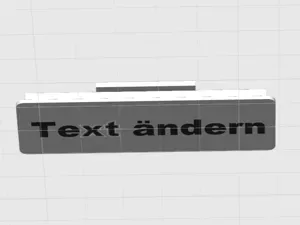

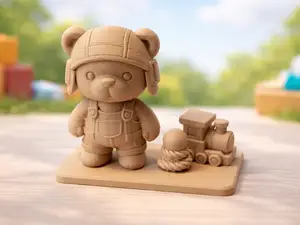
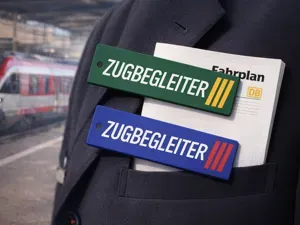
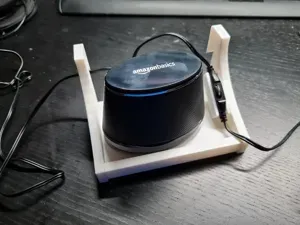

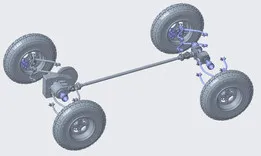

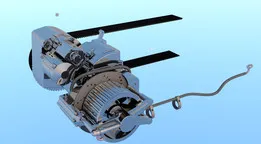
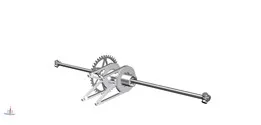





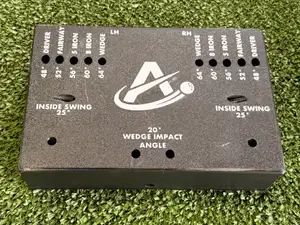


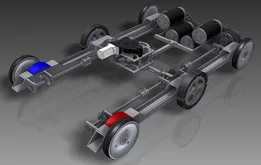
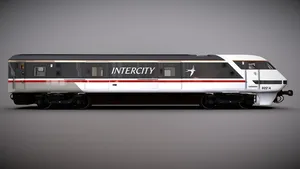
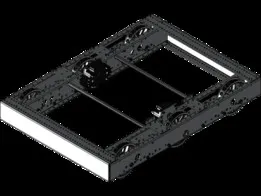
The models fall into a few recognisable groups. Character figures cover both male and female drivers, some standing with tools such as a wrench or an oil can, others posed for a seat. A second group is scale-specific: figures and driver wheels sized for a stated gauge or modelling scale, often tied to a historical period. A third group covers cab equipment — consoles, control desks and panel sections — plus brick-style minifigures and wheel sets for builders who work with studded parts.
When you open a model page, start with the stated size and scale and compare it with the stock or figures you already have. Check how many parts the model is split into and whether assembly is expected, since a seated driver may come as separate torso, arms and head. Look at whether the author calls for supports, and read the material and layer settings they list. Photos of finished prints are the most useful signal of how the small details — a cap brim, a hand on a lever — actually come out at your scale.
Searching is easier if you vary the wording. Alongside the topic itself, try terms such as locomotive crew, engine driver, cab interior, control desk, railway staff, or the scale you work in. Related subjects are worth exploring too: signal boxes, station platforms, track-side workers and passenger figures fill the same scene. If you are after a particular look, combine a role word with a period or a gauge rather than relying on one broad query.




O catálogo completo de temas — de casa e utilidades a CNC, com busca em todos os sites conectados.