
Grátis 
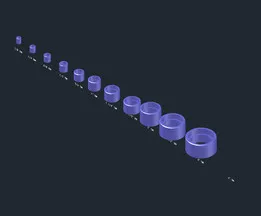
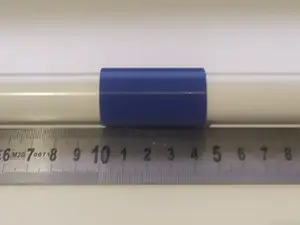
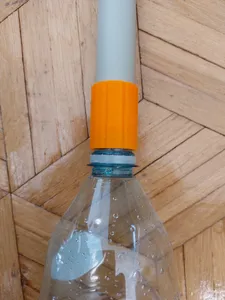
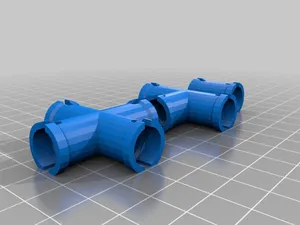
Набор 9-мм трубчатых соединителей Fourmis51
Cults3D
This collection gathers 3D models of pipe couplings: threaded versions, flexible sleeves, quick-connect parts and adapters between different diameters. Most files are meant for 3D printing on a desktop 3D printer, and some are parametric generators rather than a single fixed STL. It helps you find a coupling shape close to your pipe size, then adjust it in the slicer or in the source file. Polyzon does not confirm whether models are free, their price, license, official status, affiliation, safety or fitness. Check the current terms at the source.
O texto desta coleção está em inglês; a busca funciona em qualquer idioma.
 Uma coleção do Polyzon · 45 modelos de 9 sites
O Polyzon monta esta coleção a partir dos resultados de busca dos sites conectados. Repetições e modelos sem prévia são removidos, correspondências fracas vão para o final e o restante segue a ordem da busca. Os modelos pertencem aos seus autores — confira os termos na página de cada modelo.
Regras de seleção: equipe editorial do Polyzon · Texto atualizado em 10/10/2026

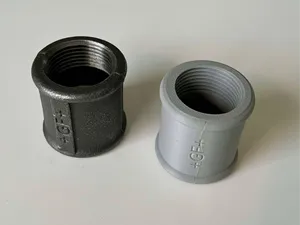
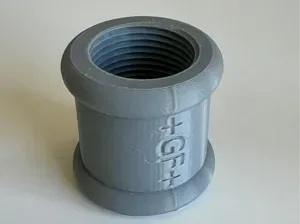
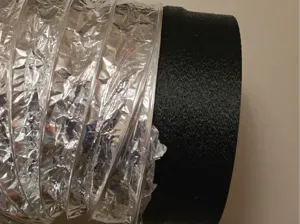
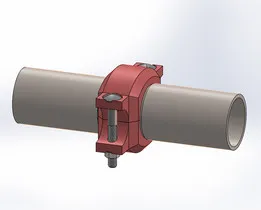


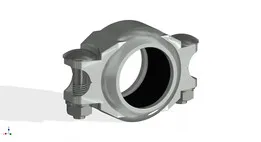


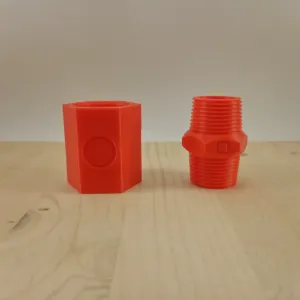
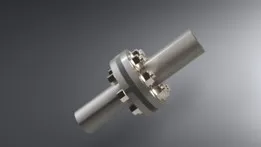


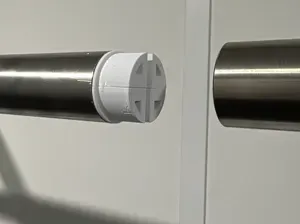
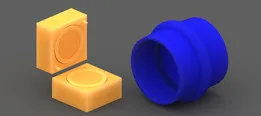
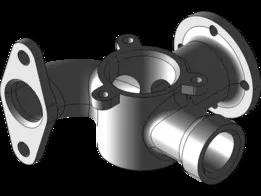
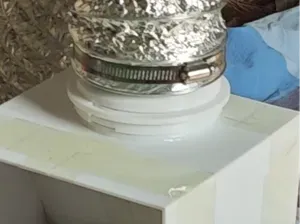


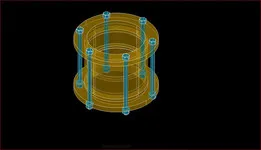
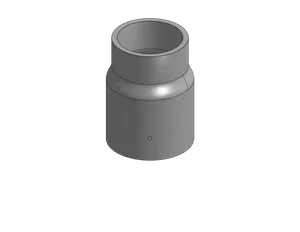


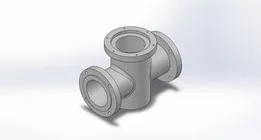



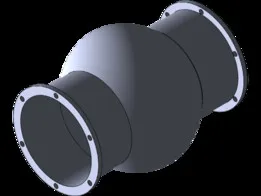



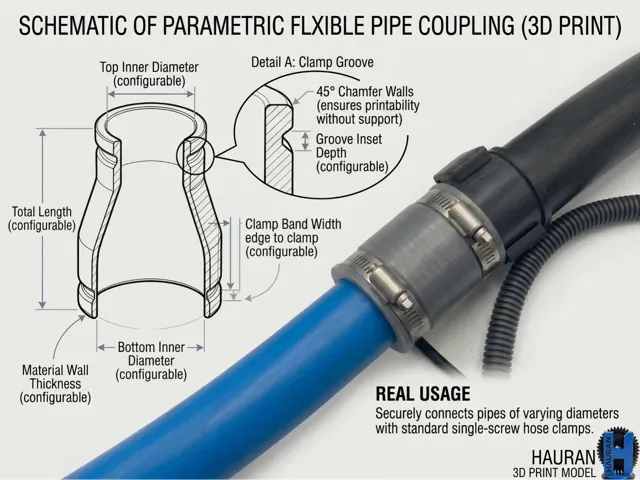
The models differ mainly in how they join two pipes. Threaded couplings use BSP or NPT profiles and are usually printed as rigid parts, while flexible couplings are printed in TPU or another soft filament so the joint can bend or absorb movement. Quick-connect and grooved designs rely on a mechanical lock or a clamp instead of threads, and adapter models step between two different diameters or thread standards.
Before printing, open the author's model page and read what is listed there: nominal pipe size and thread standard, wall thickness, number of parts and whether they assemble with glue, screws or a press fit. Check whether the file is a single solid body or a multi-part assembly, and whether the thread is modeled at full depth or intended to be cut afterwards. The material and settings the author lists matter more than the preview image, so compare them with photos of real prints.
To narrow the search, combine the coupling type with the connection standard or the pipe size, for example threaded, compression, grooved, reducer or sleeve. Related terms such as pipe adapter, hose connector, thread insert, collet or manifold fitting often lead to the same family of parts. If nothing matches, look for parametric generators where you can set the diameter and thread pitch yourself, or for a mold if you plan to cast the coupling in silicone.




O catálogo completo de temas — de casa e utilidades a CNC, com busca em todos os sites conectados.