
Grátis 
S-LINE AUDI EMBLEM
Thingiverse
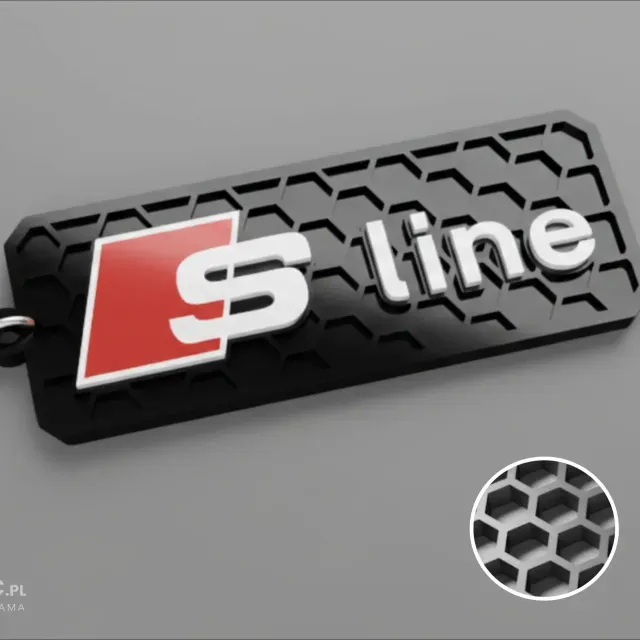
This collection gathers 3D models built around Audi S-line nameplates, badges and logo signs. It covers flat emblems, illuminated versions, editable text plates and signs tied to particular body models. If you are looking for an STL to print as a garage sign, a desk piece or a small car accessory, the range here gives you several directions to start from. Polyzon does not confirm whether models are free, their price, license, official status, affiliation, safety or fitness. Check the current terms at the source.
O texto desta coleção está em inglês; a busca funciona em qualquer idioma.
 Uma coleção do Polyzon · 48 modelos de 3 sites
O Polyzon monta esta coleção a partir dos resultados de busca dos sites conectados. Repetições e modelos sem prévia são removidos, correspondências fracas vão para o final e o restante segue a ordem da busca. Os modelos pertencem aos seus autores — confira os termos na página de cada modelo.
Regras de seleção: equipe editorial do Polyzon · Texto atualizado em 12/10/2026

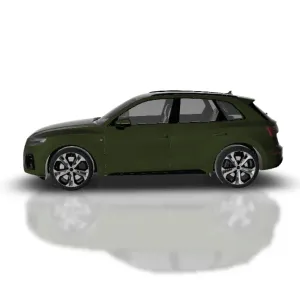

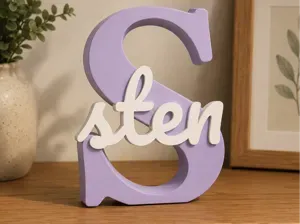
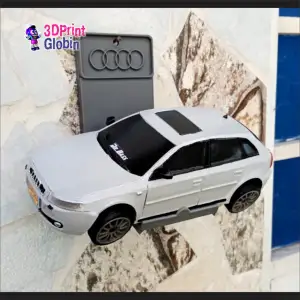

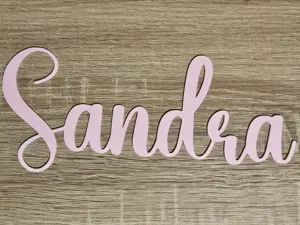
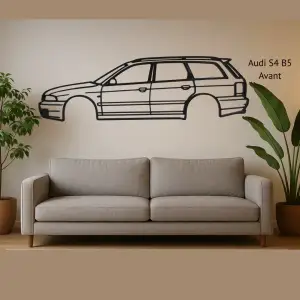

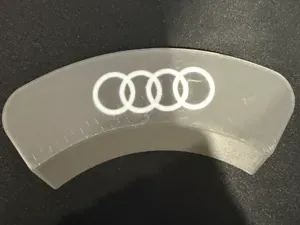
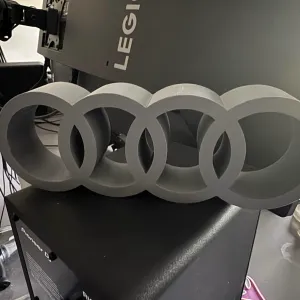


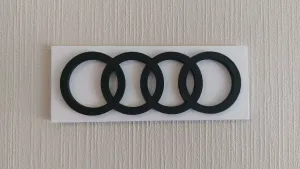

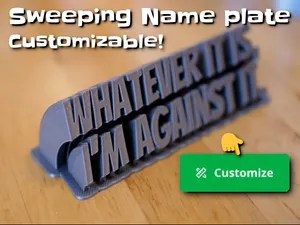

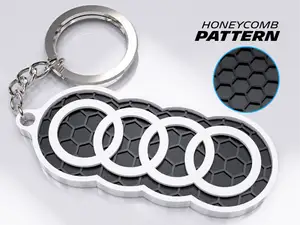
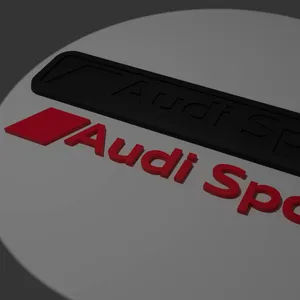

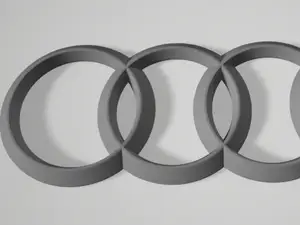
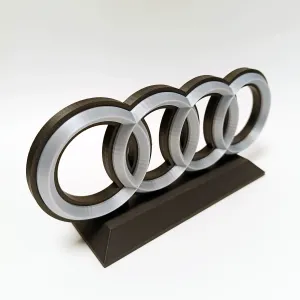

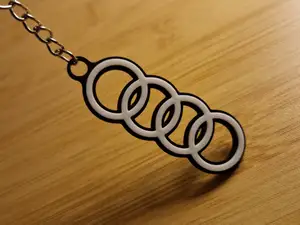
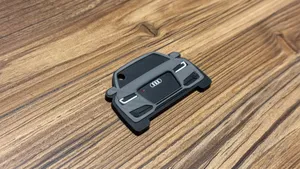

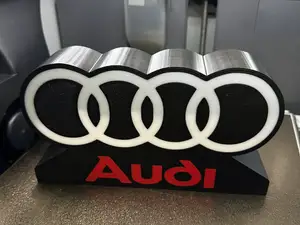
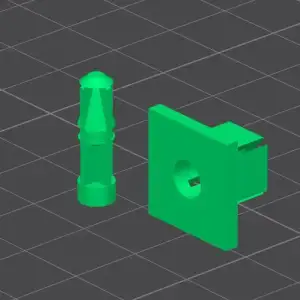

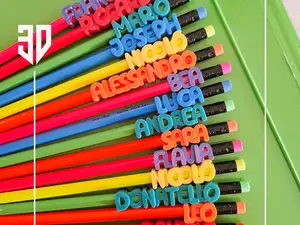
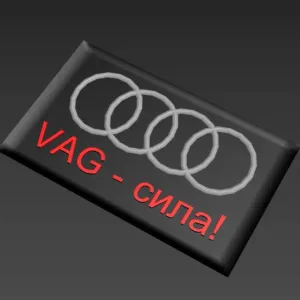

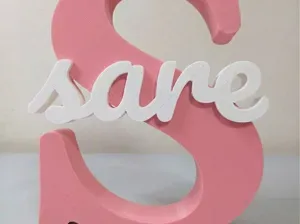
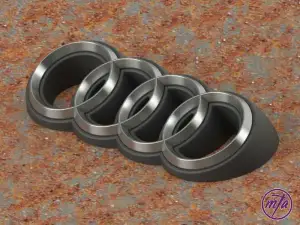

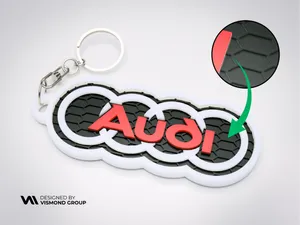
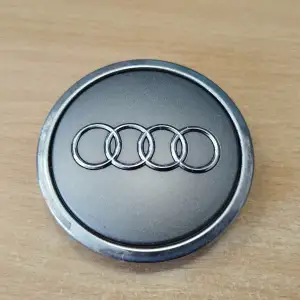

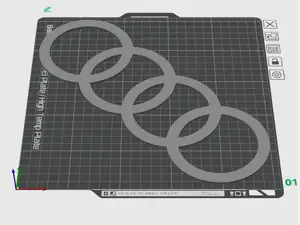
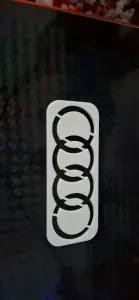

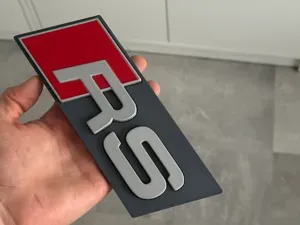
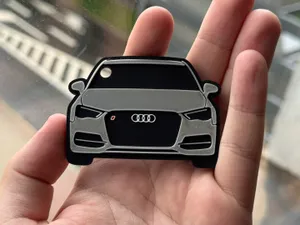
The models fall into a few recognisable groups. Flat emblems and badges reproduce the S-line lettering as a single plate, while illuminated versions add a housing for a light strip or LED module. Editable name plates work the other way round: the lettering is the variable part, and some files are set up so you can swap the text before slicing. Signs tied to a specific body model usually come as larger display pieces, sometimes with a wall bracket.
When choosing a file, open the author's page and read what is listed there. Check the overall size and scale, since a badge meant for a grille and a desk ornament differ by a large factor. Look at the number of separate parts, how they join, and whether the geometry needs supports on the overhangs. The material and settings the author names matter too: parts that stay outdoors are often printed in ASA or PETG, while indoor signs are commonly done in PLA. Photos of real prints show how the lettering and thin edges come out at the chosen layer height.
To widen or narrow the results, try different spellings and word orders: the trim name appears both with and without a hyphen, and the same object may be described as an emblem, a badge, a logo or a sign. Adding the body model or a year to the query shifts the results toward a particular shape. Related searches such as keychains, desk ornaments, wall plaques or custom lettering lead to neighbouring files, and combining a generic term like name plate with a two-line layout brings up editable templates.




O catálogo completo de temas — de casa e utilidades a CNC, com busca em todos os sites conectados.