
Grátis 
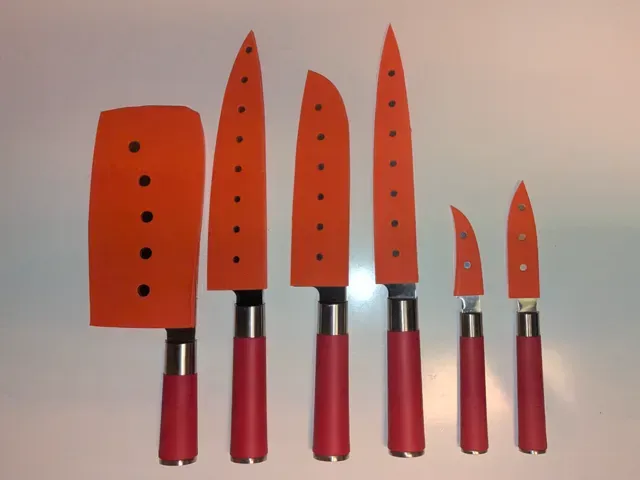
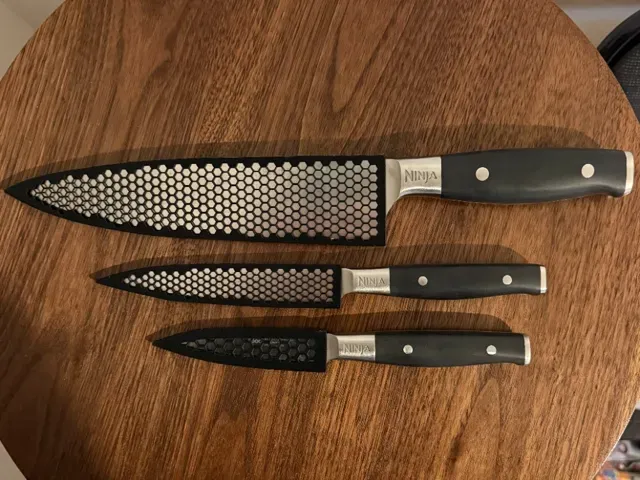
Parametric Kitchen Knife Sheath (Improved Remix)
Printables
This collection gathers 3D models of knife sheaths, scabbards and blade guards, from kitchen knives to utility blades and costume props. The files are meant for 3D printing, and many are parametric, so dimensions can be adjusted before slicing. It helps when you want a cover that matches a specific blade rather than a generic shape. Polyzon does not confirm whether models are free, their price, license, official status, affiliation, safety or fitness. Check the current terms at the source.
O texto desta coleção está em inglês; a busca funciona em qualquer idioma.
 Uma coleção do Polyzon · 48 modelos de 5 sites
O Polyzon monta esta coleção a partir dos resultados de busca dos sites conectados. Repetições e modelos sem prévia são removidos, correspondências fracas vão para o final e o restante segue a ordem da busca. Os modelos pertencem aos seus autores — confira os termos na página de cada modelo.
Regras de seleção: equipe editorial do Polyzon · Texto atualizado em 12/10/2026





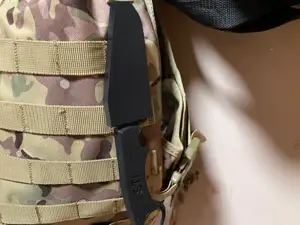

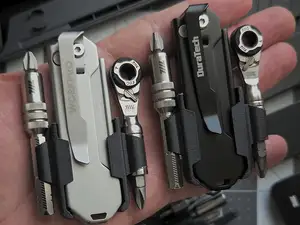


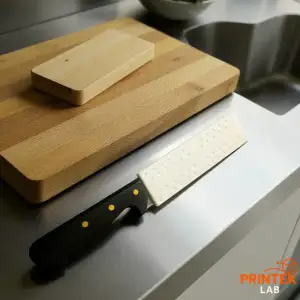


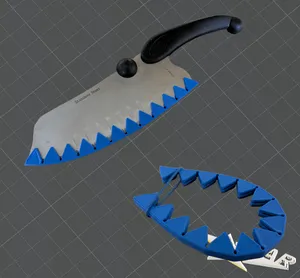

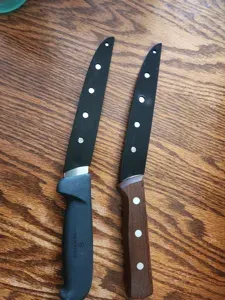


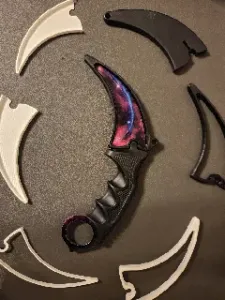
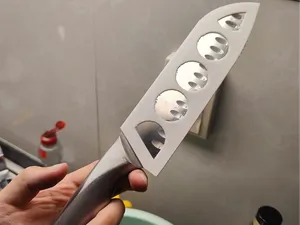


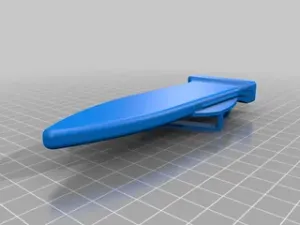


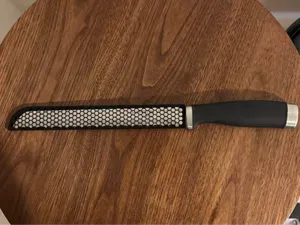
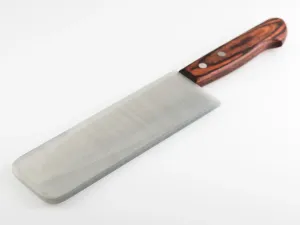

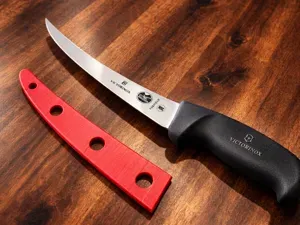


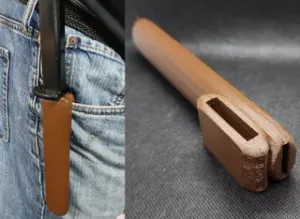
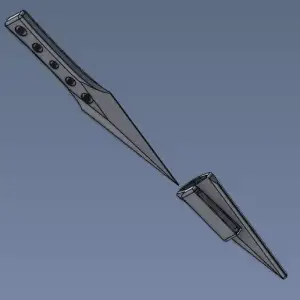

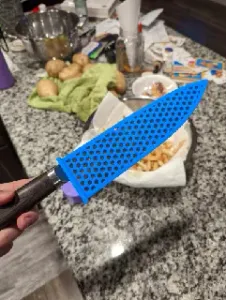

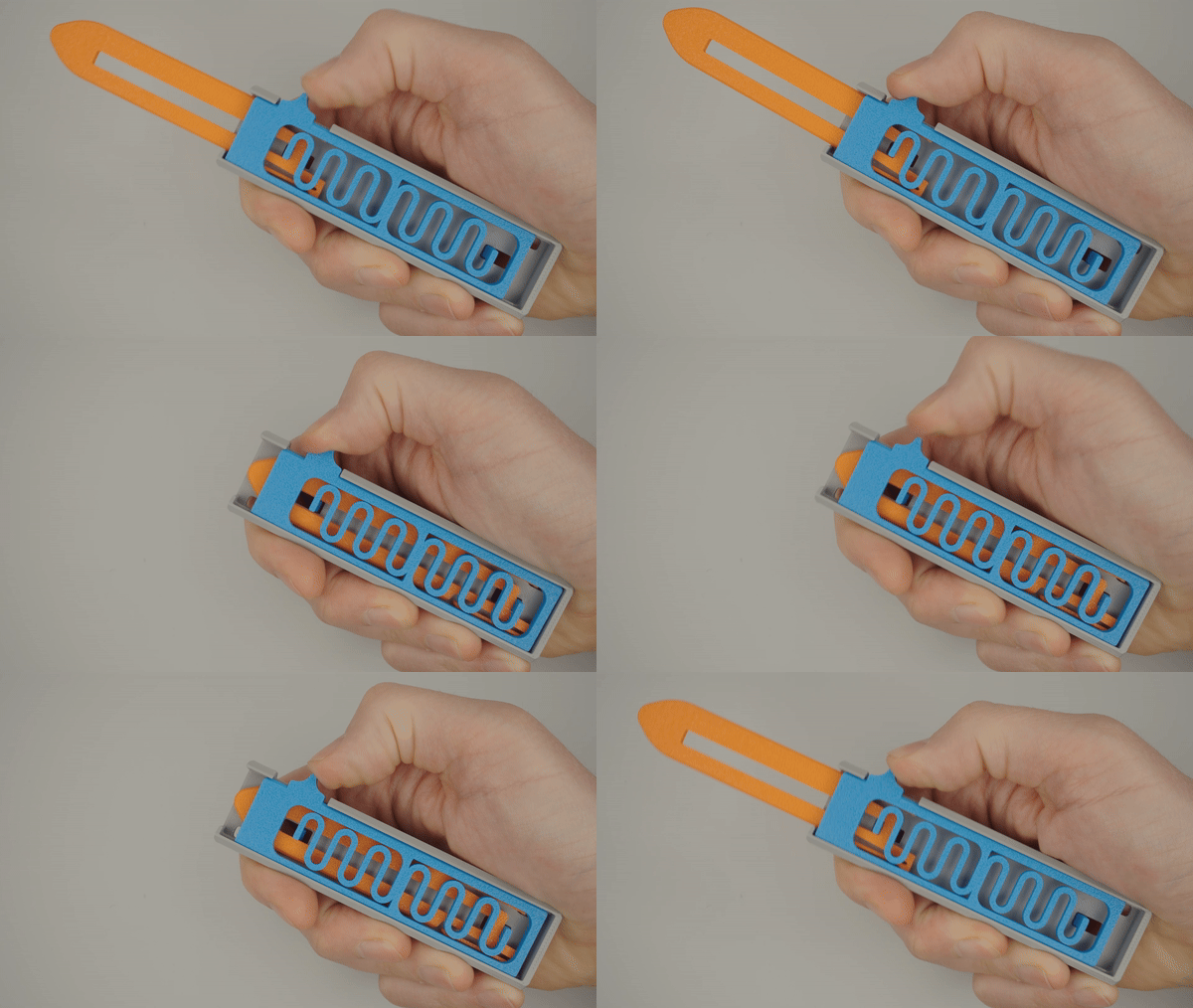
Kitchen sheaths form the largest group, usually drawn as slim two-part or folded covers for chef, bread and paring knives. Parametric versions let you set blade length, width and thickness in the source file, while fixed models are shaped around one profile. Utility and craft knife sheaths tend to be boxier, often with a strap slot or belt loop, and karambit or bowie designs follow curved blades that need a different internal channel. Flexible guards printed in soft material are a separate approach, bending around the edge instead of holding a rigid form.
Before printing, open the author's model page and read what is listed there: overall length and scale, number of parts and how they join, whether supports are needed, print orientation, wall thickness and the material and settings the author used. Photos of real prints show how the sheath sits on the blade and where the tolerances are tight. If your knife is not the one the model was drawn around, measure the blade and compare it with the stated dimensions before scaling in the slicer.
To widen the search, try synonyms such as scabbard, blade guard, blade cover or holster, and add the blade type: chef, bread, boning, utility, karambit, bowie. Combining a shape word with "parametric" or "custom" brings up files with editable dimensions, while "flexible" points to soft-material guards. Related topics worth checking are knife handles, cutting board accessories and cosplay weapon props, which often share the same mounting and strap details.




O catálogo completo de temas — de casa e utilidades a CNC, com busca em todos os sites conectados.