Grátis 
Transforming Pumpkin Spider
Thingiverse
This collection gathers spider-themed 3D models for 3D printing, from articulated flexi figures with moving joints to realistic species studies, busts and oversized decorative pieces. It is useful when you want a small fidget-friendly print or a larger display object and need to compare how each design is built. Polyzon does not confirm whether models are free, their price, license, official status, affiliation, safety or fitness. Check the current terms at the source.
O texto desta coleção está em inglês; a busca funciona em qualquer idioma.
 Uma coleção do Polyzon · 41 modelos de 4 sites
O Polyzon monta esta coleção a partir dos resultados de busca dos sites conectados. Repetições e modelos sem prévia são removidos, correspondências fracas vão para o final e o restante segue a ordem da busca. Os modelos pertencem aos seus autores — confira os termos na página de cada modelo.
Regras de seleção: equipe editorial do Polyzon · Texto atualizado em 15/10/2026
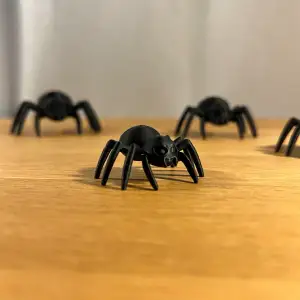


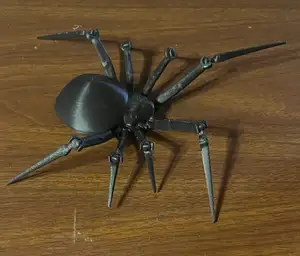
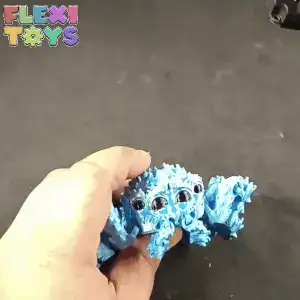

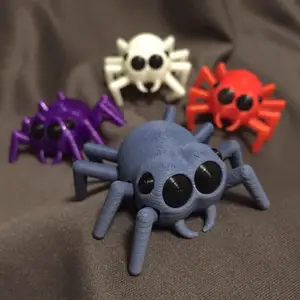
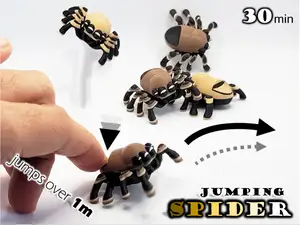
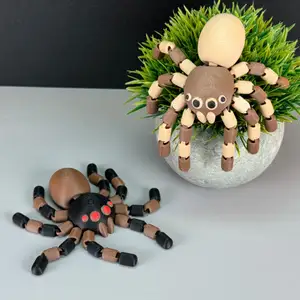


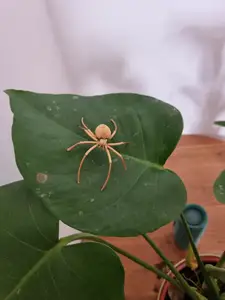
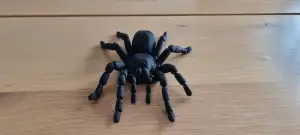


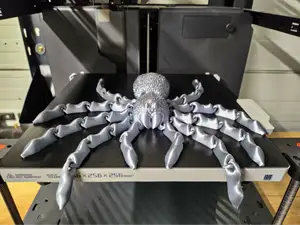
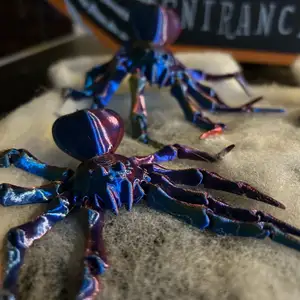


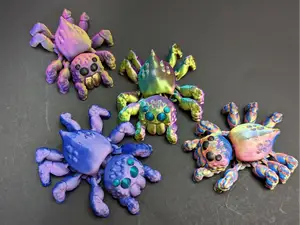
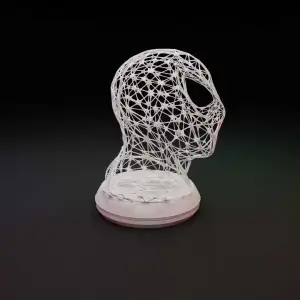

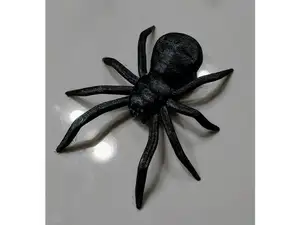
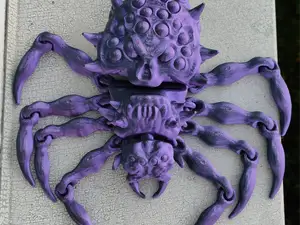

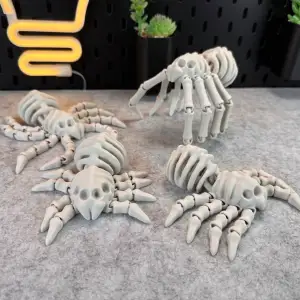

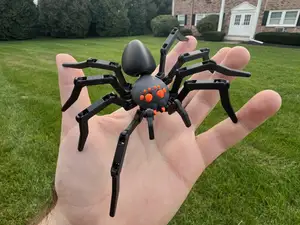
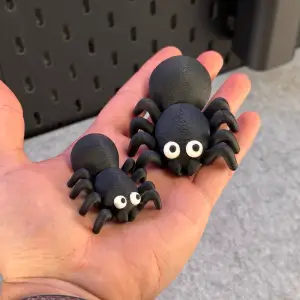
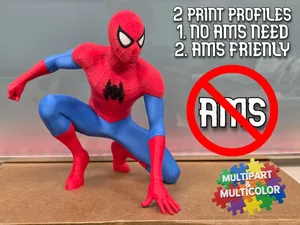
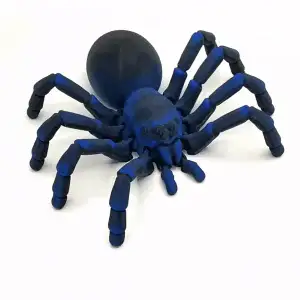

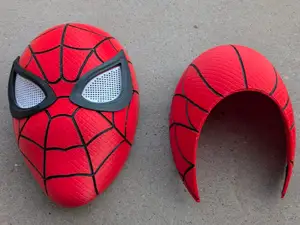
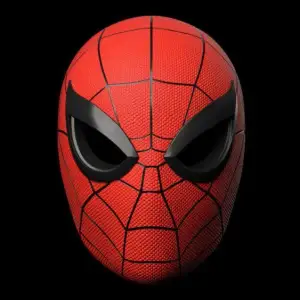

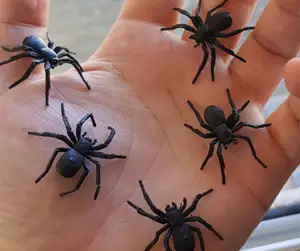
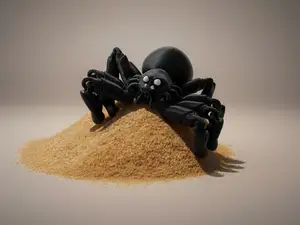
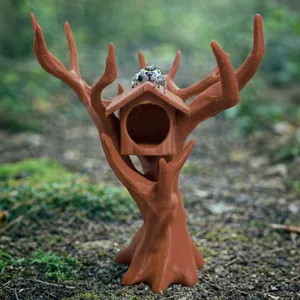
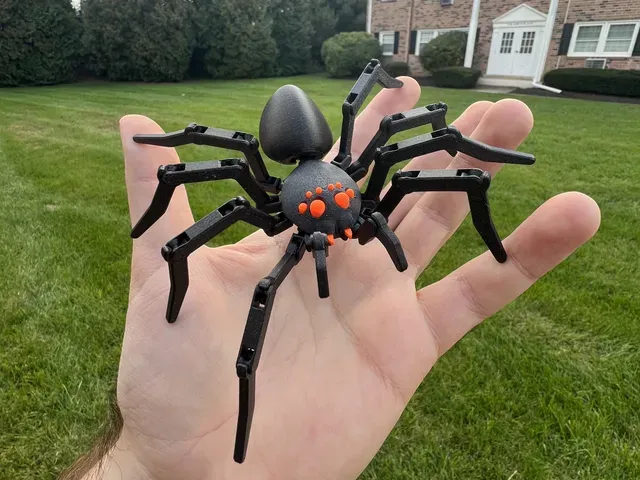
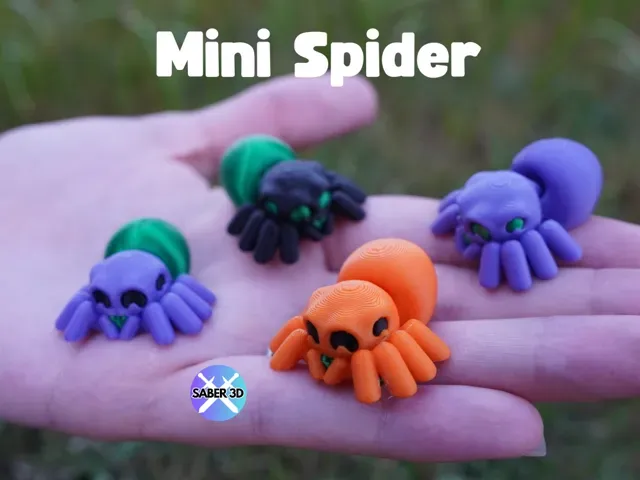
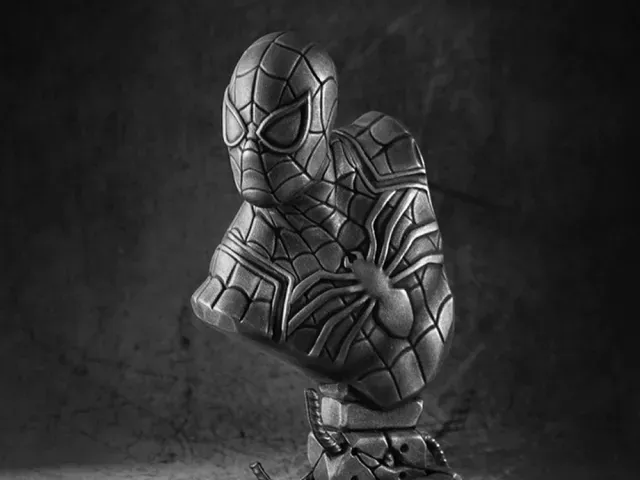
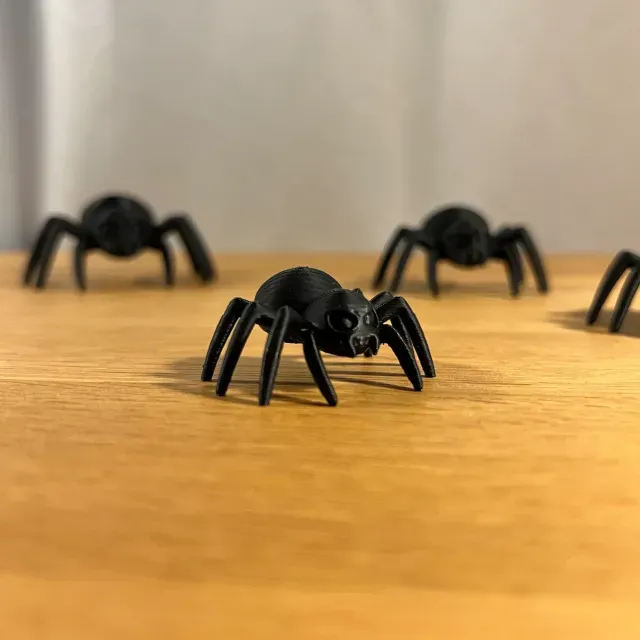
Articulated and flexi spiders are usually printed as a single piece with joints already in place, so the legs move after the print comes off the plate. Realistic species models tend to be more anatomical: separate legs, a defined body shape and sometimes a base. Busts and character heads sit at the other end of the scale, focusing on a sculpted head rather than a full body, while seasonal pieces are often scaled up and printed in vase mode for a hollow shell.
Before printing, look at the leg span and overall scale on the author's page, since a spider can look small in a render and still exceed a compact build plate. Check how many parts the file contains, whether the legs are separate or joined, and whether the author states that supports are needed. The material and settings listed by the author matter for flexible joints, and photos of real prints show how the joints and thin leg tips actually come out.
If the results feel narrow, try related terms: arachnid, tarantula, jumping spider, black widow, or the mechanical side with rover-style designs. Words like flexi, articulated and print-in-place describe how the model moves, while halloween, fidget or decor describe what it is used for. Combining a body type with a style word usually narrows the list faster than one broad term.


O catálogo completo de temas — de casa e utilidades a CNC, com busca em todos os sites conectados.