Grátis 
Vise
Thingiverse
This collection gathers playful 3D models that people print for fun rather than for a defined task. It covers flexible figures, fidget toys, print-in-place mechanisms and small novelty objects. Every entry leads to a source page, where you can open the STL files and read the author's notes before starting a 3D printer. Polyzon does not confirm whether models are free, their price, license, official status, affiliation, safety or fitness. Check the current terms at the source.
O texto desta coleção está em inglês; a busca funciona em qualquer idioma.
 Uma coleção do Polyzon · 47 modelos de 4 sites
O Polyzon monta esta coleção a partir dos resultados de busca dos sites conectados. Repetições e modelos sem prévia são removidos, correspondências fracas vão para o final e o restante segue a ordem da busca. Os modelos pertencem aos seus autores — confira os termos na página de cada modelo.
Regras de seleção: equipe editorial do Polyzon · Texto atualizado em 14/10/2026

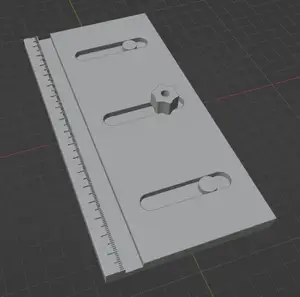
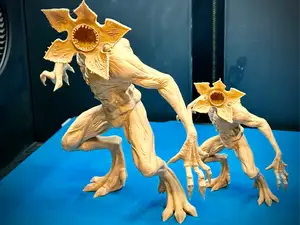
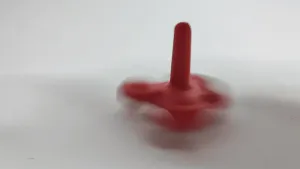

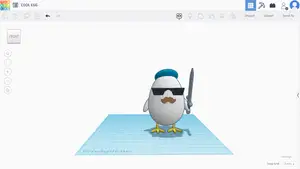



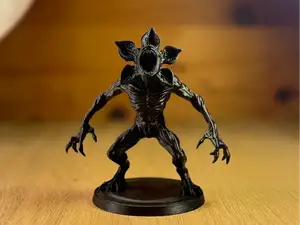
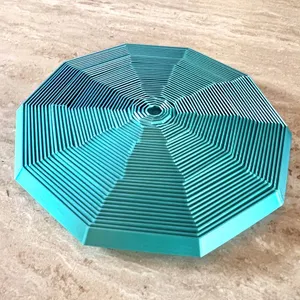

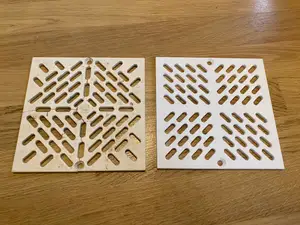

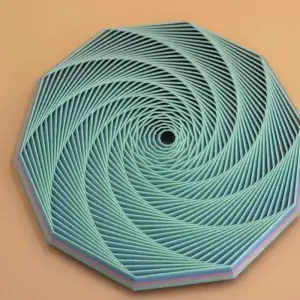


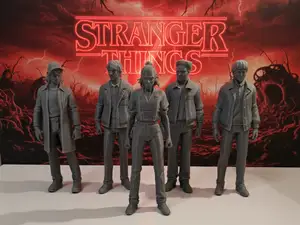
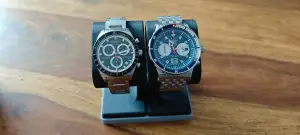

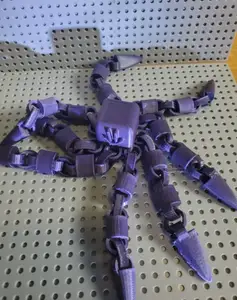
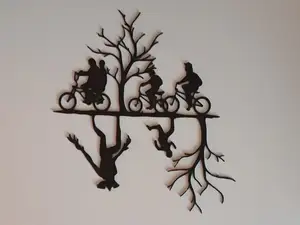
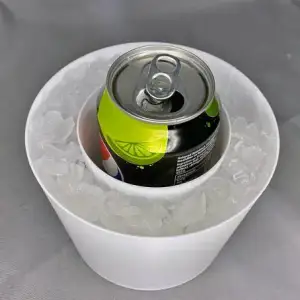

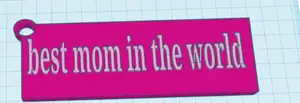
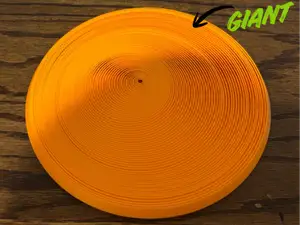
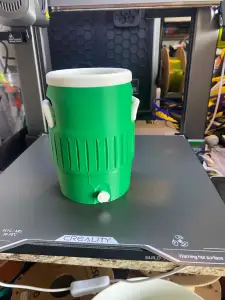

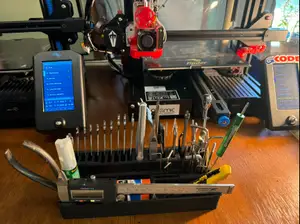
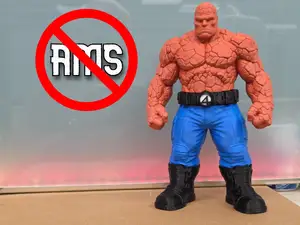
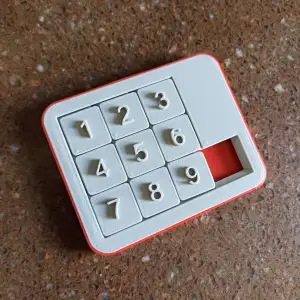


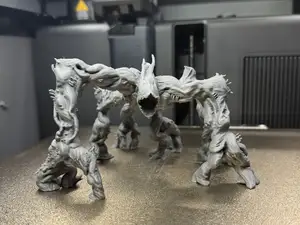
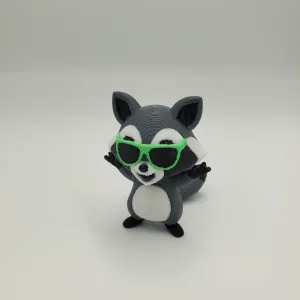
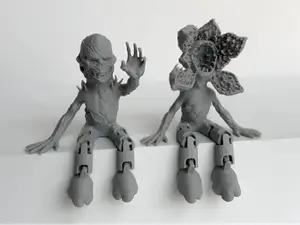
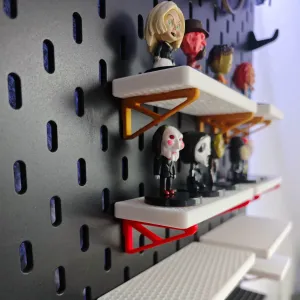


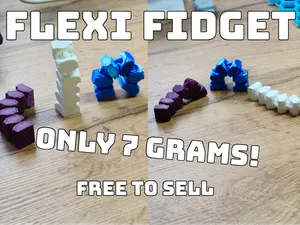
The range is wide. Flexible figures and keychains are built as one piece with thin joints, while fidget toys rely on moving parts that spin or click. Print-in-place mechanisms, such as small catapults or jigs, come out of the printer already assembled, and novelty desk items are usually simple static shapes with a practical twist. Character figures sit at the other end: they often have more separate parts and more detail.
When choosing, open the author's page and look at the listed dimensions and scale first, since a keychain and a display figure of the same subject print very differently. Check how many parts the model has and whether they are meant to be glued or snapped together. Look at whether supports are needed, which material and layer height the author used, and any photos of real prints, because renders hide thin walls and small gaps.
To narrow the results, try synonyms and related terms instead of one broad phrase: flexi, articulated, print-in-place, fidget, spinner, keychain, desk toy, novelty. Combining a subject with a format works well, for example a character name plus figure or keychain. Related topics such as miniatures, cosplay props or mechanical toys often surface models that a general search misses.
Fidget and flexi models are usually printed in a flexible filament, while static novelty objects and figures are commonly printed in PLA. Small joints and thin hinges benefit from a smaller nozzle and slower speeds, and it helps to test the scale on a small part before committing to a long print.


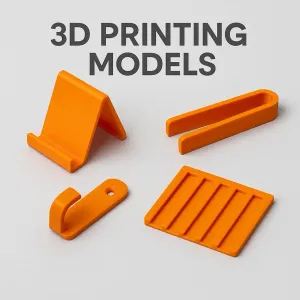

O catálogo completo de temas — de casa e utilidades a CNC, com busca em todos os sites conectados.