Grátis 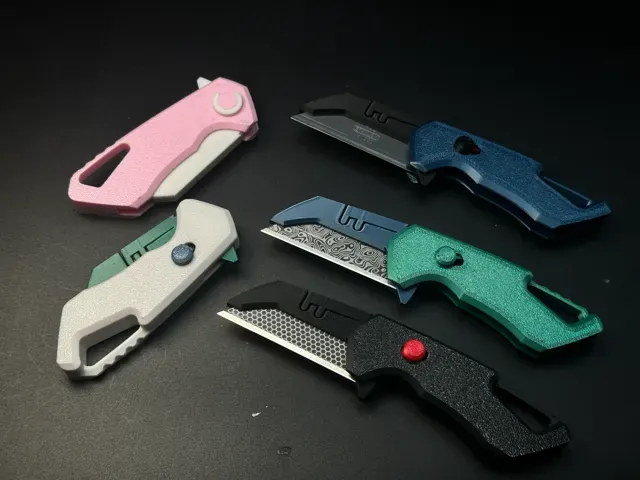
Tactical-Style Folding Knife with Locking Button
MakerWorld
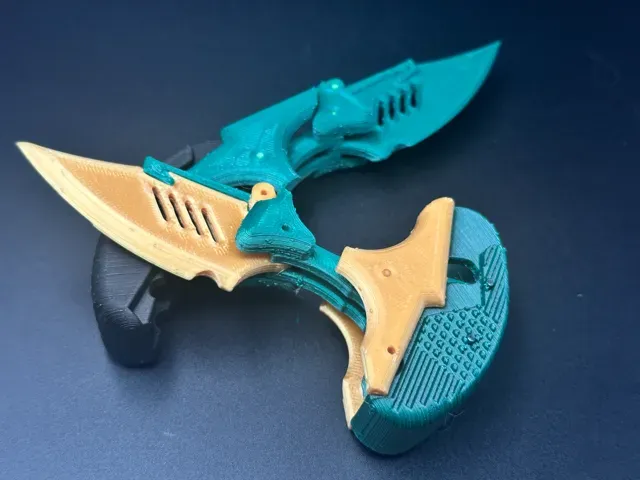
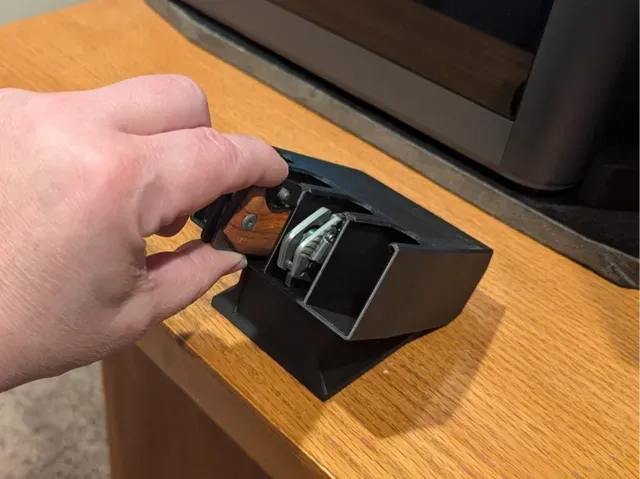
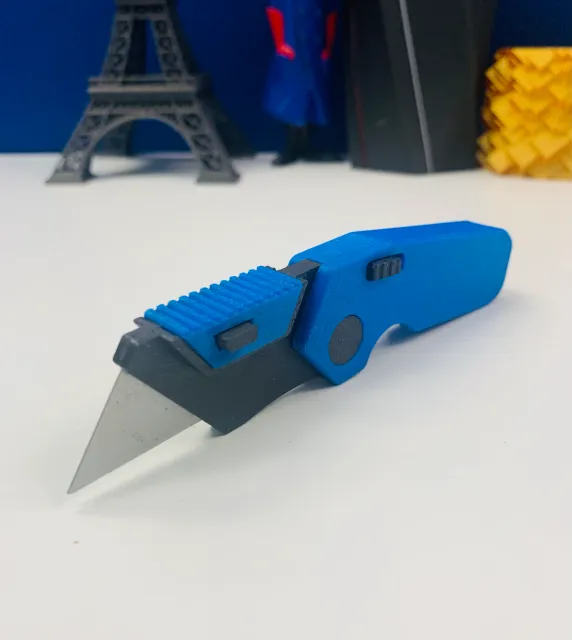
This collection gathers folding knife 3D models in several directions: pocket and everyday-carry shapes, utility knives for replaceable blades, multi-part assembly kits, blunted props and slim card designs. It is useful when you want a folding mechanism to print on a 3D printer and compare how different authors solve the pivot, the handle and the blade. The STL files come from several platforms, so the same idea often appears in more than one variant. Polyzon does not confirm whether models are free, their price, license, official status, affiliation, safety or fitness. Check the current terms at the source.
O texto desta coleção está em inglês; a busca funciona em qualquer idioma.
 Uma coleção do Polyzon · 48 modelos de 5 sites
O Polyzon monta esta coleção a partir dos resultados de busca dos sites conectados. Repetições e modelos sem prévia são removidos, correspondências fracas vão para o final e o restante segue a ordem da busca. Os modelos pertencem aos seus autores — confira os termos na página de cada modelo.
Regras de seleção: equipe editorial do Polyzon · Texto atualizado em 11/10/2026
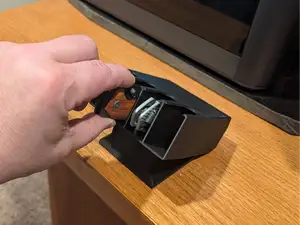
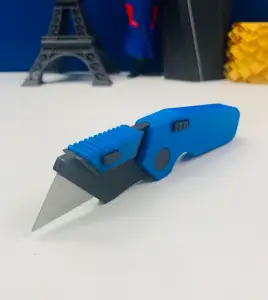

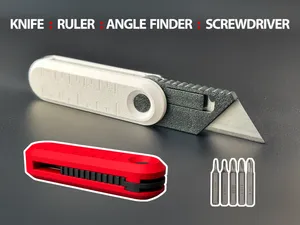
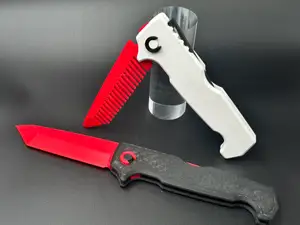


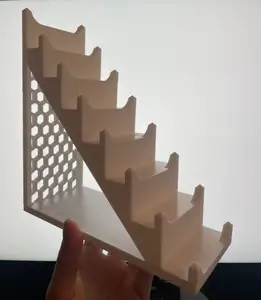
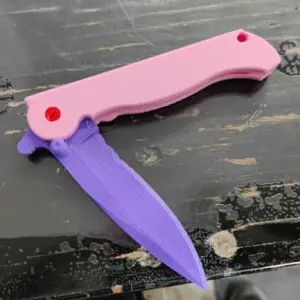
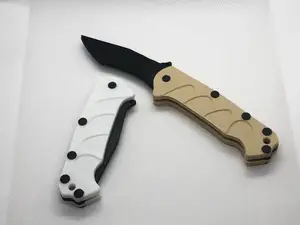


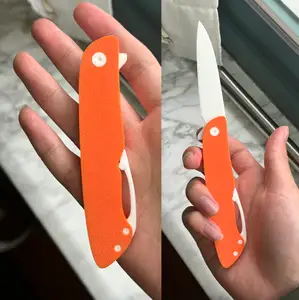

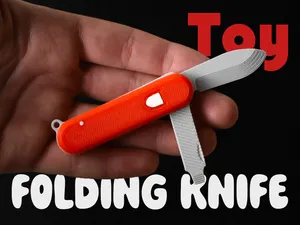
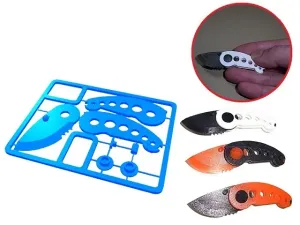


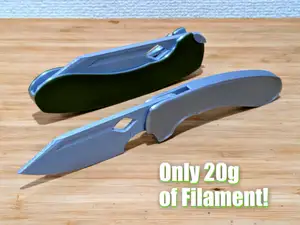


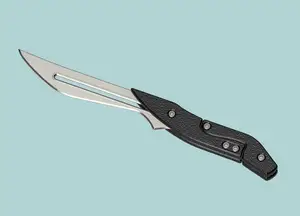


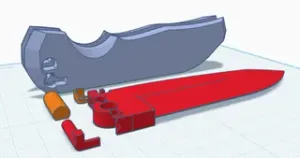
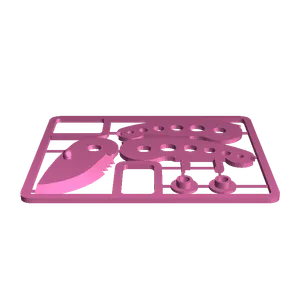

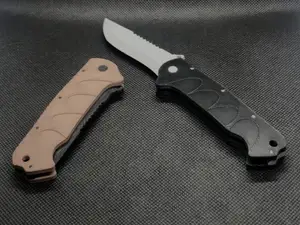




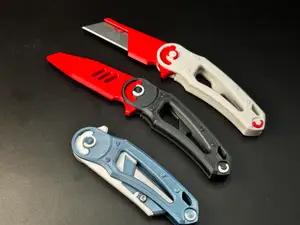
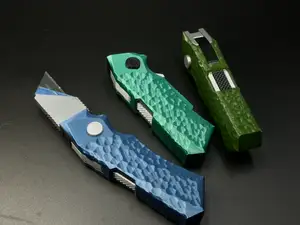
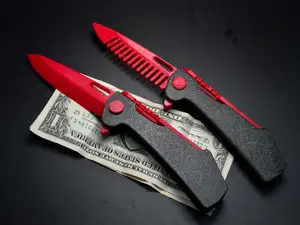
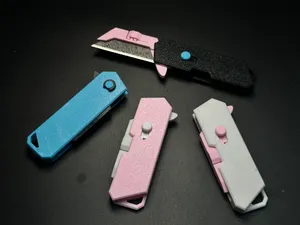
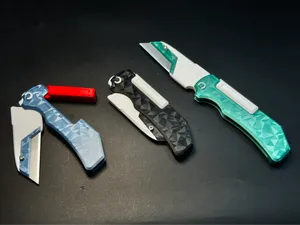
The models differ mostly in how the blade is made and how the knife is put together. Some are single-piece prints where the blade folds on a printed hinge, others are kits with separate blade, handle scales, pins and a lock or button. Utility designs are built around a standard replaceable blade, while blunted and prop versions keep the folding action but drop the cutting edge. Card knives and small novelty pieces trade strength for a thin profile that fits flat in a pocket.
Before printing, read the author's page for the details that decide the result: overall length and scale, the number of parts, whether supports are needed, and the material and settings the author lists. Check how the pivot is meant to be assembled, since a printed hinge usually needs clearance and sometimes a screw, pin or piece of filament. Look at photos of real prints to judge wall thickness on the handle and how the blade sits when folded.
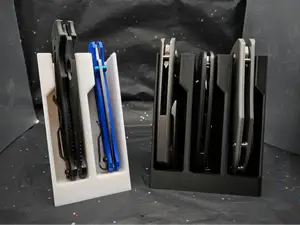
If the results are thin, try related wording: pocket knife, EDC knife, utility knife, trainer, prop, butterfly or balisong, and card knife. Adding terms like assembly kit, locking, sheath, stand or remix narrows the list toward a specific mechanism or accessory. Browsing neighbouring topics such as multi-tool prints, key organisers or wallet inserts also turns up folding designs filed under other names.



O catálogo completo de temas — de casa e utilidades a CNC, com busca em todos os sites conectados.