
Grátis 
3D-printable High torque servo/gear reduction
Creality Cloud
This collection gathers 3D models built around servo gears: gearboxes and reduction units, cycloidal and planetary drives, output arms, and rack-and-pinion linkages. Most files are meant for 3D printing in plastic and then fitting onto common hobby servos or small steppers. It is a useful starting point if you are adapting a mechanism and need a gear stage that matches your own shaft and torque needs. Polyzon does not confirm whether models are free, their price, license, official status, affiliation, safety or fitness. Check the current terms at the source.
O texto desta coleção está em inglês; a busca funciona em qualquer idioma.
 Uma coleção do Polyzon · 47 modelos de 6 sites
O Polyzon monta esta coleção a partir dos resultados de busca dos sites conectados. Repetições e modelos sem prévia são removidos, correspondências fracas vão para o final e o restante segue a ordem da busca. Os modelos pertencem aos seus autores — confira os termos na página de cada modelo.
Regras de seleção: equipe editorial do Polyzon · Texto atualizado em 12/10/2026



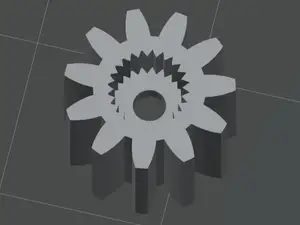
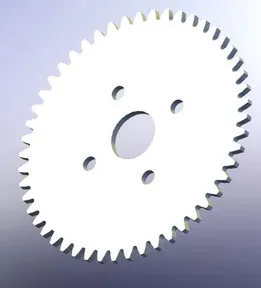

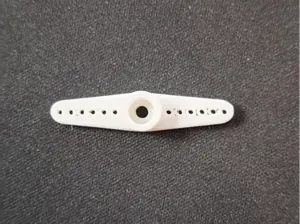
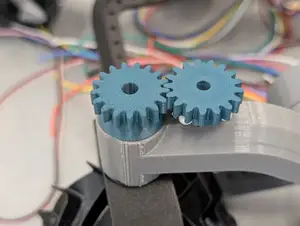
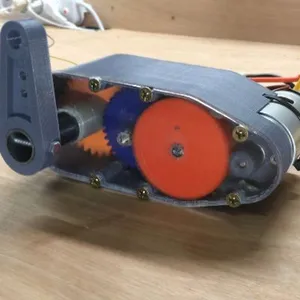

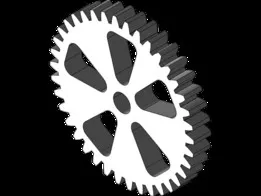
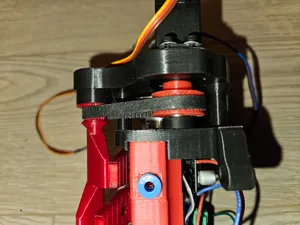

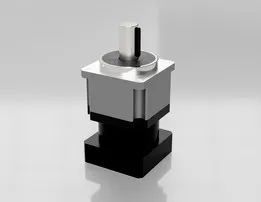


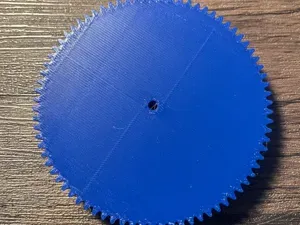
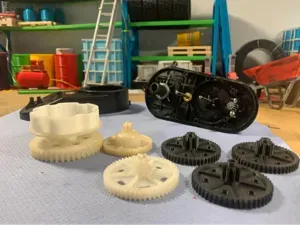

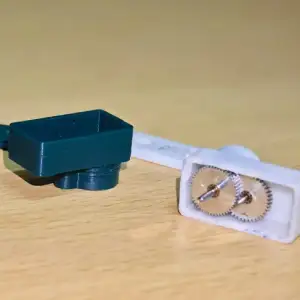
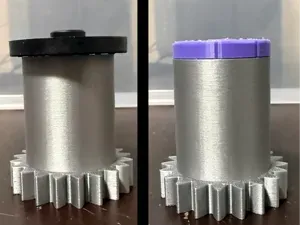



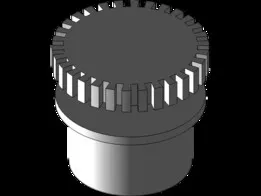

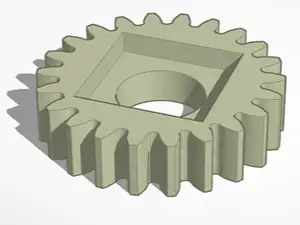
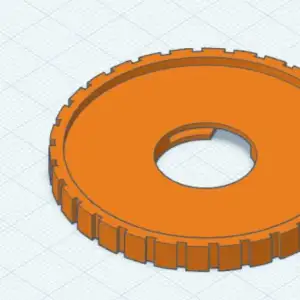
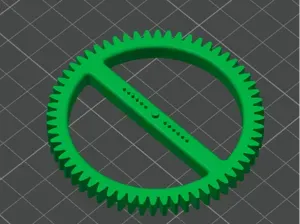
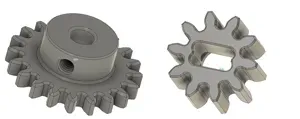


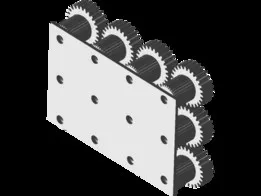


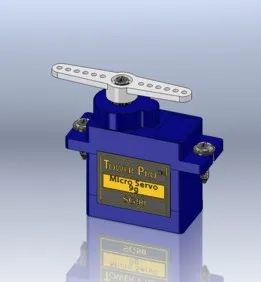
The models fall into a few practical groups. Reduction gearboxes and reductor housings take a servo output and trade speed for torque. Cycloidal and planetary sets do the same job with a different internal layout, usually with more parts and a larger footprint. Arms, horns and mounts are simpler: they attach to the splined output and carry a linkage. Rack-and-pinion and linear actuator designs convert rotation into straight movement, and small replacement gears are made for micro servos where the original tooth has stripped.
When choosing a file, read the author's page rather than the preview image. Check the stated servo size or spline count, the module and tooth count of the gears, the overall dimensions, and how many separate parts need to be printed and assembled. Look at whether the design expects screws, bearings, shafts or inserts, and which material and layer settings the author lists. Photos of actual prints show how the teeth came out and whether the parts fit together without rework.
If the results are thin, try related wording. Searches for servo reductor, gear reduction, planetary gearbox, cycloidal drive, actuator or servo horn often surface files that a single phrase misses. You can also search by the mechanism you are building, such as a rover, arm or scanner, since gears are frequently published as part of a larger project. Adding the servo size or a shaft diameter narrows the list further.


O catálogo completo de temas — de casa e utilidades a CNC, com busca em todos os sites conectados.