Grátis 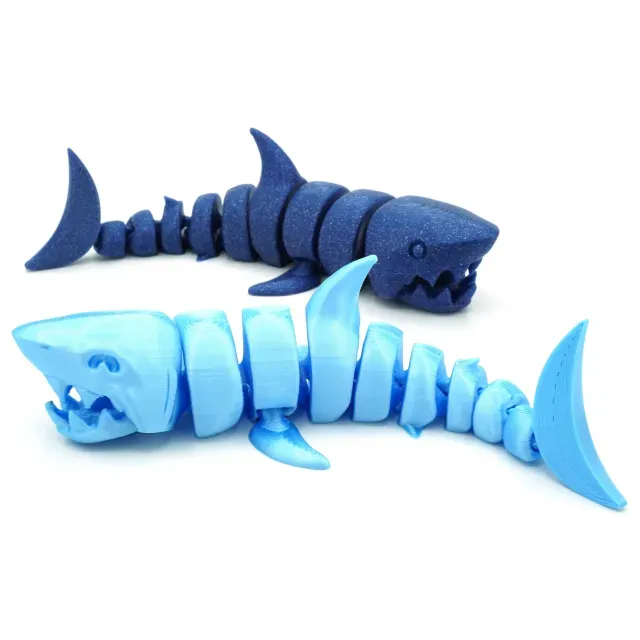
Articulated Shark
Creality Cloud
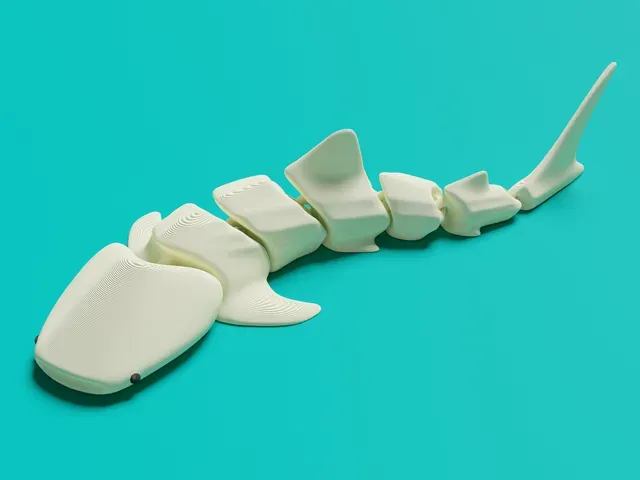
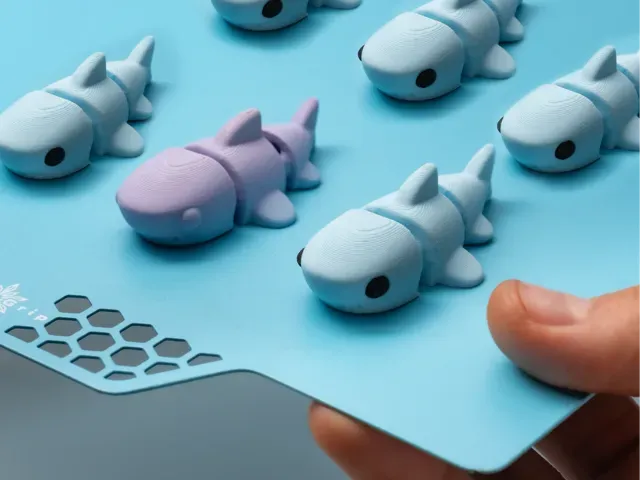
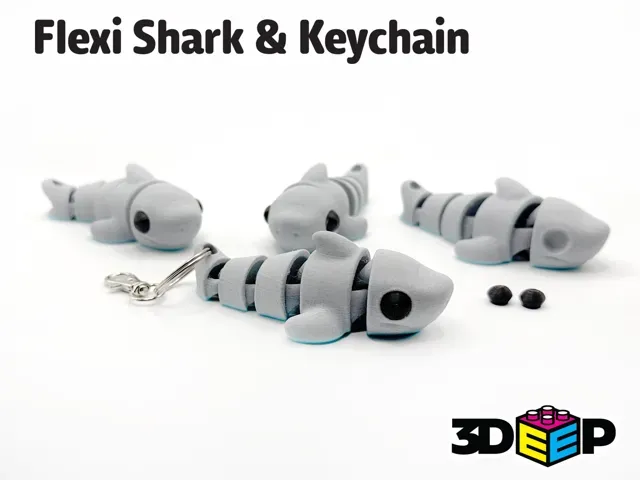
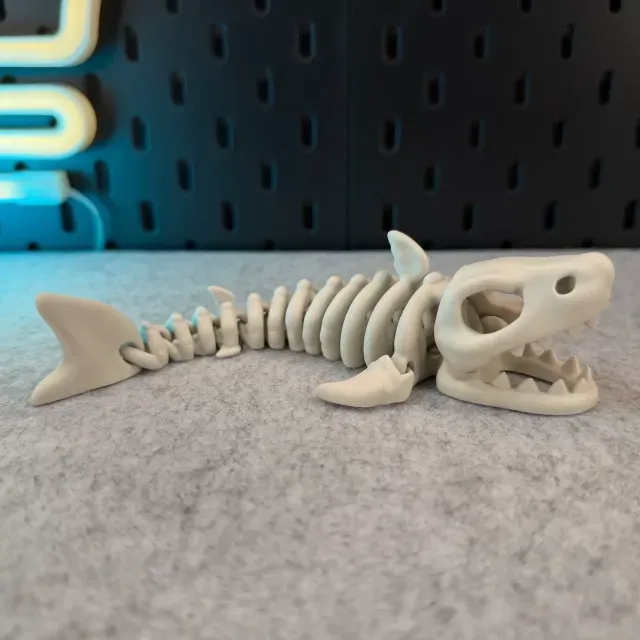
This collection gathers shark 3D models in several directions: articulated figures with moving joints, flexi print-in-place designs, mini versions, and species variants such as hammerhead and whale shark. It is useful when you want a single place to compare how these shapes are built before sending an STL to your 3D printer. The range goes from small fidget pieces to larger display models, so the choice depends mostly on scale and how much assembly you accept. Polyzon does not confirm whether models are free, their price, license, official status, affiliation, safety or fitness. Check the current terms at the source.
O texto desta coleção está em inglês; a busca funciona em qualquer idioma.
 Uma coleção do Polyzon · 48 modelos de 5 sites
O Polyzon monta esta coleção a partir dos resultados de busca dos sites conectados. Repetições e modelos sem prévia são removidos, correspondências fracas vão para o final e o restante segue a ordem da busca. Os modelos pertencem aos seus autores — confira os termos na página de cada modelo.
Regras de seleção: equipe editorial do Polyzon · Texto atualizado em 11/10/2026
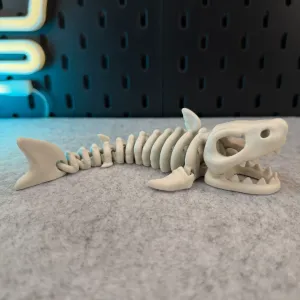


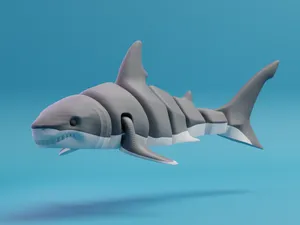


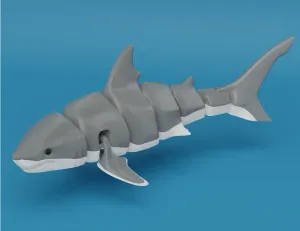
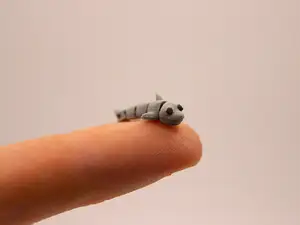

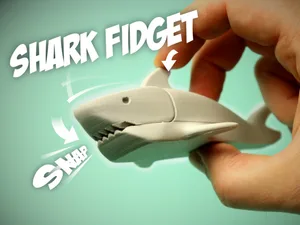

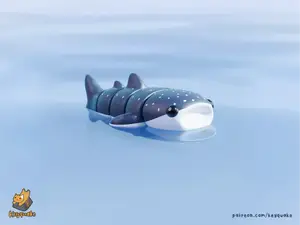


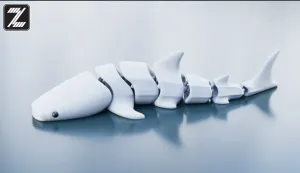
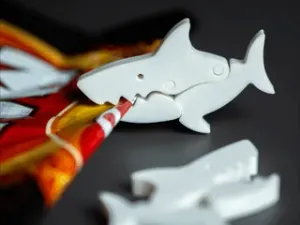
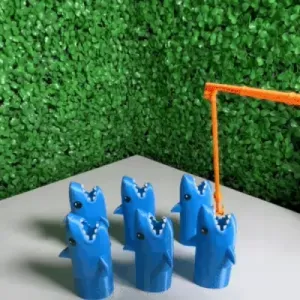


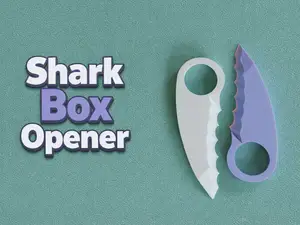
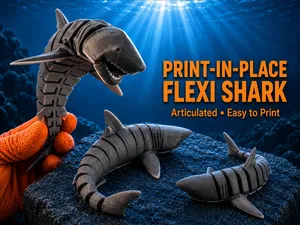
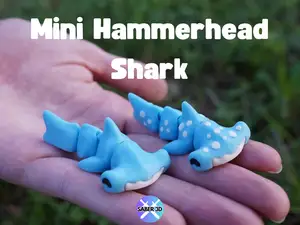


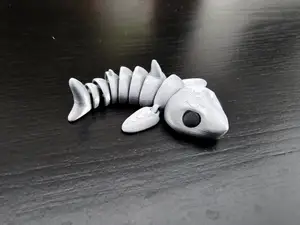
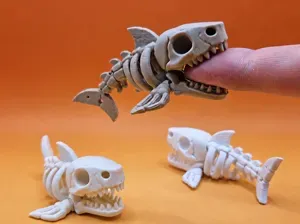


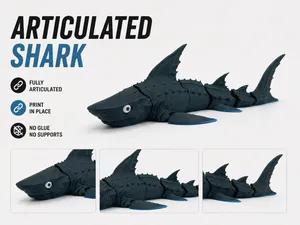
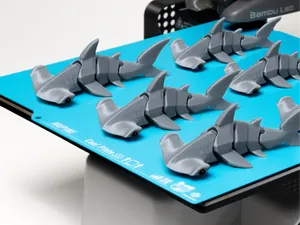

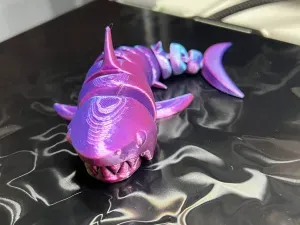

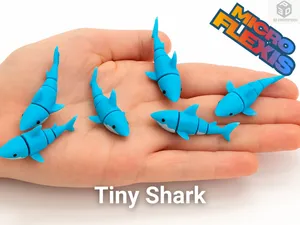
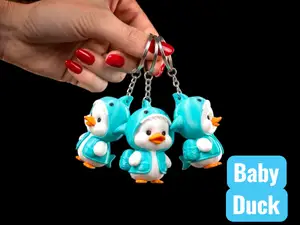
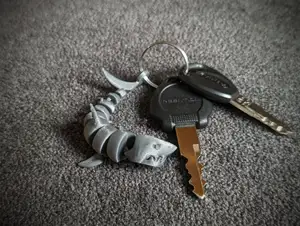

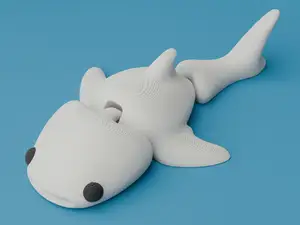
The models differ mainly in how movement is achieved. Articulated versions use separate links or ball joints, while flexi and print-in-place designs rely on thin integrated hinges that come off the build plate already moving. Species variants change the silhouette — a hammerhead has a wide flattened head, a whale shark is longer and rounder — and some files are stylized or skeleton-style rather than realistic. Small versions are often shaped as keychains, clips or fidget pieces with jaws that open and close.
On the author's model page, look at the overall size and scale first, since the same shark can be offered at very different lengths. Check how many parts are included and whether they are meant to be glued or snapped together, and read the notes on supports, orientation and joint clearance. The material and settings the author lists are a starting point, not a guarantee, so compare them with photos of real prints to judge how the hinges and thin fins actually come out.
To narrow the search, combine the animal name with the mechanism or format you want: articulated, flexi, print-in-place, keychain, fidget, skeleton or stylized. Species names work as separate queries, and related sea creatures such as whales, rays and other fish often appear in the same style. If a result is too large or too small, search for mini or large versions instead of resizing a print-in-place file, which can close the gaps between moving parts.




O catálogo completo de temas — de casa e utilidades a CNC, com busca em todos os sites conectados.