Grátis 
Horizontal Gear, Singer #155819
Thingiverse
This collection gathers 3D models built around horizontal gears: sewing-machine gears, gearboxes and reducers, helical gear pairs, and brackets or assemblies that use a gear drive. Most entries are small mechanical parts, so they are useful when you need a replacement or a starting point for your own mechanism. Each listing links to the author's page, where the dimensions and print notes for 3D printing are given. Polyzon does not confirm whether models are free, their price, license, official status, affiliation, safety or fitness. Check the current terms at the source.
O texto desta coleção está em inglês; a busca funciona em qualquer idioma.
 Uma coleção do Polyzon · 47 modelos de 4 sites
O Polyzon monta esta coleção a partir dos resultados de busca dos sites conectados. Repetições e modelos sem prévia são removidos, correspondências fracas vão para o final e o restante segue a ordem da busca. Os modelos pertencem aos seus autores — confira os termos na página de cada modelo.
Regras de seleção: equipe editorial do Polyzon · Texto atualizado em 14/10/2026


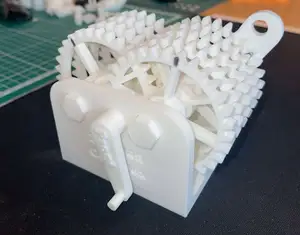
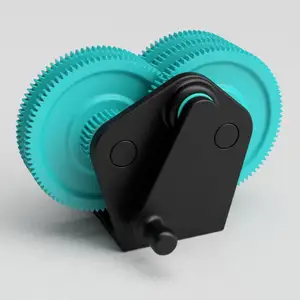

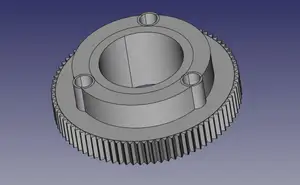
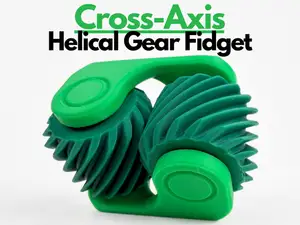
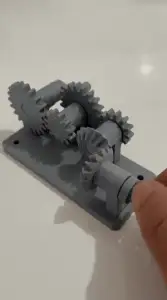

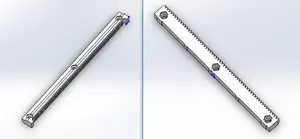
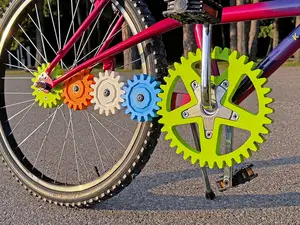
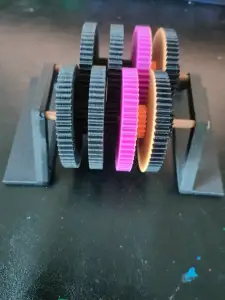

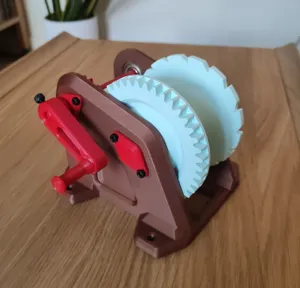
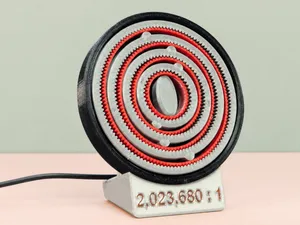
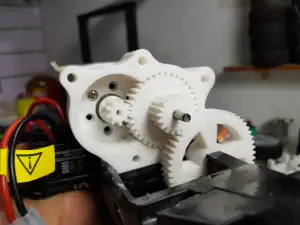

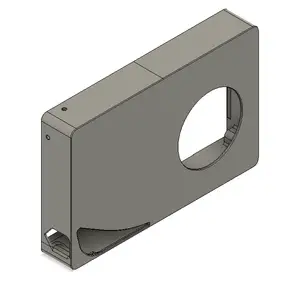
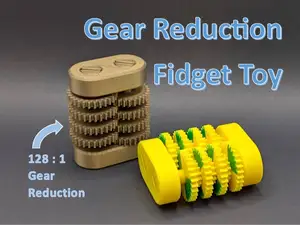
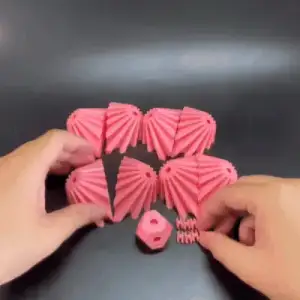

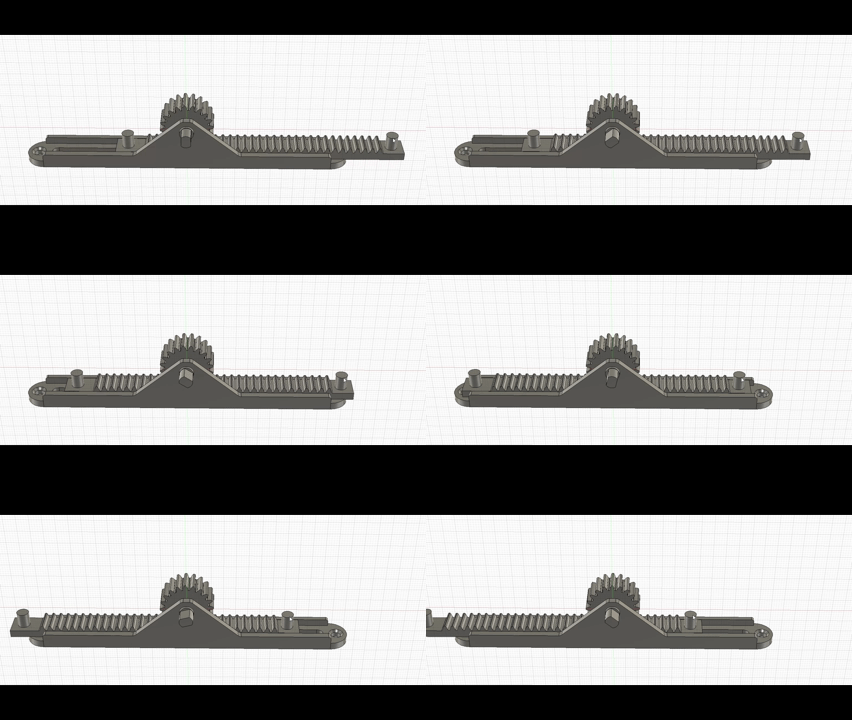
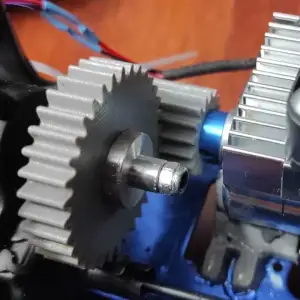

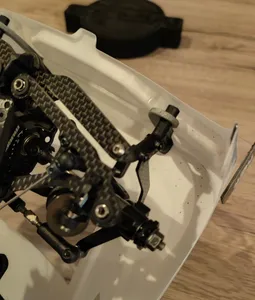
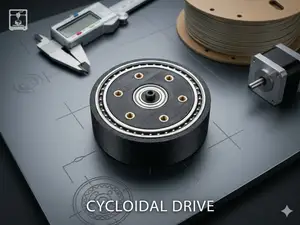
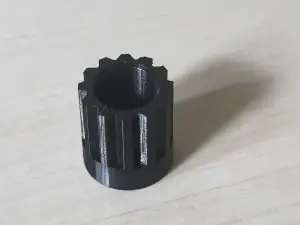

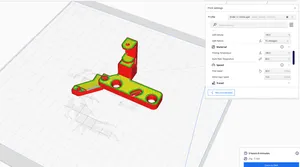
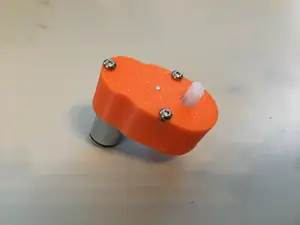
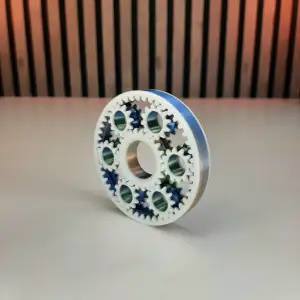


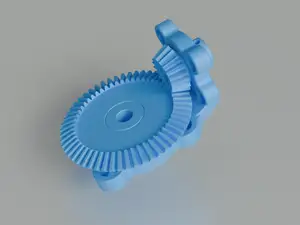
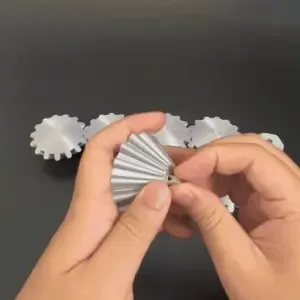

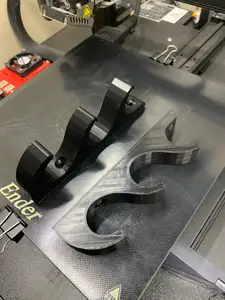
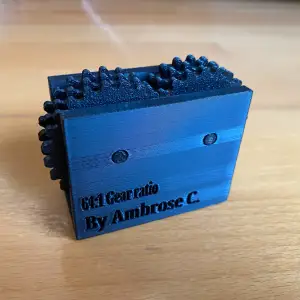

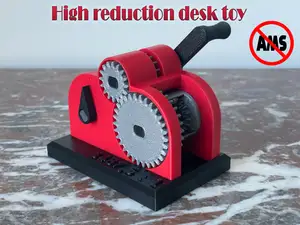
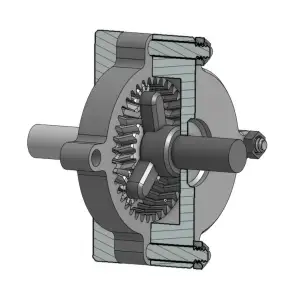

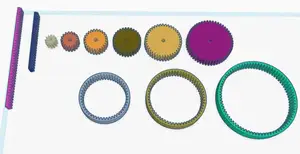
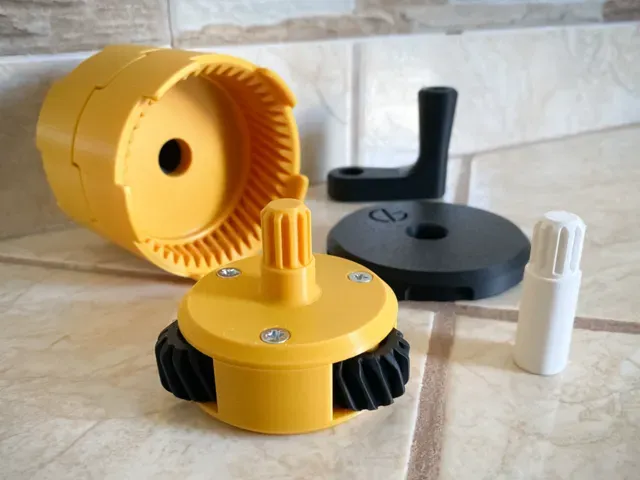
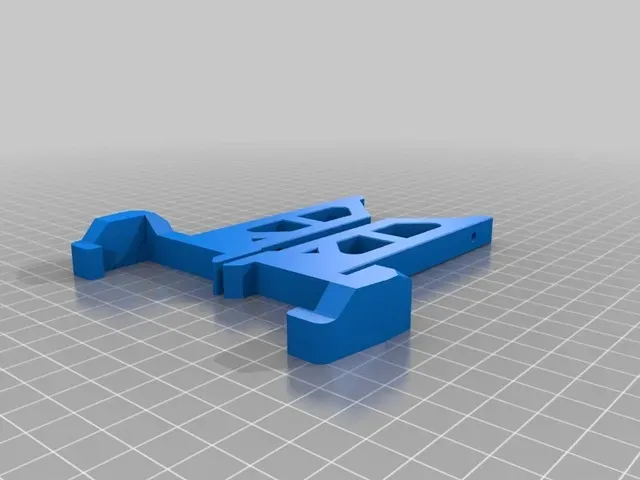
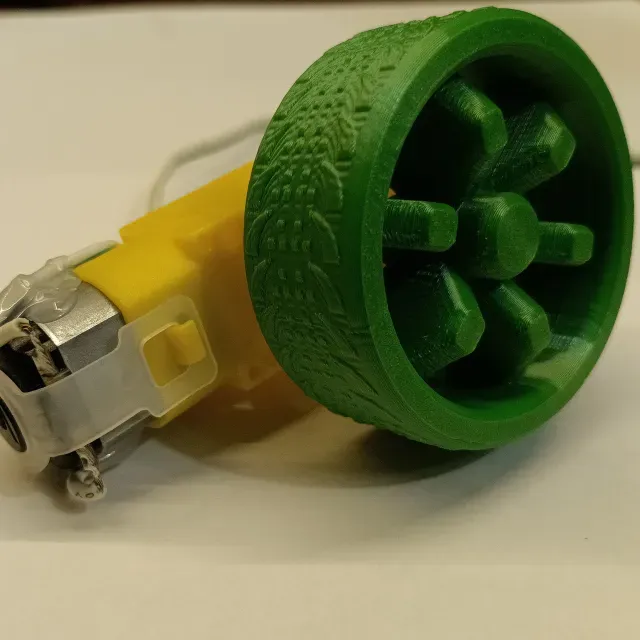
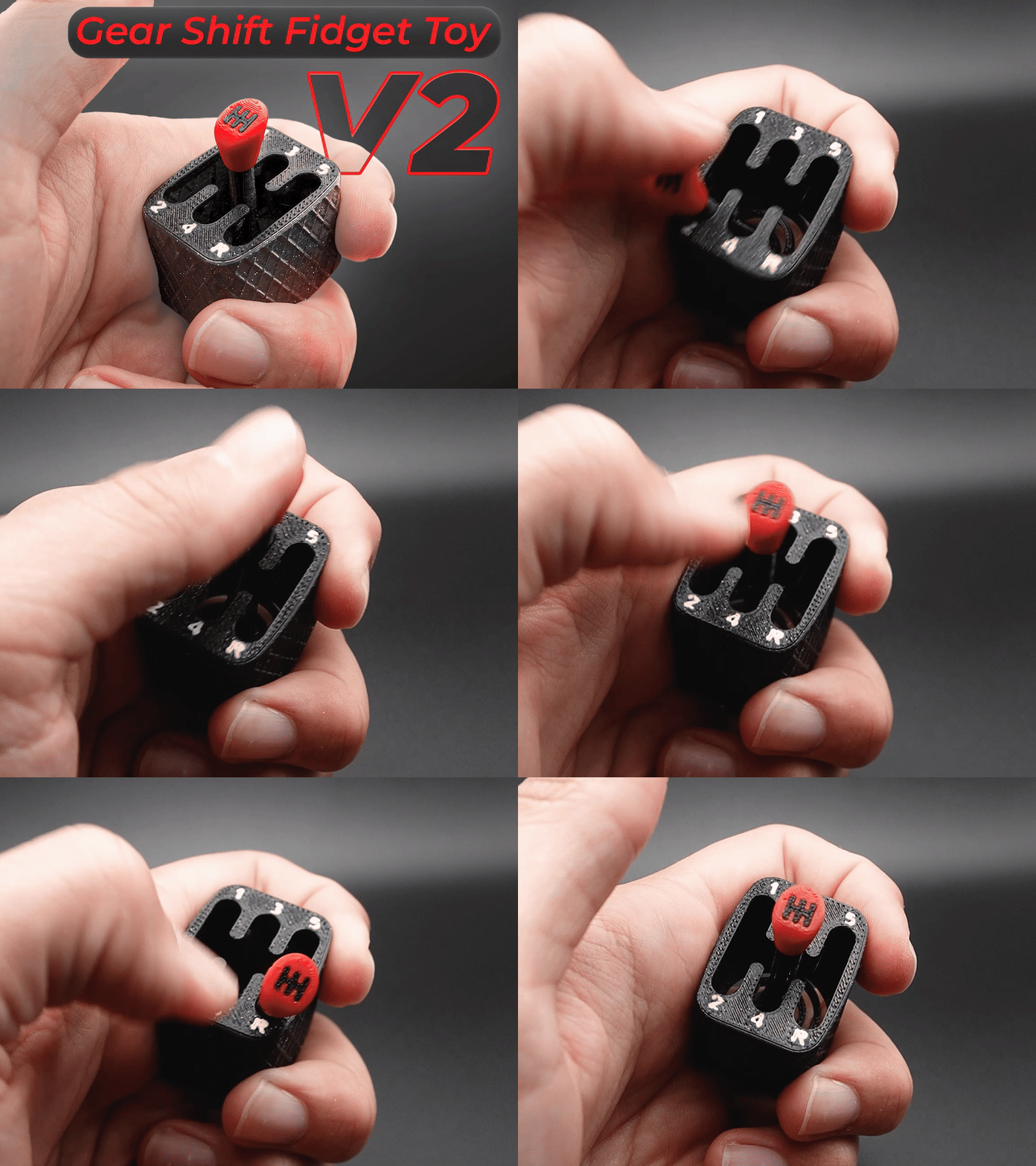
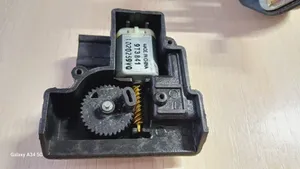
The models fall into a few groups. Sewing-machine gears are usually flat wheels with a central bore and a specific tooth count, made to sit on a horizontal shaft. Gearboxes and reducers appear as multi-part sets with a stated ratio, from simple two-gear reductions to nested planetary or strain-wave designs. Helical gears and gear-pair fidgets use angled teeth and are often printed as a single moving piece, while brackets, winches and tracker mounts show how a gear drive is fixed in place.
Before printing, read the author's page rather than judging by the preview image. Check the tooth count, module or pitch, bore diameter, overall diameter and thickness, and compare them with the part you are replacing or the shaft you have. Look at the number of parts and how they assemble, whether the model needs supports, and which material and settings the author lists. Photos of real prints are the most useful signal of how the teeth come out at a given nozzle size.
If a search returns little, widen the wording. Try spur gear, pinion, reducer, planetary, worm gear, rack, or the ratio you need, and add the machine or device the part belongs to. Related topics such as printer parts, RC mechanisms, robotics and workshop jigs often contain gear-driven parts filed under other names. Combining a gear term with a mounting or shaft term usually narrows the results faster than a single word.

O catálogo completo de temas — de casa e utilidades a CNC, com busca em todos os sites conectados.