Grátis 
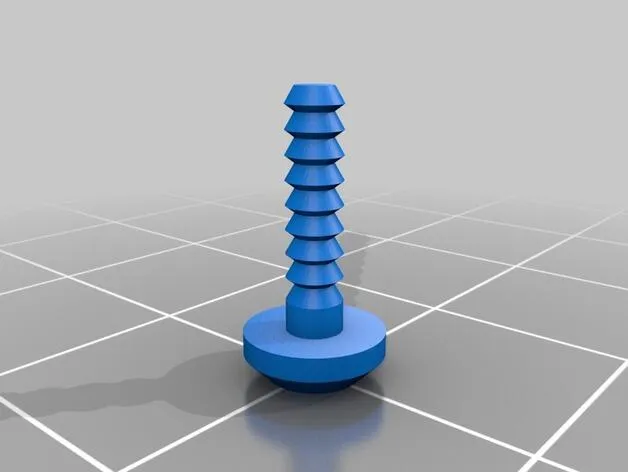
Кнопка для пяточного ремня Crocs - Заклепка - Штырь - Клипса - Коннектор
Cults3D
This collection gathers 3D models of rivets and rivet-like fasteners, from automotive trim clips to threaded inserts and small decorative studs. It is useful when a plastic fastener has broken and you want to print a new one instead of hunting for a spare. Most files are plain STL meshes, so the result depends on your 3D printer, material and the dimensions you choose. Polyzon does not confirm whether models are free, their price, license, official status, affiliation, safety or fitness. Check the current terms at the source.
O texto desta coleção está em inglês; a busca funciona em qualquer idioma.
 Uma coleção do Polyzon · 48 modelos de 7 sites
O Polyzon monta esta coleção a partir dos resultados de busca dos sites conectados. Repetições e modelos sem prévia são removidos, correspondências fracas vão para o final e o restante segue a ordem da busca. Os modelos pertencem aos seus autores — confira os termos na página de cada modelo.
Regras de seleção: equipe editorial do Polyzon · Texto atualizado em 11/10/2026


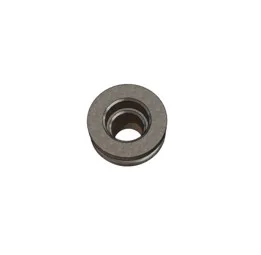


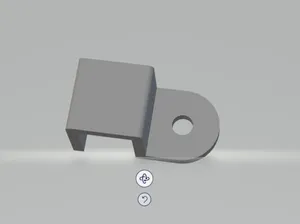
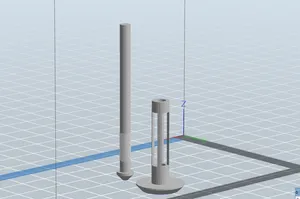


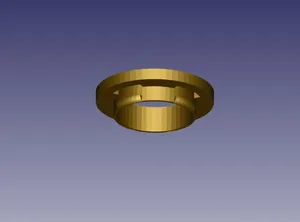
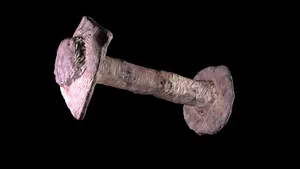


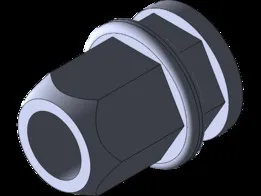




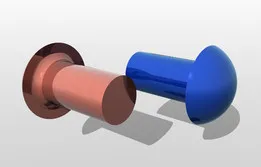


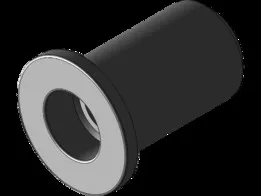


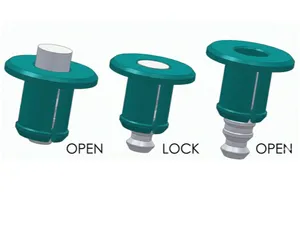
The models fall into a few groups. Automotive items cover blind rivets and push-in clips that hold trim panels, underbody covers and bumpers, often with a ribbed shaft and a wide head. Threaded versions, sometimes called rivnuts or rivet inserts, have an internal thread so a machine screw can be driven in. A third group is decorative: small rivet heads and studs used on scale models, prop armour and miniature vehicles, where the shape matters more than the load.
When choosing a file, look at the dimensions the author lists: head diameter and height, shaft length, hole size and thread pitch for threaded versions. Check how many parts the model has and whether it is meant to be printed as one piece or assembled. On the model page, read the material and settings the author mentions, since small rivets behave differently in PLA, PETG or a flexible filament, and thin stems may need slower speeds or a smaller nozzle. Photos of real prints help you judge how the head and shaft come out.
To widen the search, try the terms used by different authors: rivet, blind rivet, push rivet, trim clip, snap fastener, rivnut and threaded insert. Adding a context word narrows the list quickly, for example automotive, bumper, underbody, dishwasher, cable or scale model. If you need a specific size, search by the screw thread or by the hole diameter, and check related topics such as clips, grommets, spacers and panel fasteners.



O catálogo completo de temas — de casa e utilidades a CNC, com busca em todos os sites conectados.