Ücretsiz 
E3D chimera adapter for Ultimaker 2
Thingiverse
This collection covers 3D-printed adapters — parts that join two components which were not designed to meet. It includes thread and hose reducers, rack and panel mounts, filament feed adapters and battery holders, offered as STL files for a 3D printer. Because the topic is wide, the practical step is to compare the connection on your own part with the geometry shown by the author. Polyzon does not confirm whether models are free, their price, license, official status, affiliation, safety or fitness. Check the current terms at the source.
Bu koleksiyonun metni İngilizce; arama ise her dilde çalışır.
 Bir Polyzon koleksiyonu · 48 model 4 siteden
Polyzon bu koleksiyonu bağlı sitelerdeki arama sonuçlarından oluşturur. Tekrarlar ve önizlemesi olmayan modeller çıkarılır, zayıf eşleşmeler sona alınır, geri kalanlar arama sırasını korur. Modeller yazarlarına aittir; her modelin sayfasındaki koşulları kontrol edin.
Seçim kuralları: Polyzon editör ekibi · Metin güncellendi: 10.10.2026


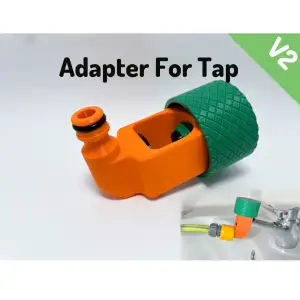


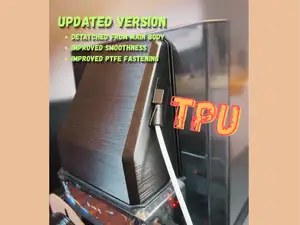
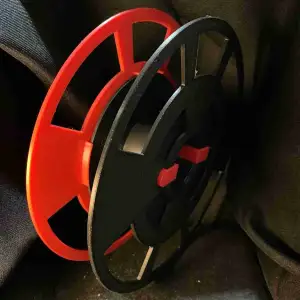


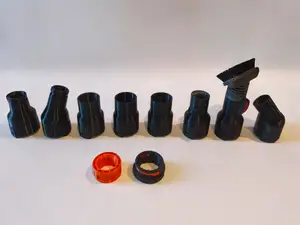
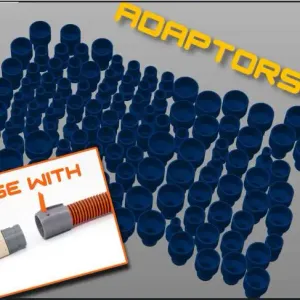

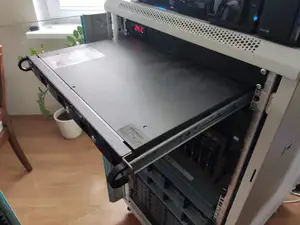
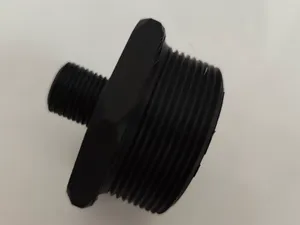
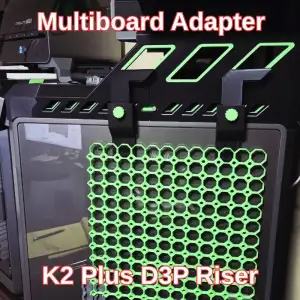

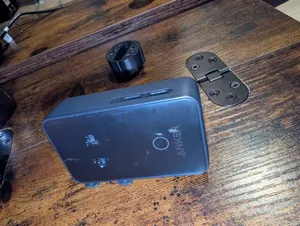
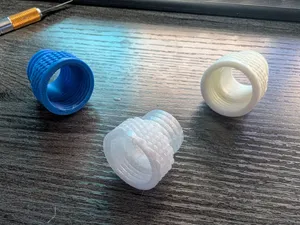
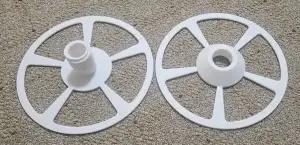

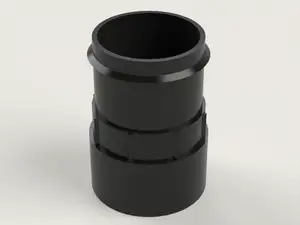
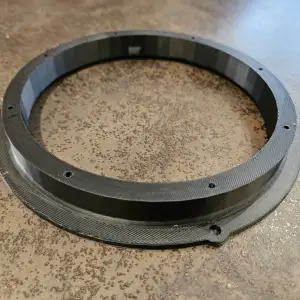

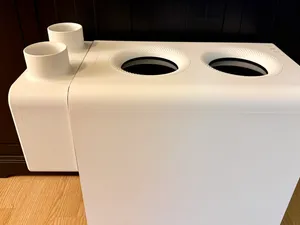


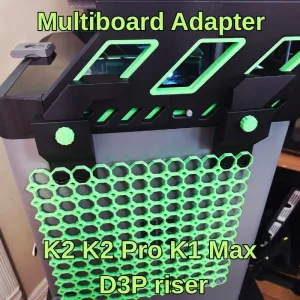

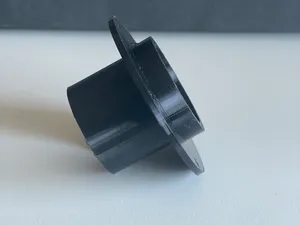
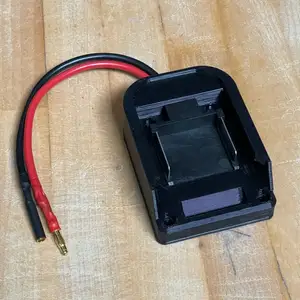

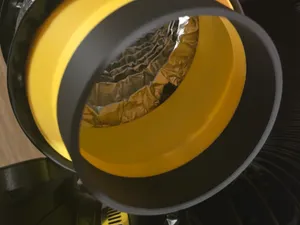
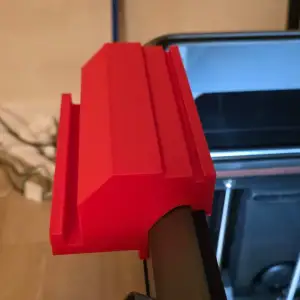

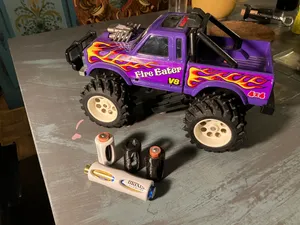
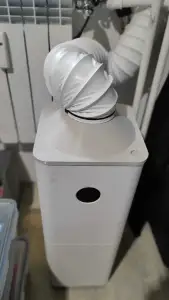

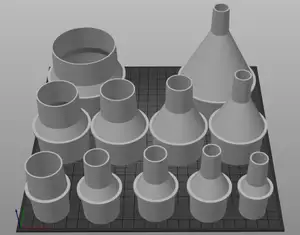

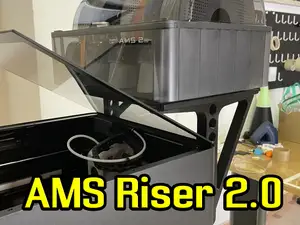
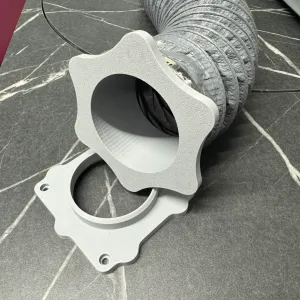
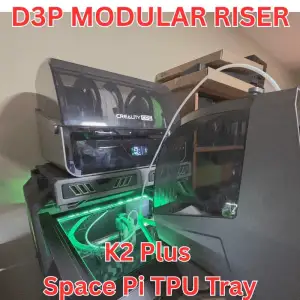
Adapters differ mainly by the joint they create. Thread and hose reducers translate one diameter or thread standard into another; rack and panel mounts fix a device into a rail, tray or opening; filament feed adapters guide a strand from a spool into a printer; battery holders reshape a cell format into a different contact layout. Some are single pieces, others are assemblies with screws, inserts or sliding parts, which changes both the print and the fitting work.
When choosing a model, read the dimensions rather than the pictures alone: nominal diameter, thread pitch, wall thickness and the length of the engagement. Check how many parts are involved, whether supports are needed for overhangs, and which material and settings the author lists. For anything under load, in contact with heat or with a liquid, look at photos of real prints and at notes about orientation, since layer direction affects how a printed adapter behaves.
Search results improve when you name the joint instead of the object. Try terms such as thread reducer, hose barb, camlock, rack mount, panel mount, spool holder adapter or battery holder, and add the size or standard you measured. Related topics like brackets, spacers, bushings, couplers and modular trays often lead to the same kind of part under a different name.




Ev ve günlük yaşamdan CNC'ye kadar tüm konuların kataloğu; bağlı sitelerin hepsinde arama yapabilirsiniz.